
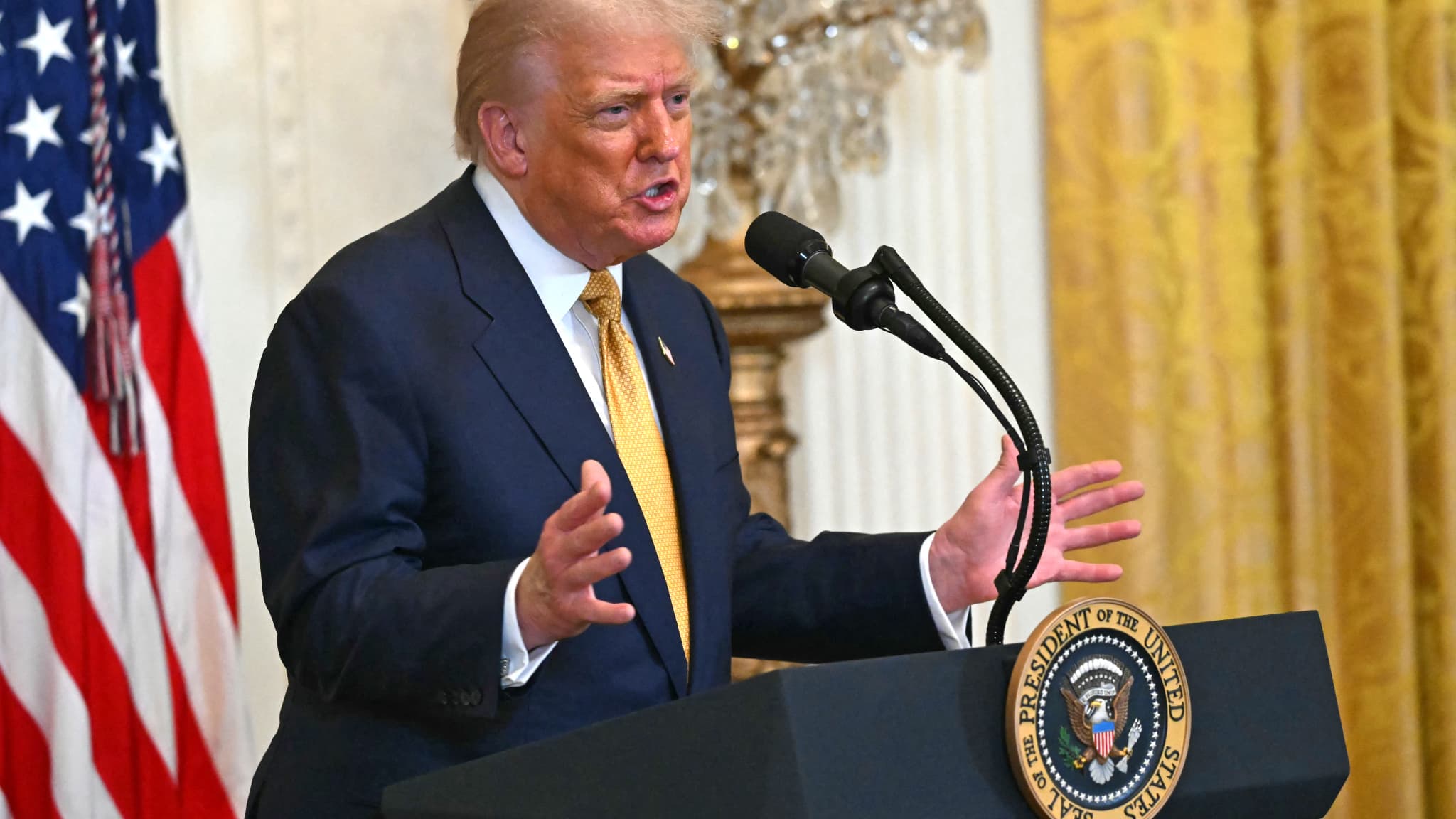
The proposal, initially unveiled during the Republican Party convention, has met immediate resistance from Democratic leadership. House Minority Leader Hakeem Jeffries dismissed the plan as an unserious political maneuver, while Senator Mallory McMorrow questioned the basic economic feasibility of such a broad federal payout. Even within his own party, the path forward remains murky; House Speaker Mike Johnson emphasized the legislative hurdles ahead, noting that any such initiative requires formal congressional approval and a complex restructuring of federal funding.
Beyond the political wrangling, advocacy groups are framing the promise as a challenge to electoral integrity. Lisa Gilbert, co-president of a prominent consumer watchdog, labeled the announcement a transparent attempt to leverage financial incentives to influence voter behavior. She argued that conditioning public funds on specific partisan outcomes undermines democratic principles, regardless of the fiscal arguments presented by the Trump campaign.



Comments (0)
No comments yet. Be the first!