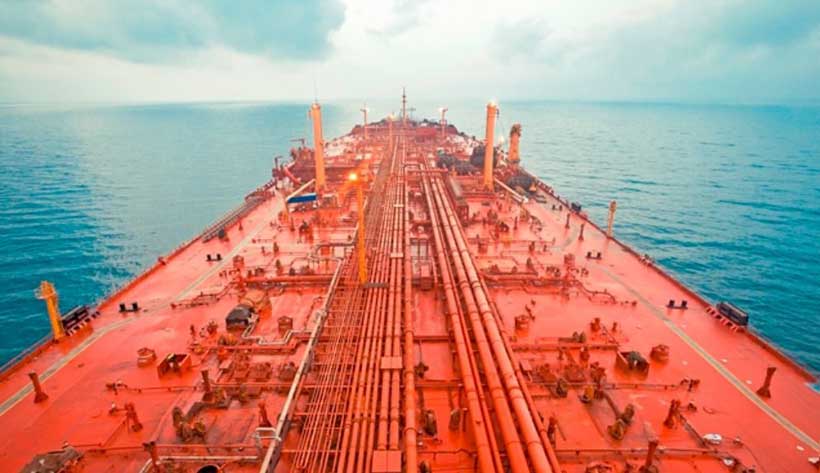
The US Navy’s recent strikes on an Iranian oil tanker at Kharg Island mark a fundamental shift in strategy. Washington is moving beyond paper-based penalties toward the physical interdiction of the supply chain feeding China’s independent "teapot" refineries. These private operators in Shandong province account for roughly 25% of China’s refining capacity, relying on deep discounts from sanctioned Iranian, Russian, and Venezuelan crude to remain competitive against state-owned giants.
Beijing has successfully countered financial pressure for years. In May, the Ministry of Commerce invoked "Blocking Rules" to shield sanctioned refiners, ordering domestic banks to disregard US mandates. However, military action creates a different reality. A government decree can compel a bank to process a transaction, but it cannot force an insurer to underwrite a hull entering a combat zone. This vulnerability is compounded by the fact that China’s strategic reserves, which provided a cushion during previous sanctions, have thinned significantly throughout 2026.
If the US expands its campaign to target any vessel attempting to load at Kharg Island, analysts project that Iranian-origin flows to China could plummet by up to 90% within two months. This would force significant production cuts across the teapot sector. While a diplomatic de-escalation or the emergence of a Chinese-backed state insurance scheme could theoretically stabilize the trade, the current trend suggests a breaking point. Market observers are now looking to Kharg Island’s loading tempo and upcoming Chinese throughput data; if both decline, the teapot business model—which survived a decade of sanctions—will have finally met an enforcement tool it cannot navigate.



Comments (0)
No comments yet. Be the first!