China currently holds stakes in over 40 ports and 78 maritime facilities across 32 African nations. This strategy goes beyond simple construction; Beijing is implementing vertical integration, linking ports like Lekki in Nigeria and Mombasa in Kenya to interior railway networks. While these projects are marketed as commercial ventures, Western officials increasingly view them as dual-use assets that could eventually serve the Chinese navy, potentially shifting the balance of power during regional conflicts.
The Red Sea and Regional Stability
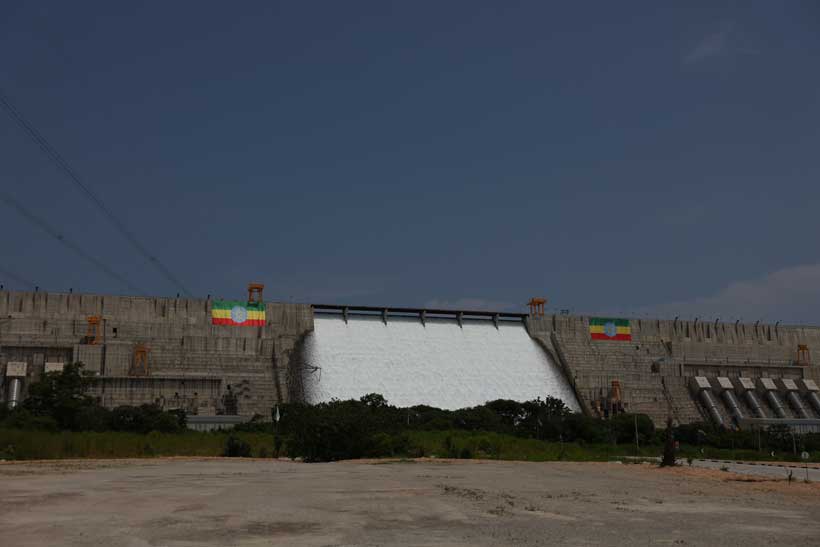
The Red Sea remains a critical artery for Chinese trade, leading to the 2017 establishment of a permanent military base in Djibouti—the first of its kind for the People’s Liberation Army. Beyond the Horn of Africa, Beijing is embedding itself into the Suez Canal Economic Zone, securing its maritime routes through heavy industrial investment. In the dispute over the Grand Ethiopian Renaissance Dam, China has moved away from its traditional non-interference stance, now favoring quiet technical mediation to protect its dual interests in both Egypt and Ethiopia.
While China markets its model as a transparent, non-political alternative to Western aid, critics point to the "debt trap" phenomenon, where nations like Kenya struggle under immense financial obligations. The future of this influence rests on the capacity of African governments to negotiate equitable terms. As Washington and Beijing compete for primacy, the continent finds itself at a crossroads: either benefiting from much-needed development or becoming the primary theater for a new era of systemic international rivalry.




Comments (0)
No comments yet. Be the first!