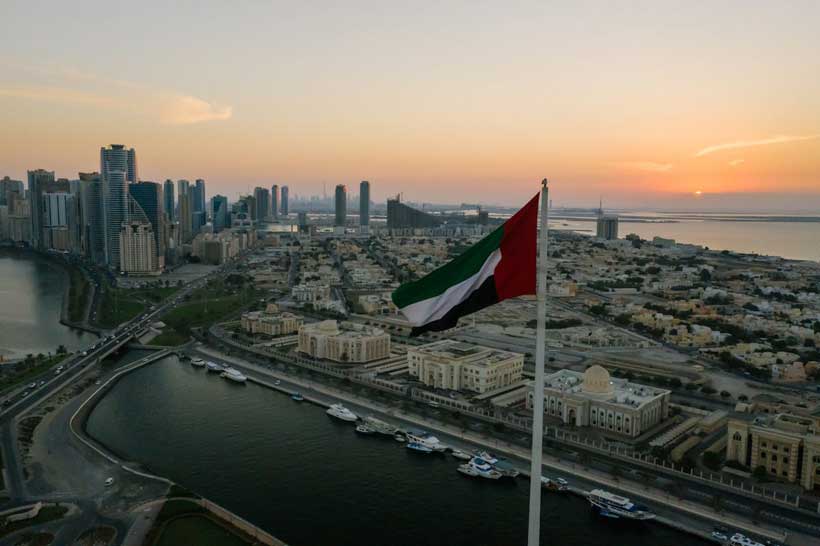
The narrative of an upgraded alliance struggles to reconcile with the events of the past year. When the UAE faced direct fallout from regional conflict, Pakistan offered verbal solidarity but simultaneously built a security architecture with Saudi Arabia, Turkey, and Egypt that pointedly excluded Abu Dhabi. This inconsistency forced the Pakistani foreign office into a series of damage-control briefings to deny that ties were fraying, even as financial tensions flared over the early repayment of a $3.5 billion loan.
Abu Dhabi’s foreign policy is driven by portfolio management rather than the civilizational sentiment Islamabad often invokes. The UAE’s deepening integration with India—evidenced by a $101 billion trade volume and institutionalized counter-terrorism cooperation—demonstrates that the Emirates prioritize concrete economic and security deliverables. Pakistan’s attempt to pitch itself as a central partner through proposed minerals projects, such as the Reko Diq mine, faces its own hurdles; the project’s security-related delays and opaque valuation estimates have tempered investor enthusiasm. Ultimately, the success of this "strategic" rebrand depends on tangible outcomes, such as the long-stalled Comprehensive Economic Partnership Agreement, rather than the repetition of historical ties that the UAE has already shown it does not rely upon.



Comments (0)
No comments yet. Be the first!