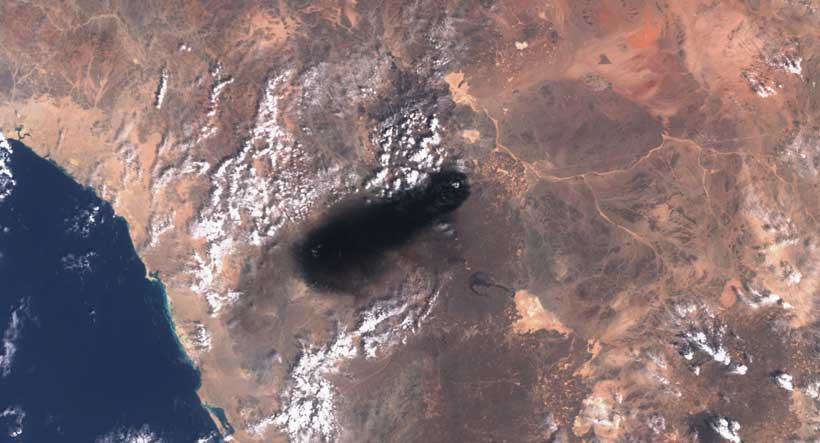
The pipeline closure serves as a defensive maneuver to mitigate damage after the strike caused both physical infrastructure destruction and personnel injuries. By bypassing the Strait of Hormuz, this route typically accounts for up to 5% of the total global oil supply. With U.S. diesel prices already climbing past $6 a gallon, the disruption threatens to push energy costs higher despite President Trump’s assertion that prices would stabilize following the midterm elections.
Crown Prince Mohammed bin Salman sought direct military intervention from Washington to counter the Houthi advance on Perim Island, yet the White House opted to provide intelligence support rather than boots on the ground. Tensions remain at a breaking point as Iranian officials demand concessions over the Strait of Hormuz before returning to the negotiating table. While Iraq has dismissed a commander tied to the incident and shuttered the Shalamcheh border crossing, Saudi oil production continues to spiral, reaching its lowest output levels in three decades. The Houthis maintain their blockade of Saudi vessels, signaling that the current maritime stand-off is far from resolution.



Comments (0)
No comments yet. Be the first!