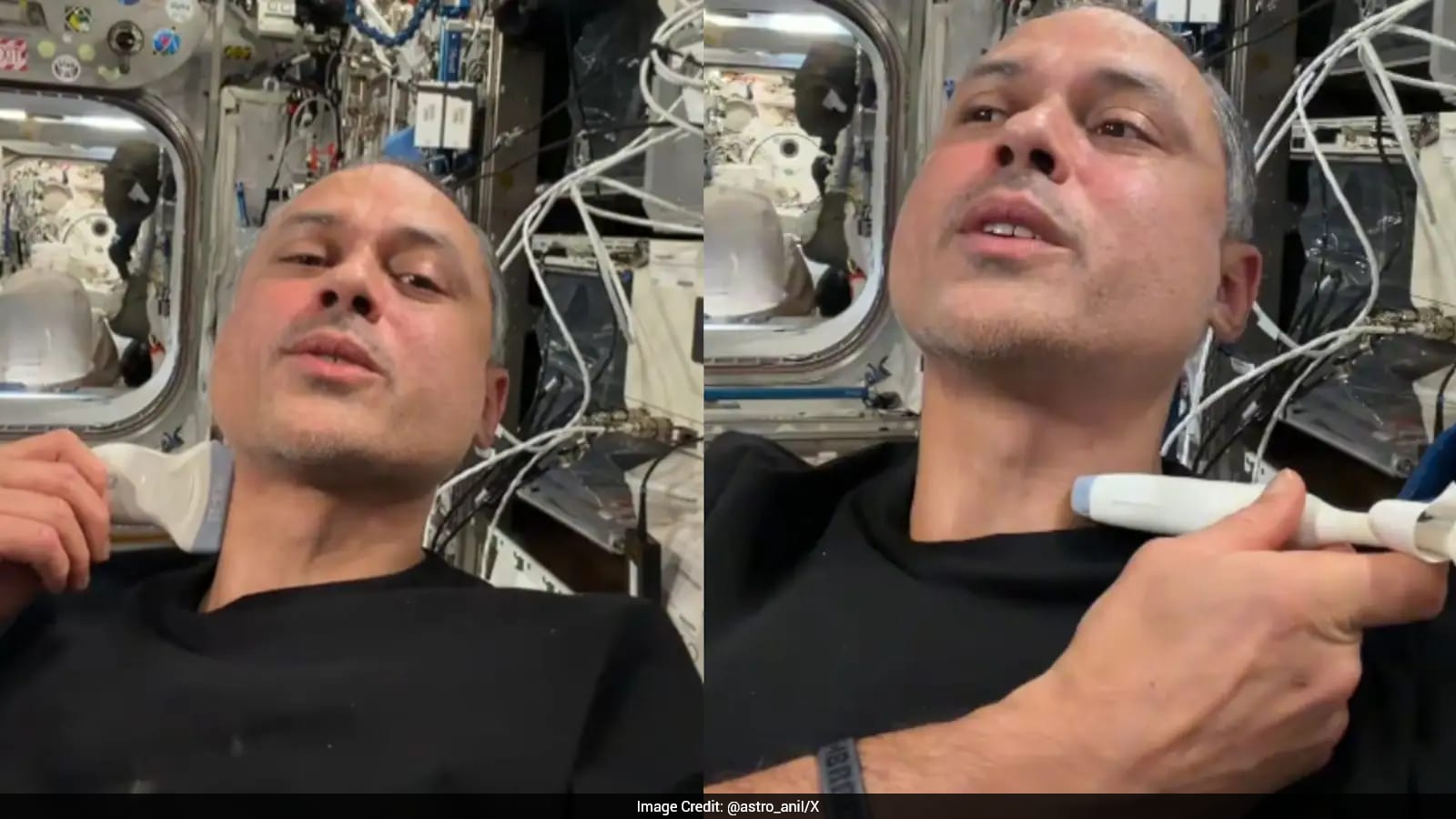
In the demonstration shared from the International Space Station, Menon shows a two-person operation: one astronaut acts as the primary technician wielding the ultrasound probe, while their partner manages the digital controls. This physical coordination is supported by a remote guider and a team of physicians on the ground. These experts provide real-time oversight, ensuring that the captured imagery is accurate and ready for immediate analysis.
This workflow addresses a critical concern for long-duration missions: the physiological toll of weightlessness. Scientists fear that microgravity disrupts normal blood circulation, potentially increasing the risk of blood clots. By integrating advanced imaging technology with constant Earth-bound support, astronauts can monitor their cardiovascular health and mitigate risks as they adapt to the space environment. The process serves as a practical example of how rigorous medical research remains a constant priority for the safety of crews living in orbit.




Comments (0)
No comments yet. Be the first!