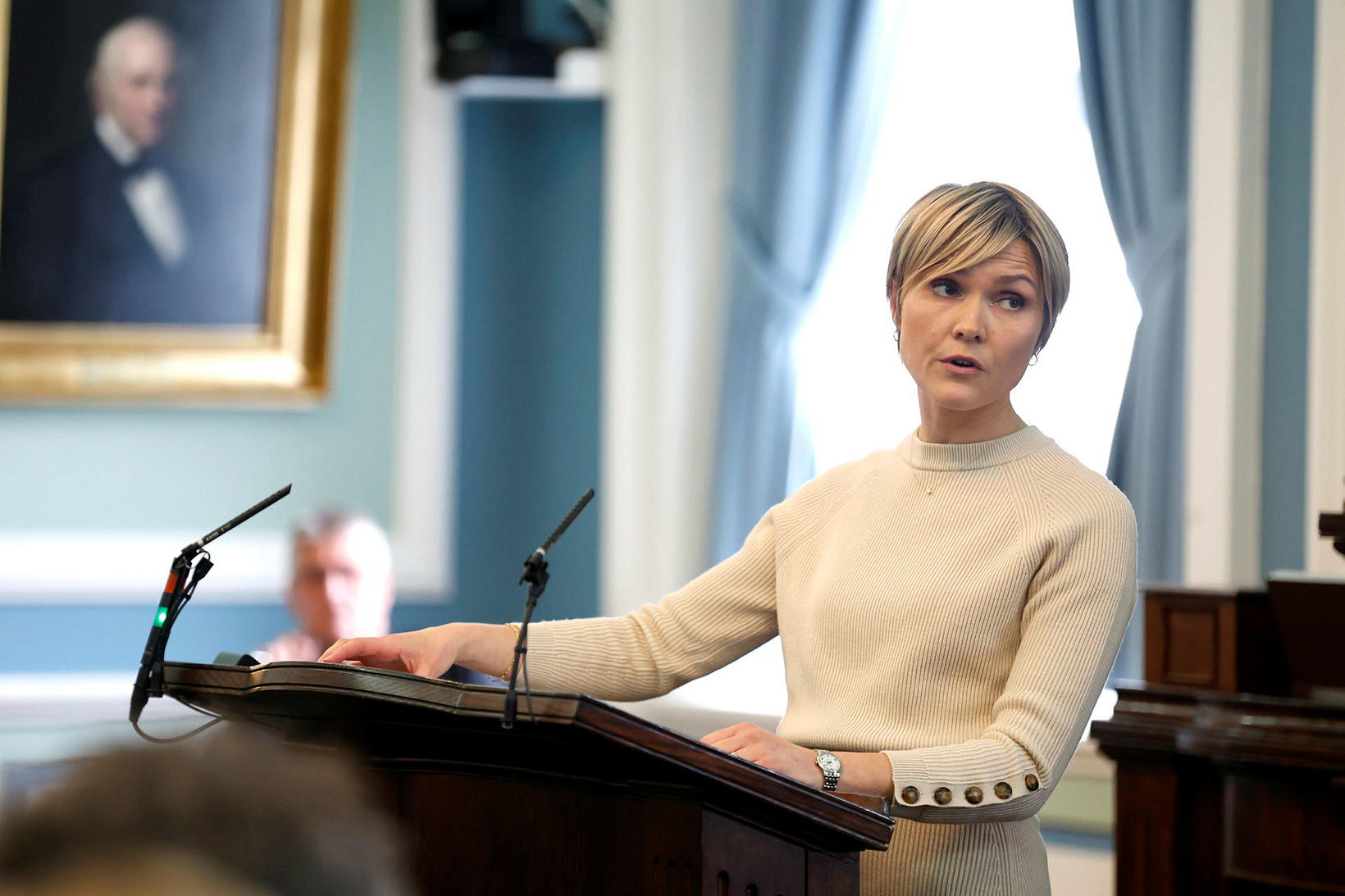
Proponents argue that joining the bloc would alleviate the pressure of an 8.00% central bank rate, offering a path toward the lower interest rates enjoyed by eurozone members. For younger citizens, the prospect represents a vital link to continental security and economic integration. Prime Minister Kristrun Frostadottir maintains that the government remains committed to its broader agenda regardless of the result, framing this vote as a preliminary step rather than a final commitment.
Opposition leaders characterize the move as an unnecessary surrender of autonomy, insisting that Iceland’s economic volatility demands domestic fixes rather than foreign intervention. Central to their skepticism is the fear that Brussels would force concessions on fishing rights, a cornerstone of the island’s economy. Should the electorate vote in favor of restarting the process, formal talks could commence by late 2026, though officials stress that any potential membership would require a second, definitive referendum. Results are anticipated early Sunday, marking the end of a long-standing debate that first gained traction during the 2009 financial crisis.

Comments (0)
No comments yet. Be the first!