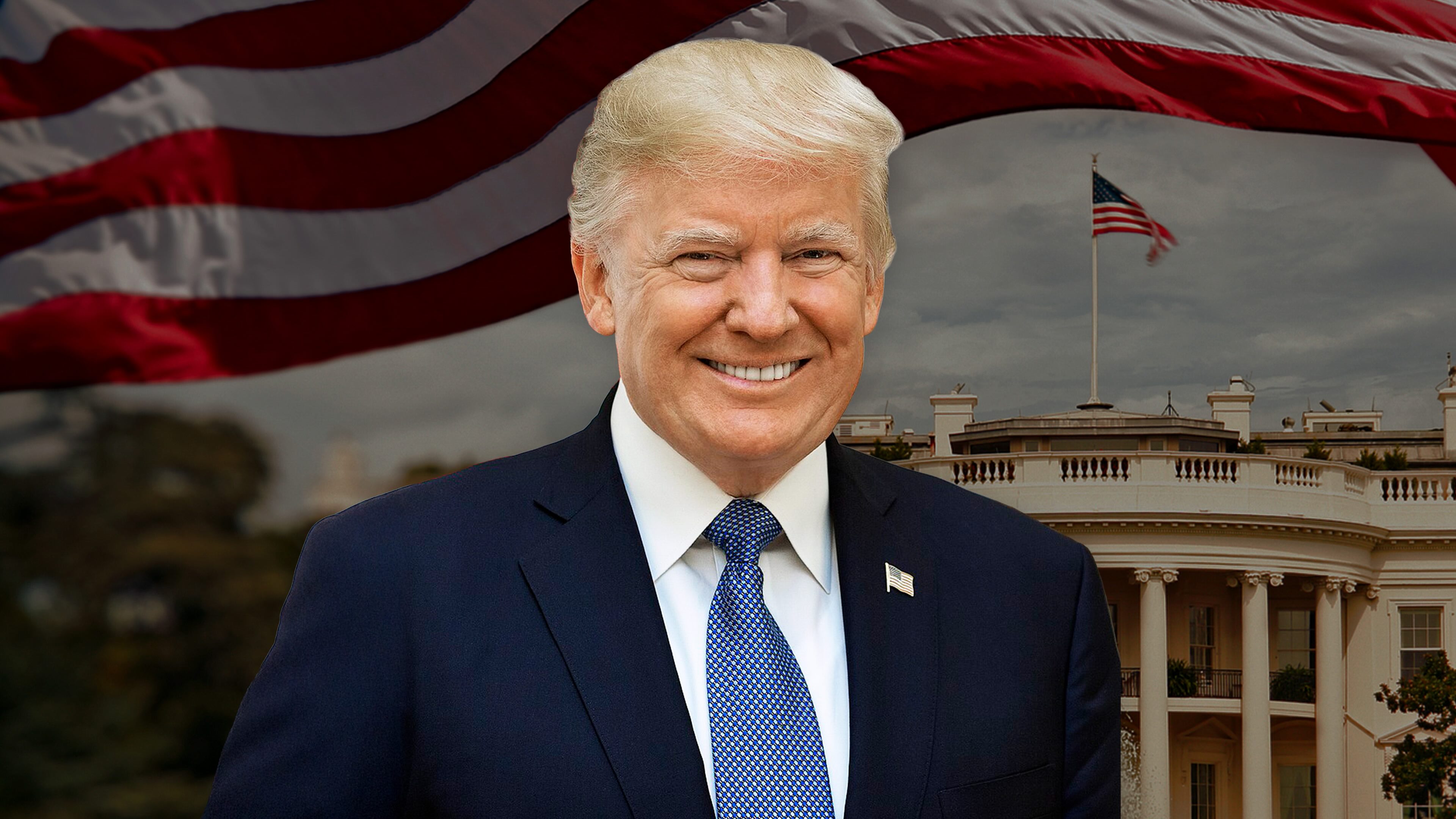
These persistent reports from Jerusalem have resonated within the Trump administration, even as U.S. intelligence officials maintained a more skeptical stance on Tehran’s active intent. This divergence has fueled friction inside the U.S. national security apparatus, where diminished collaboration and staffing shifts have weakened traditional analytical pipelines.
Instead of relying on standard bureaucratic vetting, Israeli officials have increasingly bypassed conventional channels to engage directly with senior administration figures. This strategy has successfully steered the White House toward a more aggressive posture, culminating in authorized military strikes against Iranian targets. Both Israeli and U.S. representatives continue to deny that these intelligence exchanges are designed to manipulate American foreign policy, yet the pattern of decision-making suggests that Israeli assessments hold significant weight in shaping the current geopolitical trajectory.
Comments (0)
No comments yet. Be the first!