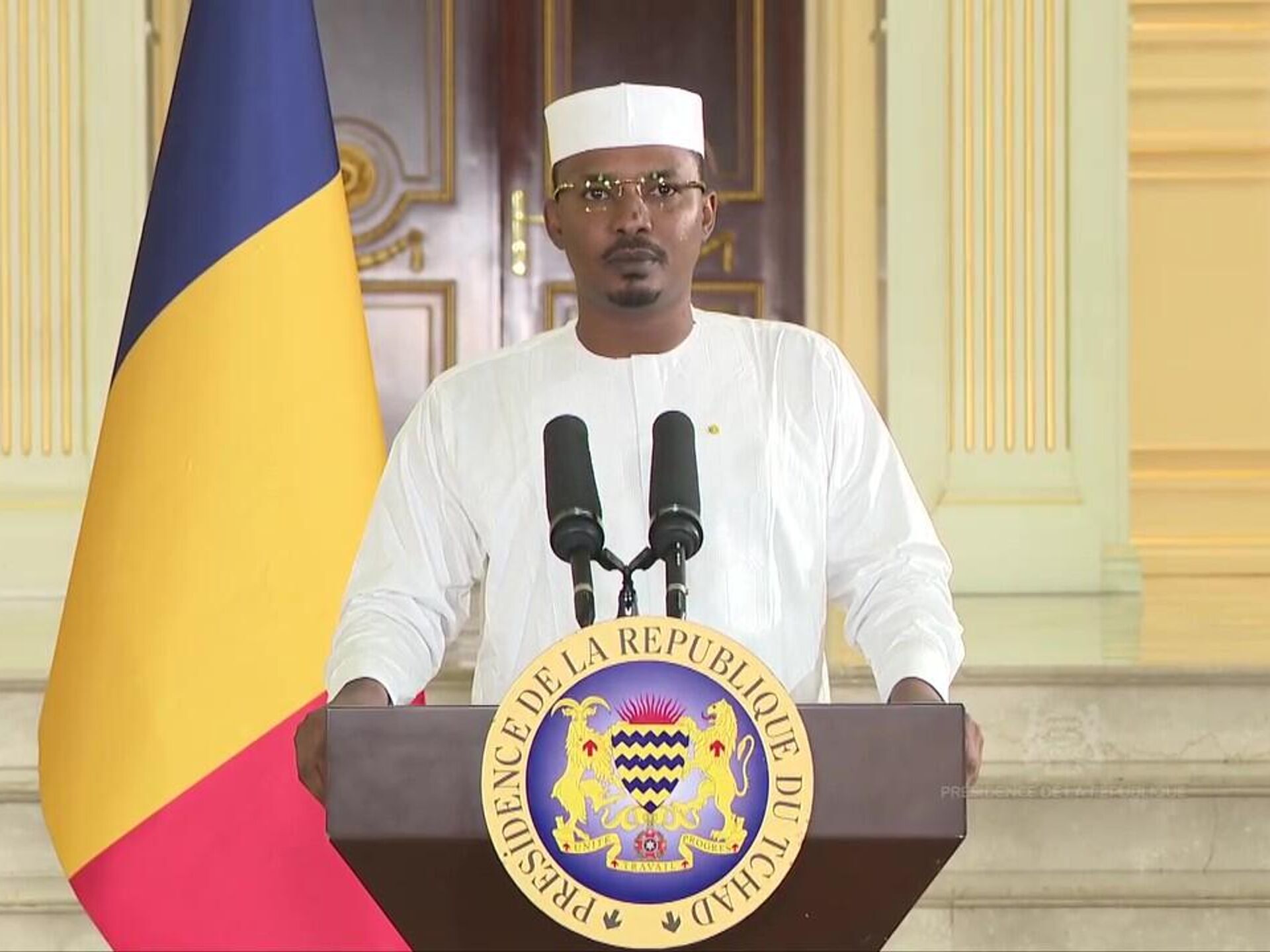
Masra emerged as the primary challenge to Déby’s administration, positioning himself as a central figure for dissent before his arrest. The gravity of the accusations against him—ranging from orchestrating civil unrest to direct involvement in lethal violence—had previously effectively sidelined him from the political arena. By clearing the path for his release, the government appears to be recalibrating its approach toward opposition figures who were once considered existential threats to the current regime's stability.
This decision carries significant weight for the country’s internal trajectory, as the tension between the presidency and opposition forces has long defined Chad's governance. Whether this pardon serves as a genuine opening for inclusive dialogue or a strategic maneuver to neutralize domestic pressure remains the critical question facing local observers. The administration has yet to outline the specific conditions or political implications tied to this release.
Comments (0)
No comments yet. Be the first!