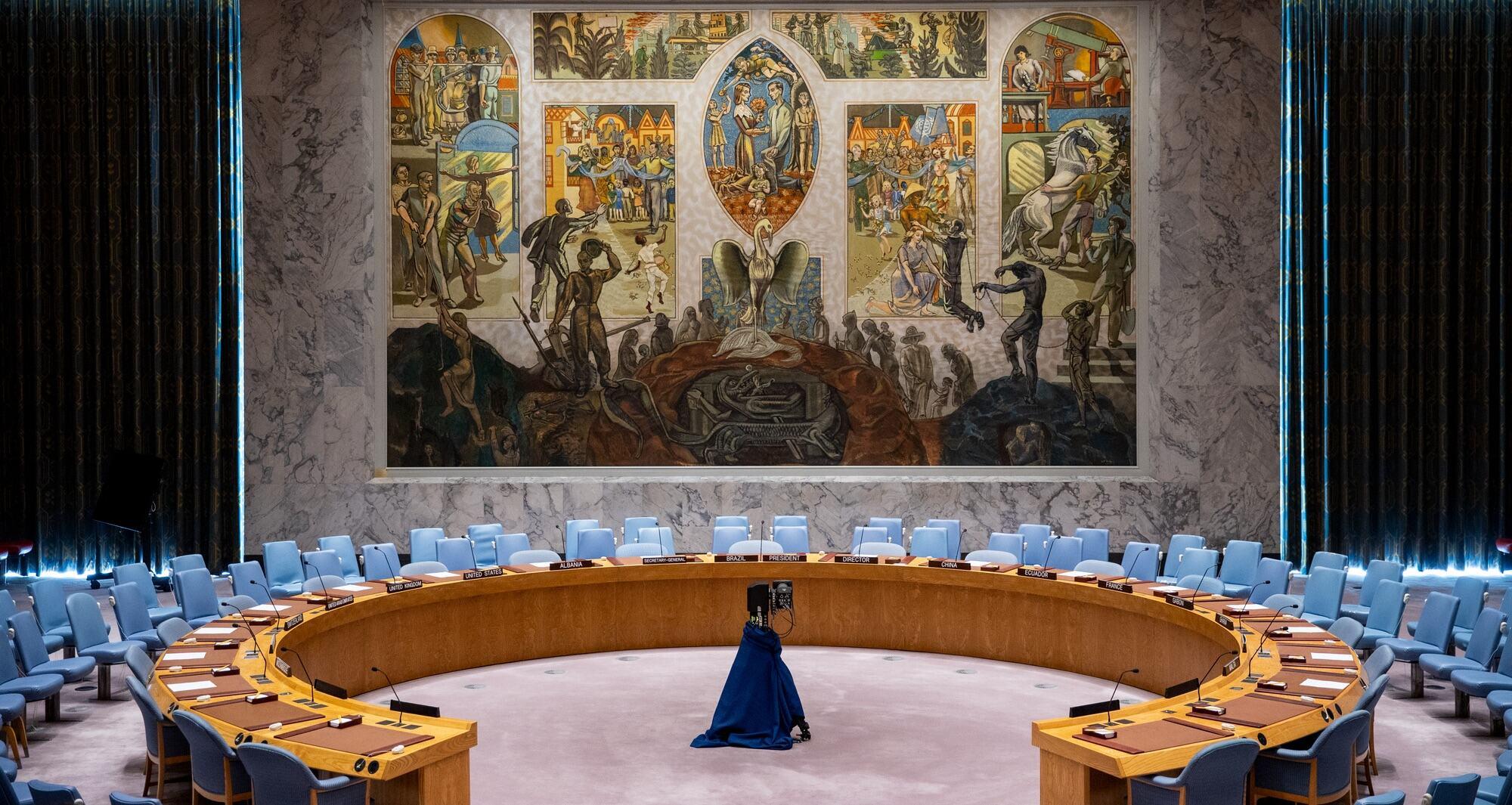
The Intergovernmental Negotiations, established in 2009, have produced zero formal texts, yielding only a collection of competing blueprints. The Group of Four—Brazil, Germany, India, and Japan—seeks permanent seats, while the African Group advocates for a bloc-based approach via the Ezulwini Consensus. Opposing these are the Uniting for Consensus coalition, led by Pakistan, which favors expanding the number of elected, renewable seats rather than creating new permanent privileges.
This gridlock is not merely a failure of diplomacy; it is a design feature of the UN Charter. Any amendment requires approval from two-thirds of the General Assembly and ratification by two-thirds of member states, a list that must include all five permanent Council members. This grants the current veto-holders an absolute, silent power to block any reform that threatens their influence. Consequently, the Council remains frozen at fifteen seats, a structure that has failed to keep pace with the UN’s growth from 51 members in 1945 to 193 today.
Because formal reform is effectively locked, momentum has shifted toward workarounds that bypass the Charter. A France-led initiative to voluntarily restrict the veto in cases of mass atrocities now boasts 118 endorsements, nearing the 129 required for a two-thirds majority. While such a pledge would be non-binding, it represents a shift in strategy: seeking political accountability outside of the paralyzed amendment process. As the Council faces recurring crises, the question is no longer who will gain a seat, but whether the institution will remain relevant as states increasingly look to mechanisms outside its formal remit to address global conflict.
Comments (0)
No comments yet. Be the first!