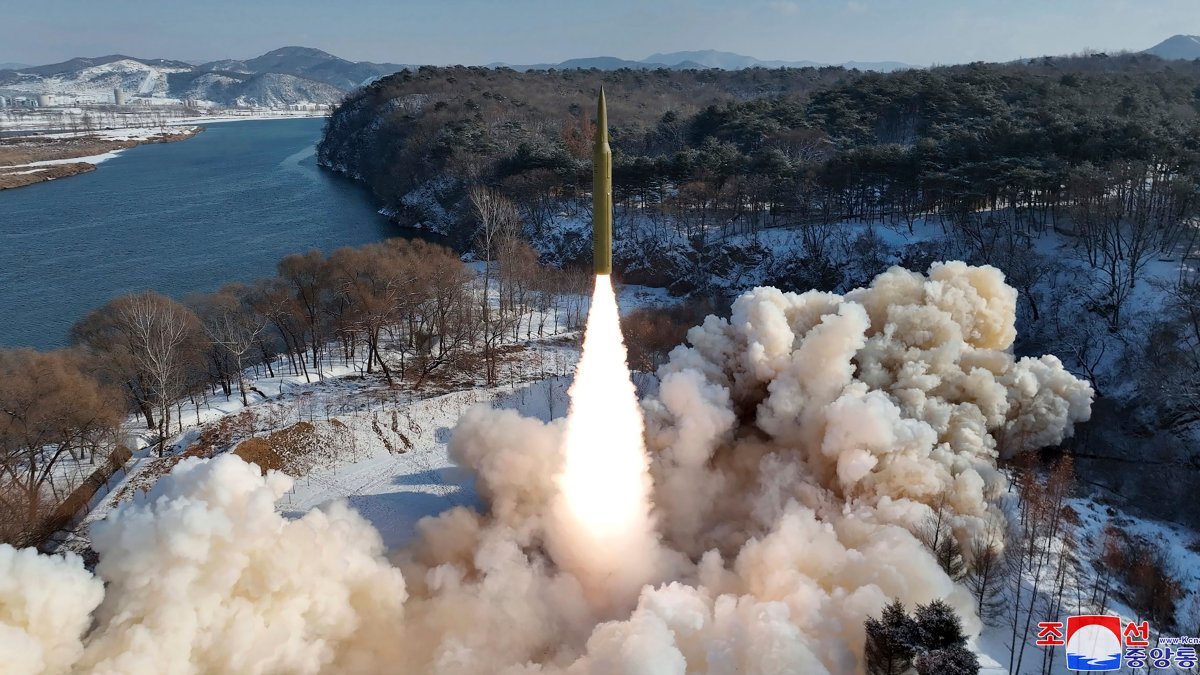
Since early July, North Korean state media has published over a dozen attacks targeting Japan’s defense strategy. The messaging centers on Japan’s 2022 decision to double defense spending to 2% of GDP and its procurement of U.S.-made Tomahawk cruise missiles. Kim Yo Jong, sister of leader Kim Jong Un, recently warned of new military options, characterizing Japan's shift as a move toward "re-invasion." This rhetoric aligns with Pyongyang's broader goal of framing the regional landscape as a binary confrontation between a U.S.-led bloc and an opposing coalition of North Korea, China, and Russia.
Strategic Realignment and Russian Ties
The campaign coincides with a curious silence regarding North Korea’s own recent ballistic missile tests. Analysts suggest this lack of publicity may stem from the tests involving incremental upgrades to existing systems—potentially enhanced by Russian technical assistance—rather than propaganda-worthy breakthroughs. These developments may also reflect a need for operational secrecy regarding military exports, as reports from Ukrainian officials suggest Moscow is increasingly reliant on North Korean munitions and hardware. By casting Japan as an aggressor, Pyongyang not only rationalizes its internal military expansion but also cements its strategic utility to its partners in Moscow and Beijing. This cycle of mutual suspicion risks accelerating an arms race, as each side uses the other’s security measures to validate further defense investments.
Comments (0)
No comments yet. Be the first!