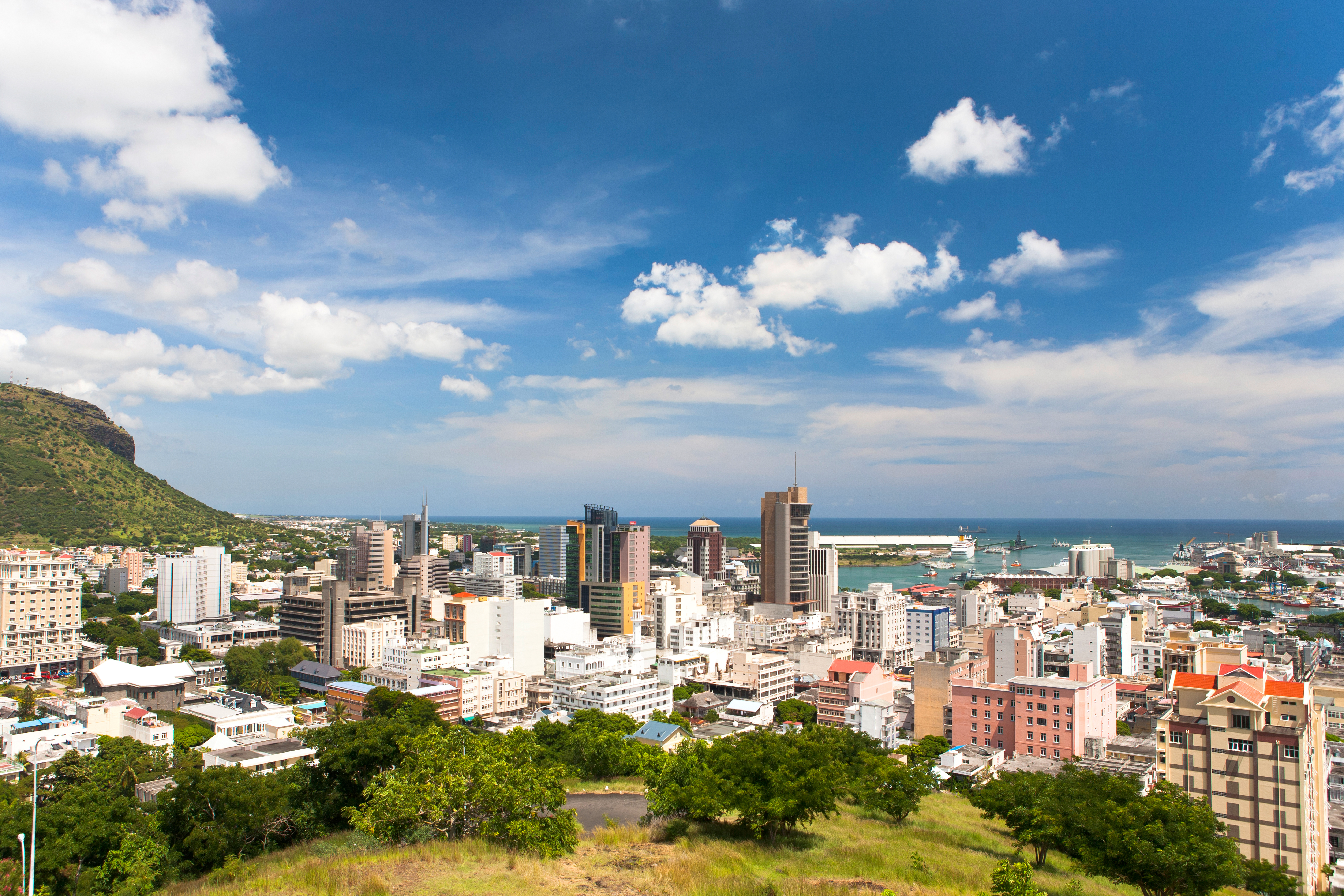
The African Development Bank forecasts a 3% growth rate for 2026, followed by a rebound to 3.8% in 2027. Tourism remains a primary engine, evidenced by a record 1.44 million arrivals in 2025, alongside steady contributions from financial services and retail trade. However, inflation is projected to hit 5.7% this year—exceeding the central bank’s target—largely due to spillover effects from conflict in the Middle East.
Beyond immediate macroeconomic indicators, the reports highlight systemic barriers to progress. An aging population, rigid labor markets, and persistent skills mismatches threaten to stunt the development of high-value sectors. Furthermore, infrastructure deficiencies in energy, water, and port logistics, coupled with lagging digital connectivity, hinder necessary productivity gains.
Kevin Urama, the Bank’s Chief Economist, advocates for a multifaceted approach to capital mobilization, urging the government to improve domestic revenue collection and leverage investment from diaspora communities and institutional players. Success in reaching these goals rests on diversifying into the ocean economy, circular industry, and digital sectors. Moono Mupotola, the Bank’s Country Manager, emphasizes that capital injection alone is insufficient; the nation must integrate these investments into a unified strategy involving universities, the private sector, and civil society to realize its Vision 2050 objectives.




Comments (0)
No comments yet. Be the first!