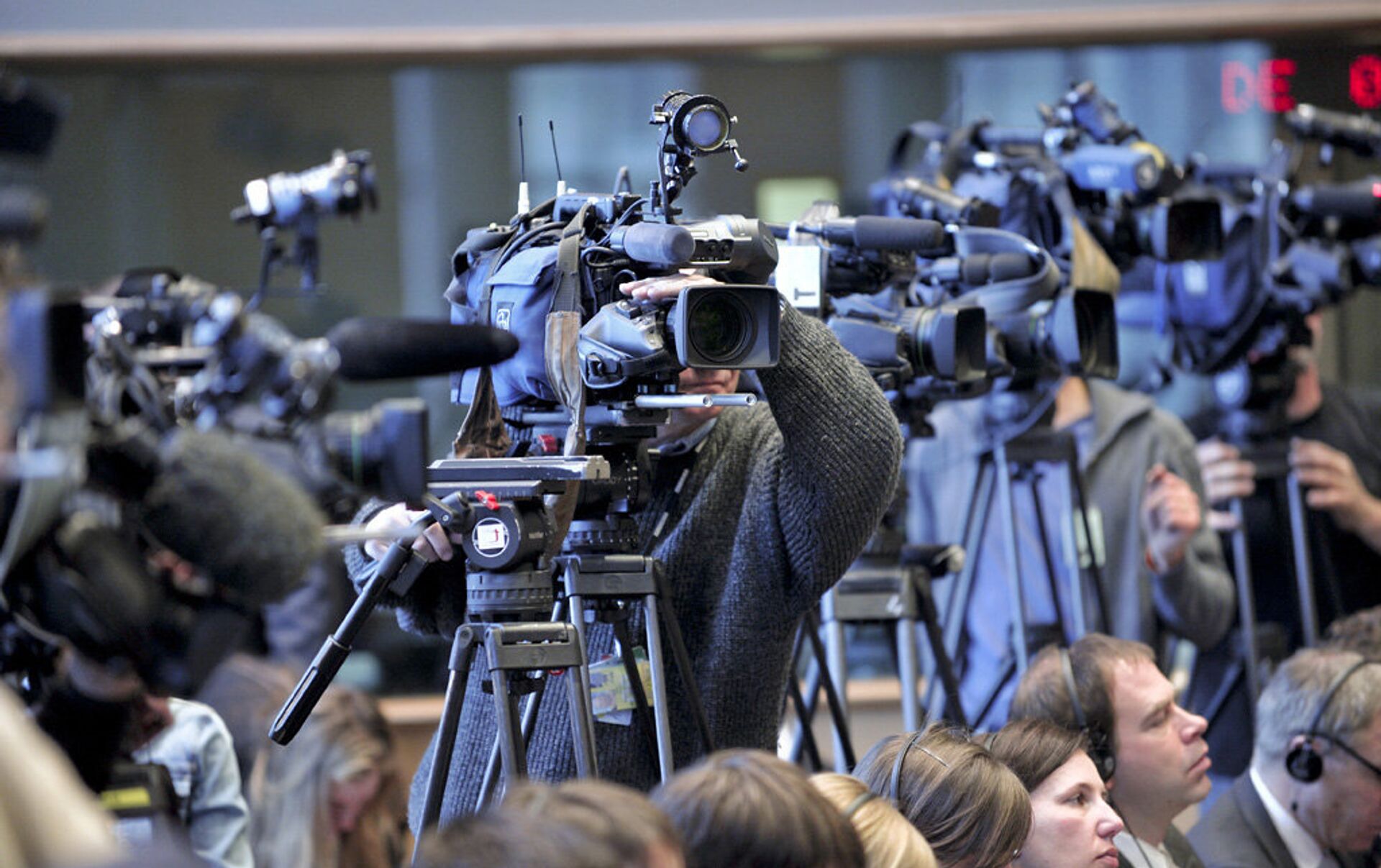
The Taliban’s methodology has evolved from the erratic, deniable directives of 2021 into a durable legal architecture. While the regime previously relied on unpublished provincial orders to shutter outlets and silence women, the new Code of Criminal Procedure removes the safety of ambiguity. By criminalizing criticism of leadership—with punishments reaching thirty-nine lashes—the state has effectively turned the act of journalism into an offense against the supreme leader, Haibatullah Akhundzada. This transition to written law signals an intent to make current restrictions not just persistent, but untouchable by future negotiation.
The Global Precedent
Beyond Afghanistan, the collapse of the local media sector—where two-thirds of journalists have fled or quit—serves as a grim indicator for a wider global decline. Reporters Without Borders notes that more than half of all countries now present a hostile environment for the press, with many states adopting the same national security justifications once reserved for the world’s most repressive regimes. As the Taliban’s censorship model becomes institutionalized, the crisis is increasingly spilling across borders. With Pakistan and Iran conducting mass deportations, Afghan journalists are trapped in a cycle of displacement, forcing Western nations to confront the limits of their own asylum commitments. The first public prosecution under the new criminal code will likely serve as the final transition from threat to template, signaling to other authoritarian regimes that total media control is a sustainable, and enforceable, reality.



Comments (0)
No comments yet. Be the first!