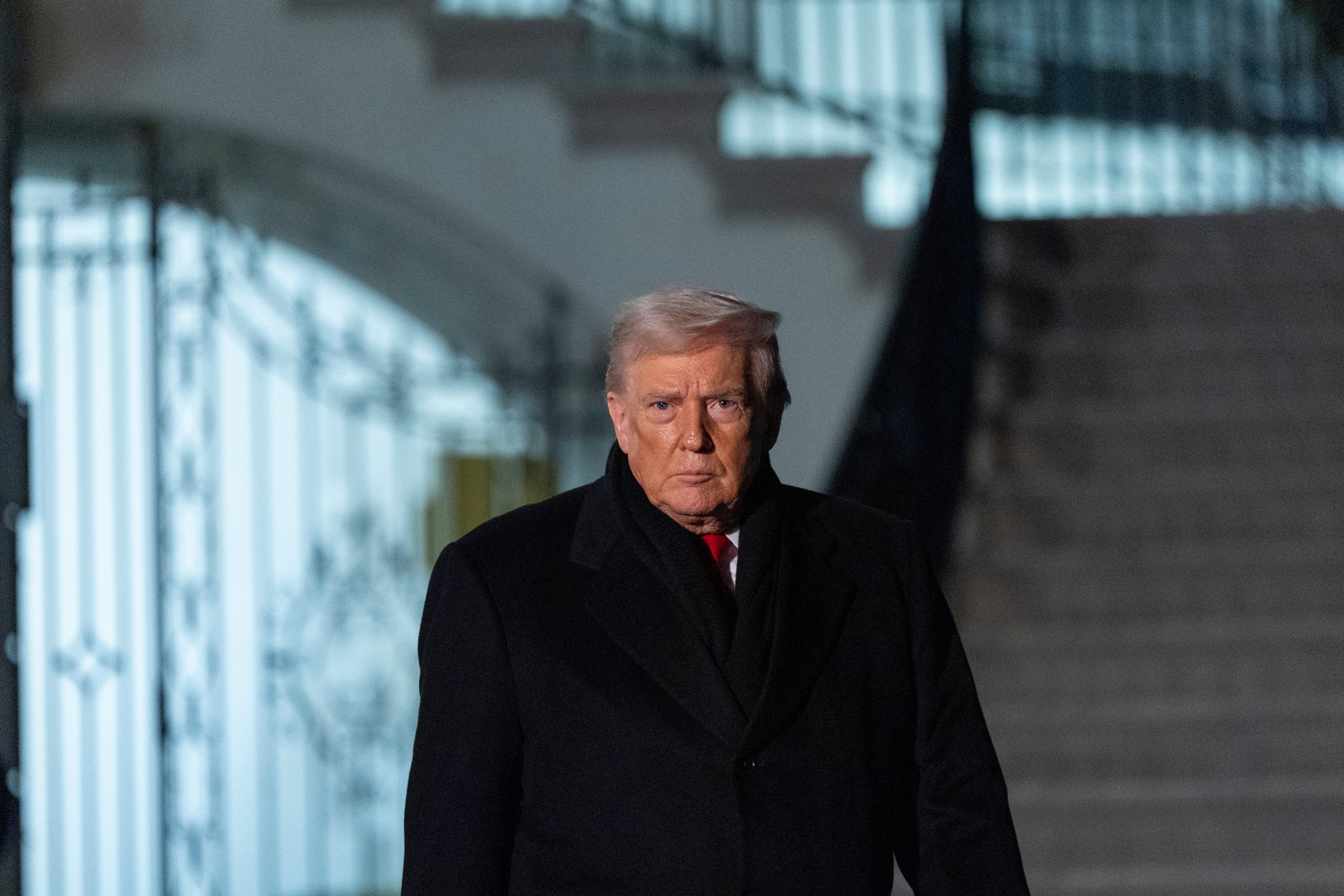
The Secret Service orchestrated the decoy operation as a precaution, smuggling the president onto an alternative aircraft via a catering cart while staff and journalists remained aboard the primary jet. While the agency acted out of an abundance of caution—citing recent security lapses—U.S. intelligence officials described the Israeli-provided information as single-sourced, uncorroborated, and ultimately low-confidence. Turkish security services later investigated the claims and found no evidence of a specific plot to target the president in Ankara.
Cabinet members Secretary of State Marco Rubio and Treasury Secretary Scott Bessent remained on the original Air Force One during the return flight. While Rubio was reportedly aware of the security switch, the divergence in transport highlighted the heightened sensitivity surrounding the president’s safety. Some officials now suggest the intelligence provided by Tel Aviv may have been intended to influence U.S. regional policy rather than provide actionable warning, sparking fresh debate over the weight given to foreign-derived threats in White House decision-making.



Comments (0)
No comments yet. Be the first!