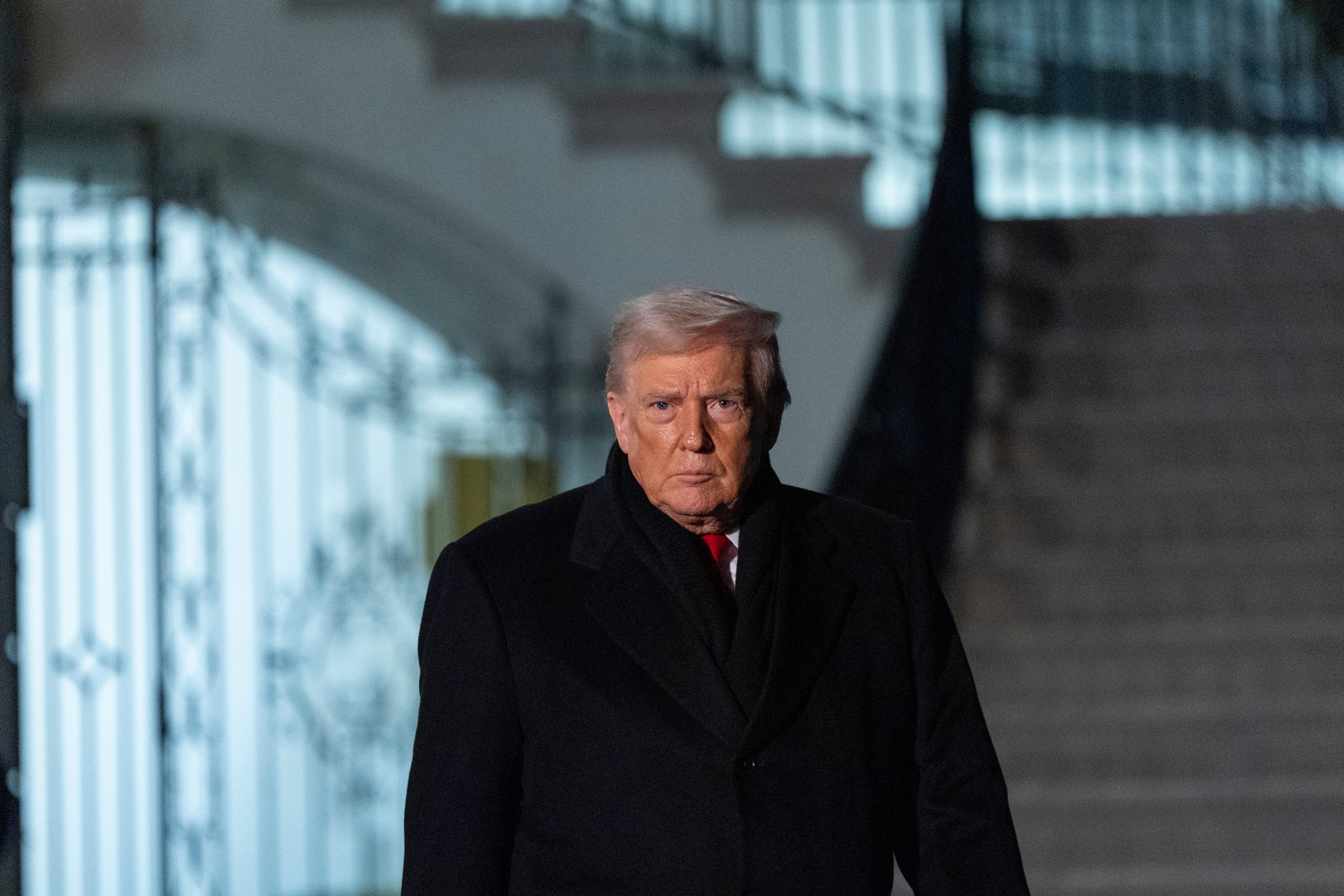
When Donald Trump departed Turkey on July 8, the mission bypassed standard security protocols. By opting for a decoy aircraft and keeping staff in the dark about the true destination, the administration aimed to neutralize imminent threats that traditional notification procedures might have inadvertently compromised. This level of deception underscores the extreme measures required to maintain the integrity of a leader’s visit to a combat zone.
History provides a roadmap for this tactical opacity. George W. Bush’s 2003 Thanksgiving trip to Baghdad remains the benchmark for surprise, while Bill Clinton’s 2000 flight to Pakistan involved a clandestine aircraft swap to navigate heightened regional tensions. Similarly, Barack Obama’s 2014 Memorial Day trip to Afghanistan relied on the same strategic concealment. For these administrations, the danger of exposure is not merely political; it is a tactical risk that transforms a routine diplomatic gesture into a complex military operation where safety depends entirely on the element of surprise.



Comments (0)
No comments yet. Be the first!