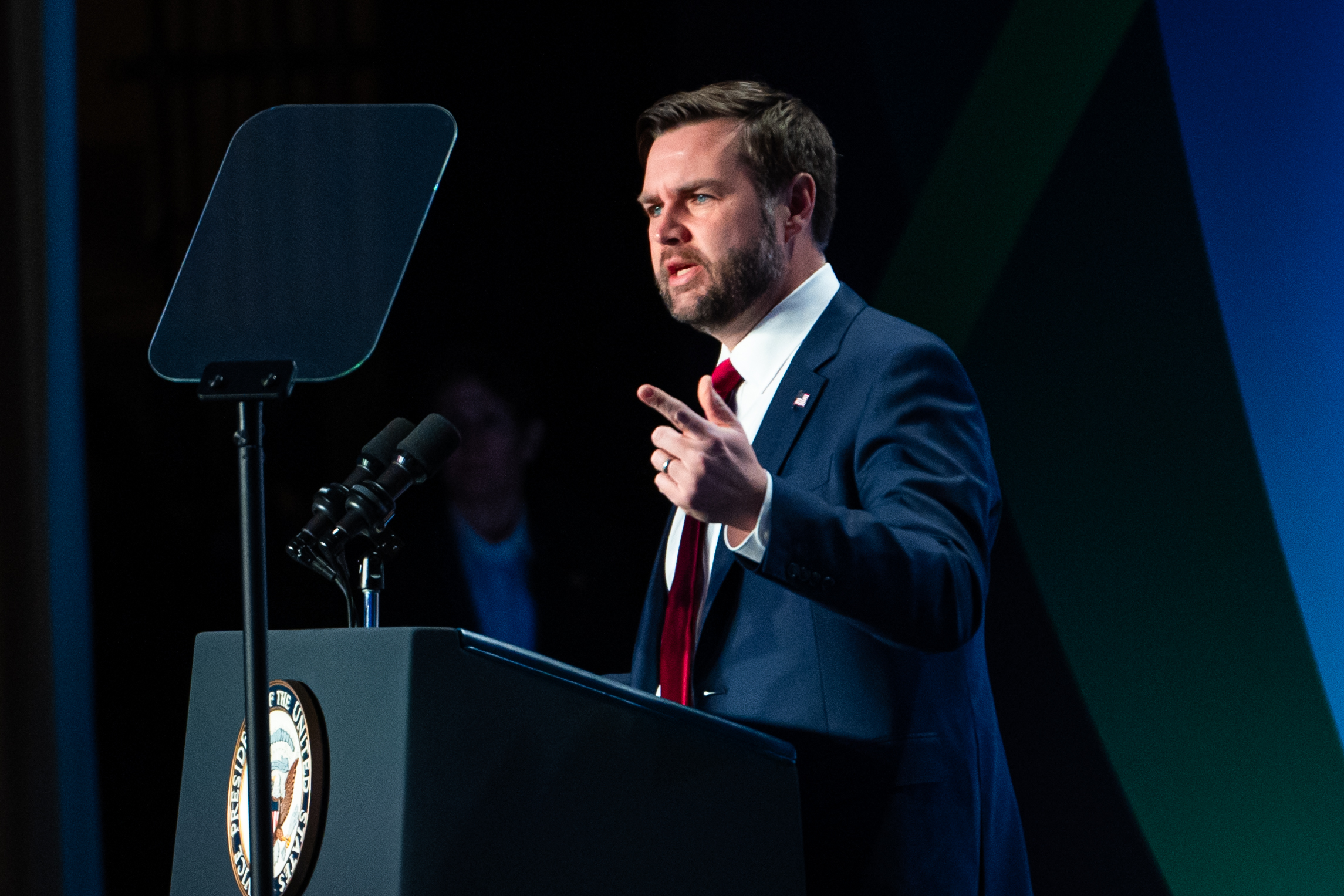
Massad Boulos, Steve Witkoff, and Vice President Vance have spent months negotiating high-stakes settlements in regions spanning Africa and the Middle East. Despite the intensity of these interventions, the strategy remains largely transactional. History suggests that political handshakes rarely hold without the ballast of integrated trade. The Washington Agreement, which incentivized market cooperation between Kosovo and Serbia, offers a blueprint for how cross-border investment can pacify long-standing animosities where simple rhetoric fails.
Economic planning must shift from a post-conflict afterthought to a foundational element of US diplomacy. The success of the Marshall Plan and the normalization of US-Vietnam relations demonstrate that long-term stability relies on creating mutual commercial stakes. RAND Corporation analysis projects that peace could unlock $120 billion for Israel and $50 billion for Palestinians over a decade, yet such growth remains theoretical without active market integration. By incorporating private capital and development financing into the earliest stages of negotiation, the administration can transform fleeting truces into irreversible relationships, replacing the volatility of conflict with the stability of shared prosperity.



Comments (0)
No comments yet. Be the first!