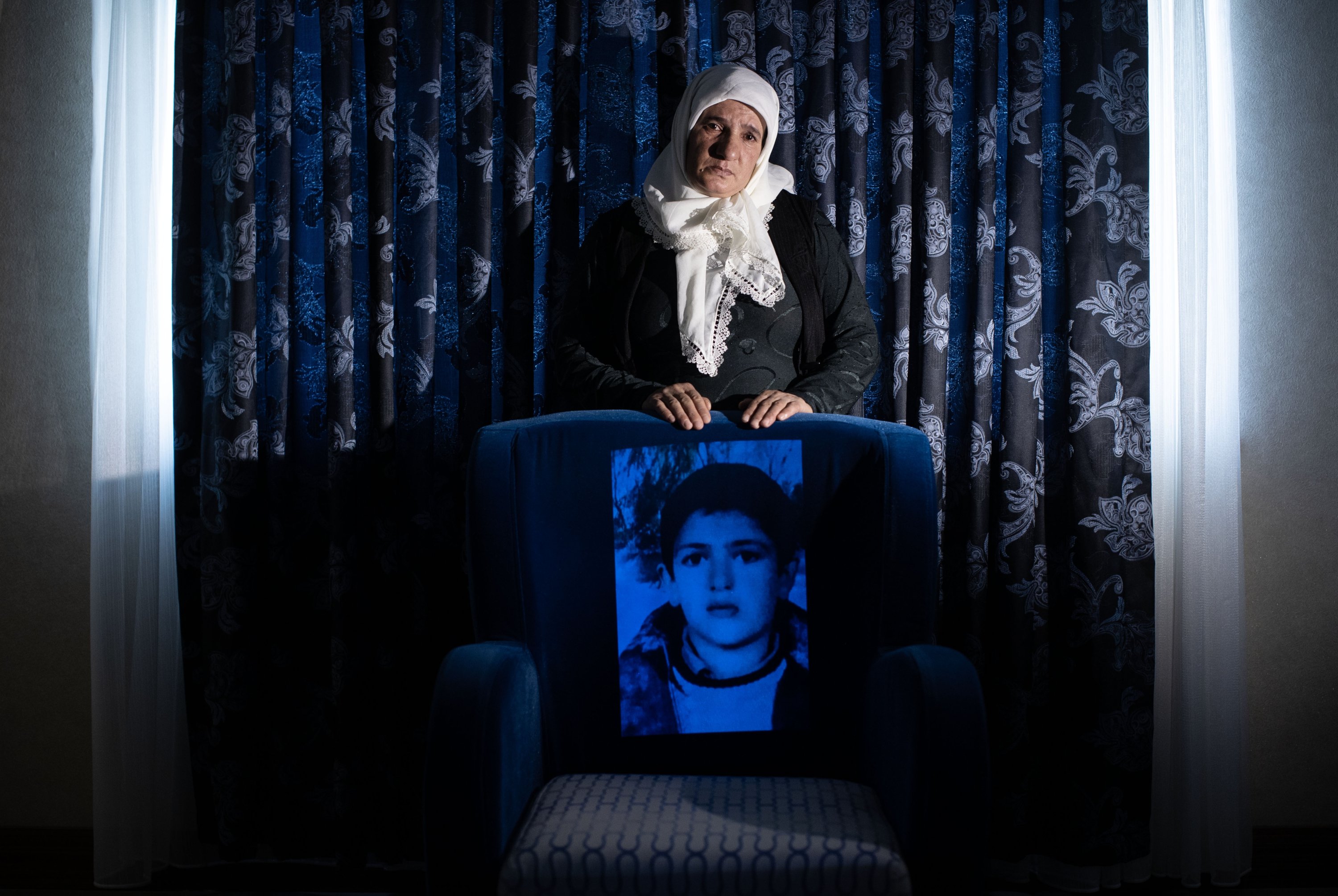
The legislation introduces mechanisms for reintegration and the potential suspension of prison sentences for those exiting the insurgency. For mothers like Ayten Elhaman, who has spent nine years awaiting her son’s return from PKK hideouts, the law serves as a vital bridge home. The conflict, which began in 1984, has claimed roughly 40,000 lives and cost the state an estimated $2 trillion, anchoring the success of this peace process as a potential cornerstone of President Tayyip Erdogan’s political legacy.
However, the path to reconciliation faces deep-seated resistance. Veterans like Ibrahim Colakoglu, wounded in combat, argue that the prospect of reintegration undermines the sacrifices of fallen soldiers. Erdem Cercioglu, representing associations of veterans and bereaved families, has publicly rejected what he describes as a blanket pardon for militants. This tension is mirrored in the Kurdish community, where many remain skeptical of the state’s long-term intentions regarding political and cultural rights. With the PKK designated as a terrorist organization by Turkey, the U.S., and the EU, the transition from decades of armed struggle to institutionalized peace requires more than just legislative tools; it demands a restoration of trust that remains elusive across a deeply divided society.


Comments (0)
No comments yet. Be the first!