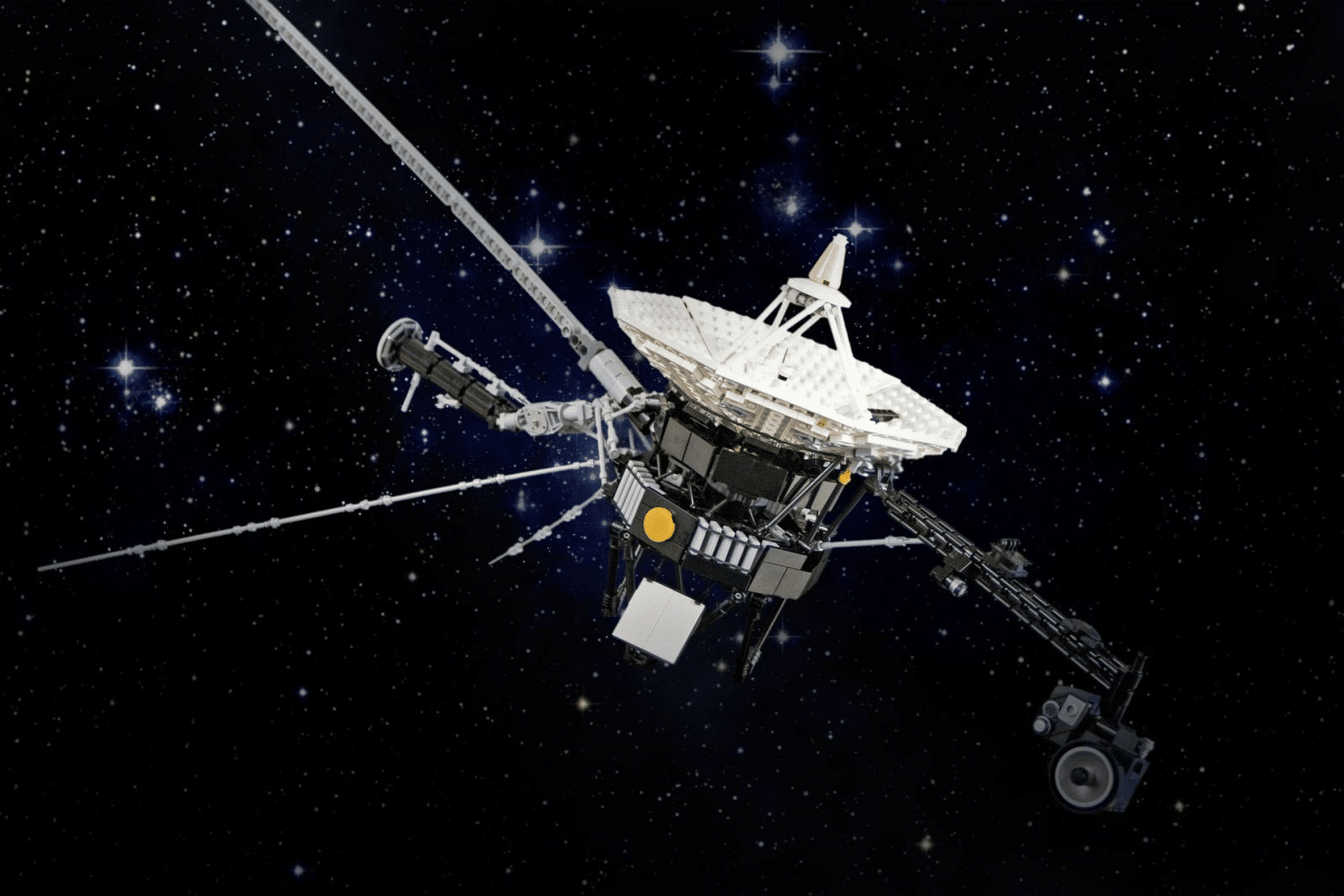
The spacecraft relies on radioisotope thermoelectric generators, which lose roughly 4 watts of power annually as their plutonium fuel decays. Faced with the choice of shutting down a key science instrument or risking a total blackout, engineers at the Jet Propulsion Laboratory initiated an effort dubbed the 'Big Bang.' This maneuver involved reconfiguring power distribution by disabling non-essential systems and swapping them for lower-power alternatives while maintaining critical thermal stability.
This intervention successfully delayed the inevitable power deficit. Without these adjustments, the mission would have been forced to deactivate a science tool before the end of 2026. Instead, the reclaimed energy will allow the probe to continue its mission for at least an extra year. The team now intends to apply these same energy-saving protocols to Voyager 1, which remains the most distant human-made object from Earth, in the coming months.



Comments (0)
No comments yet. Be the first!