The day opens with a six-planet parade, featuring Jupiter, Mercury, Mars, Saturn, Uranus, and Neptune stretched across the horizon. While Mars and Saturn remain visible to the naked eye, observers will require binoculars or telescopes to discern the distant ice giants. Andrew Fazekas of Astronomers Without Borders clarifies that such alignments are informal groupings rather than official astronomical events, simply indicating that the planets occupy the same general sector of the sky.
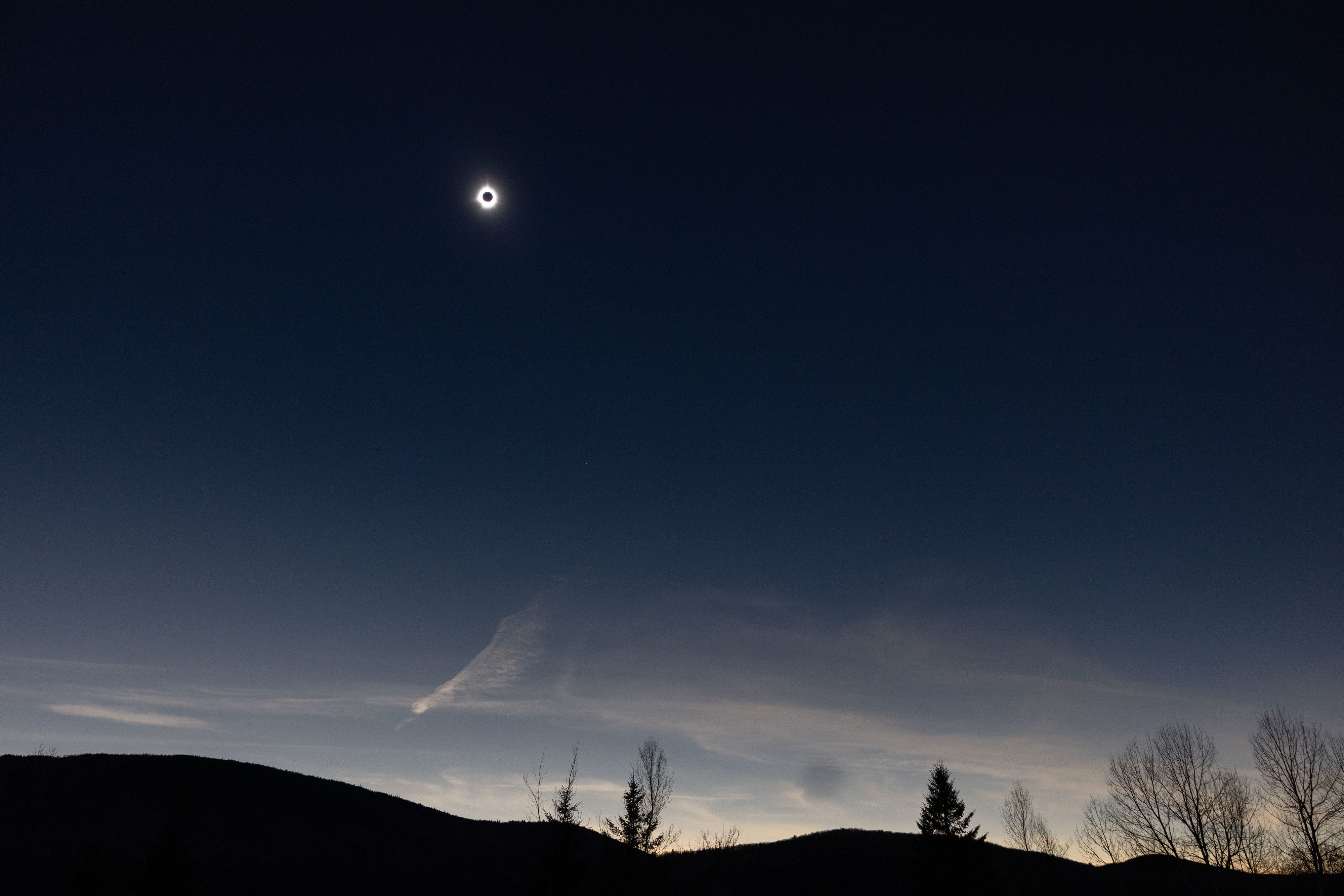
As the sun rises, the Moon moves between the Earth and the Sun, triggering a total solar eclipse. The path of totality crosses Greenland, Iceland, and Spain, casting these regions into temporary darkness. While millions across Europe, Africa, and North America will experience a partial eclipse, the event will remain invisible in India, where the phenomenon occurs during local nighttime hours. This eclipse coincides with the New Moon phase, rendering the lunar surface unilluminated and the night sky exceptionally dark.
This lack of moonlight provides ideal conditions for the peak of the Perseid meteor shower. Stargazers can expect a display of up to 100 meteors per hour, including fireballs and lingering dust trails. According to BBC Sky at Night Magazine, the optimal viewing window spans the early morning hours of August 12 through August 14, providing the best opportunity to witness the display before sunrise.



Comments (0)
No comments yet. Be the first!