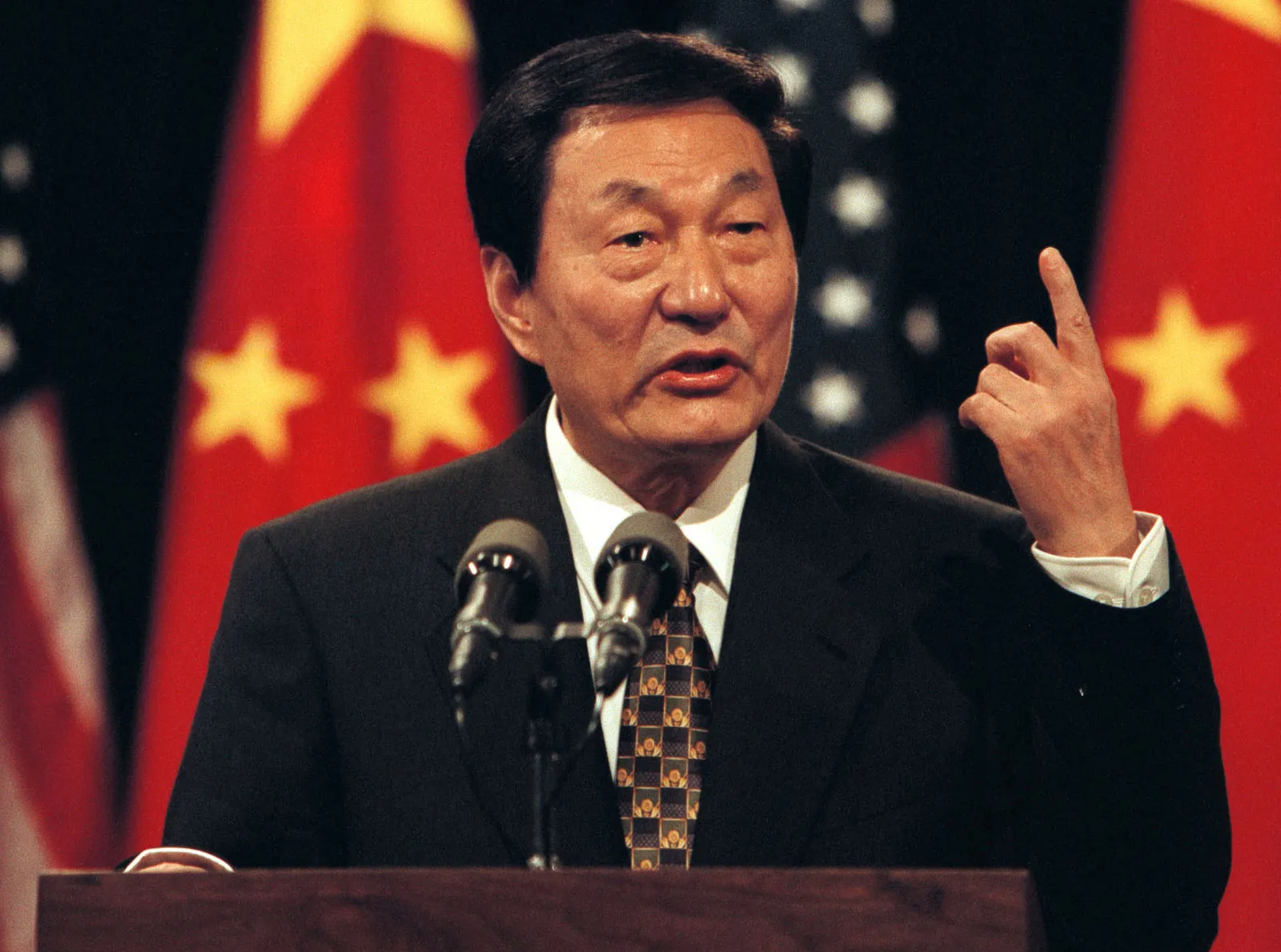
Zhu’s influence peaked during his tenure as premier, defined by the 2002 accession of China to the World Trade Organization. He managed the transition from a rigid command structure to a globalized powerhouse by tackling runaway inflation and forcing urban expansion. His four-volume collection of speeches, released in 2011, served as a stark, public record of his disdain for systemic inefficiency. These texts gained renewed relevance as China shifted toward the more conservative, centralized leadership of Xi Jinping, with reformists pointing to his candid style as a blueprint for necessary political bravery.
While his economic interventions drew criticism for their severity, his tenure remains a benchmark for rapid modernization. By attacking the incompetence within state institutions, he established a standard of accountability that few successors have dared to replicate. Today, his life stands as a contrast to the current political climate, marking the end of an era when a top official could publicly label his own peers as half-wits and remain the nation's most effective economic engine.


Comments (0)
No comments yet. Be the first!