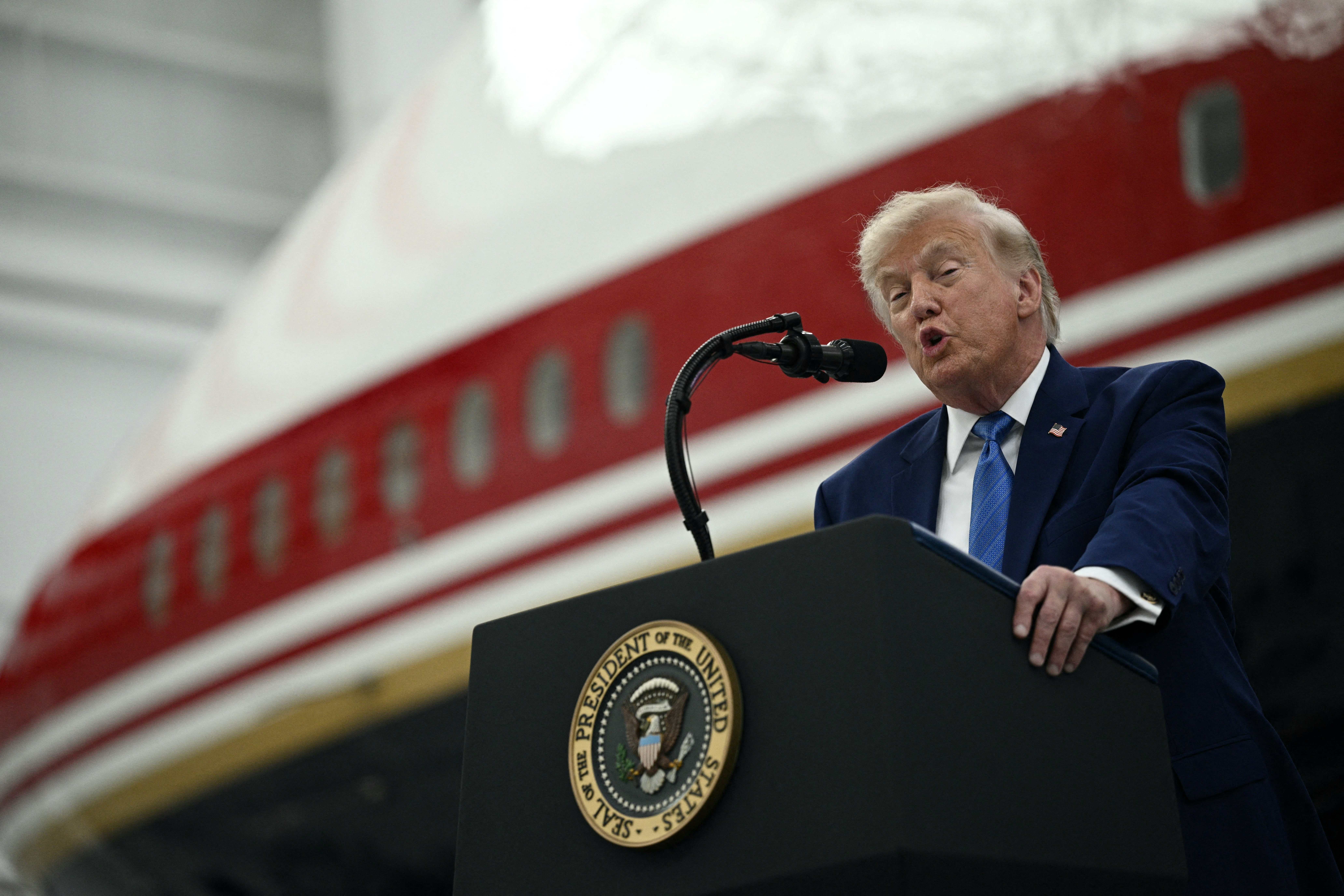
The deception required passengers to keep window shades closed, masking the fact that the commander-in-chief was no longer on board. Trump eventually rejoined the primary aircraft before landing to maintain the appearance of continuity. The administration provided no warning to those left behind, a move that has ignited debate over the government's duty of care toward non-essential personnel and journalists in high-risk zones.
Critics argue the maneuver treated staff and media as human shields. Joe Lockhart, a former White House press secretary, highlighted the lack of transparency compared to previous administrations, noting that protecting civilians should be a priority. Conversely, former officials like Joseph Hagin defended the secrecy, asserting that security protocols for the president inherently involve calculated risks for those within his orbit. Trump later defended the decision, citing Secret Service advice and claiming the smaller aircraft he boarded may have actually been the more likely target.


Comments (0)
No comments yet. Be the first!