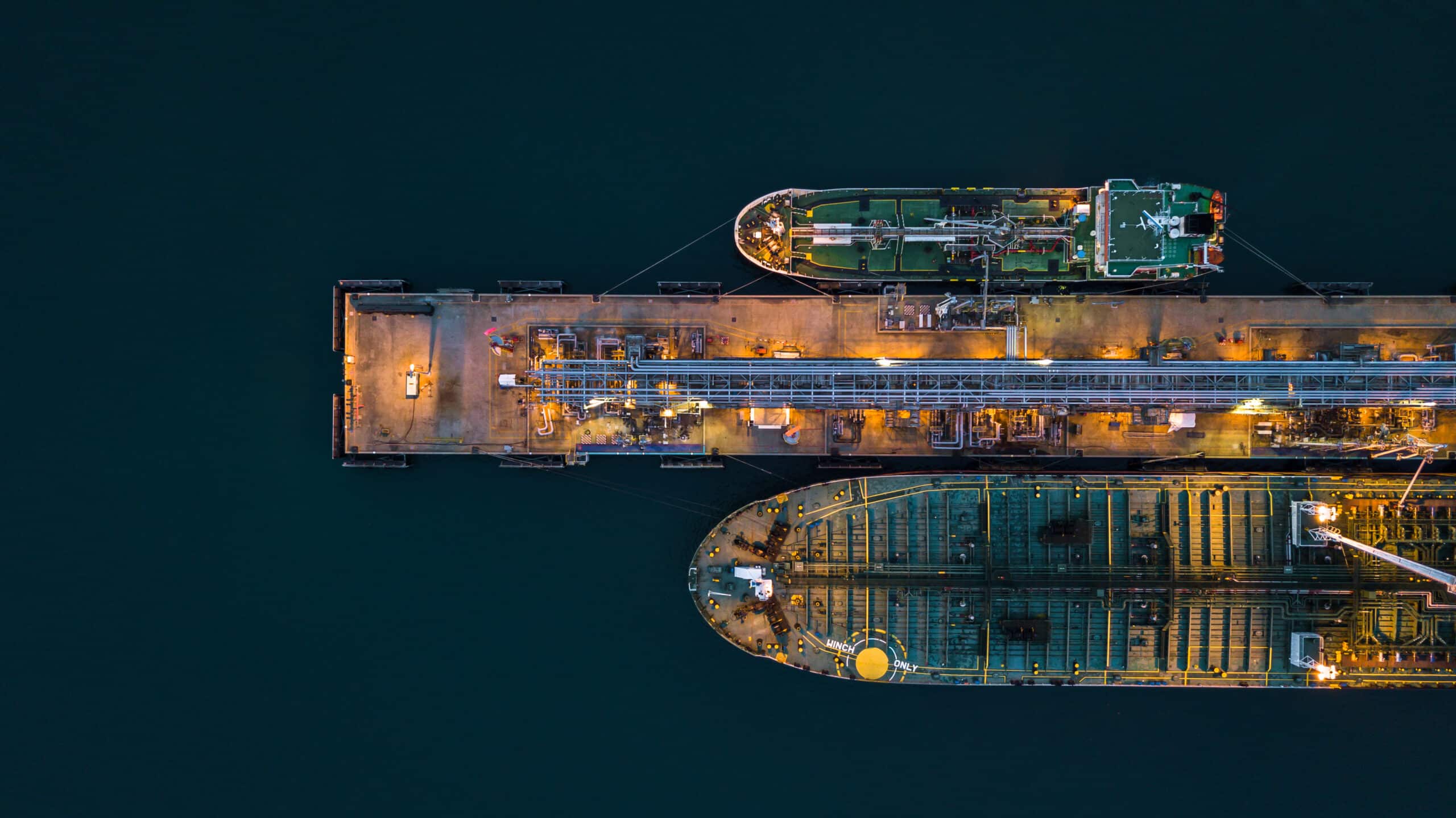
The shadow fleet, a sprawling network of 600 ageing vessels, relies on opaque ownership and mid-voyage reflagging to bypass the G7’s $60 price cap. In the Mediterranean, intercepting these ships is a logistical challenge but a tactical routine. In the Baltic, however, the stakes are fundamentally different. Russia’s primary export terminals at Primorsk and Ust-Luga funnel crude through the Great Belt, the Little Belt, and the Øresund—a maritime bottleneck where any boarding operation risks immediate escalation with Moscow.
NATO already views the Baltic as a high-friction zone. Following the January 2025 launch of the Baltic Sentry patrol mission, tensions have simmered over undersea infrastructure and territorial sovereignty. An Estonian attempt to intercept a tanker earlier this year resulted in a Russian fighter jet violating national airspace to provide an armed escort. Unlike the open waters of the Mediterranean, the Danish Straits leave no room for error. A boarding party there would not just be inspecting an uninsured tanker; they would be conducting a high-stakes standoff in one of the world’s most militarized corridors, where a single miscalculation could trigger a direct confrontation between NATO and Russian forces.



Comments (0)
No comments yet. Be the first!