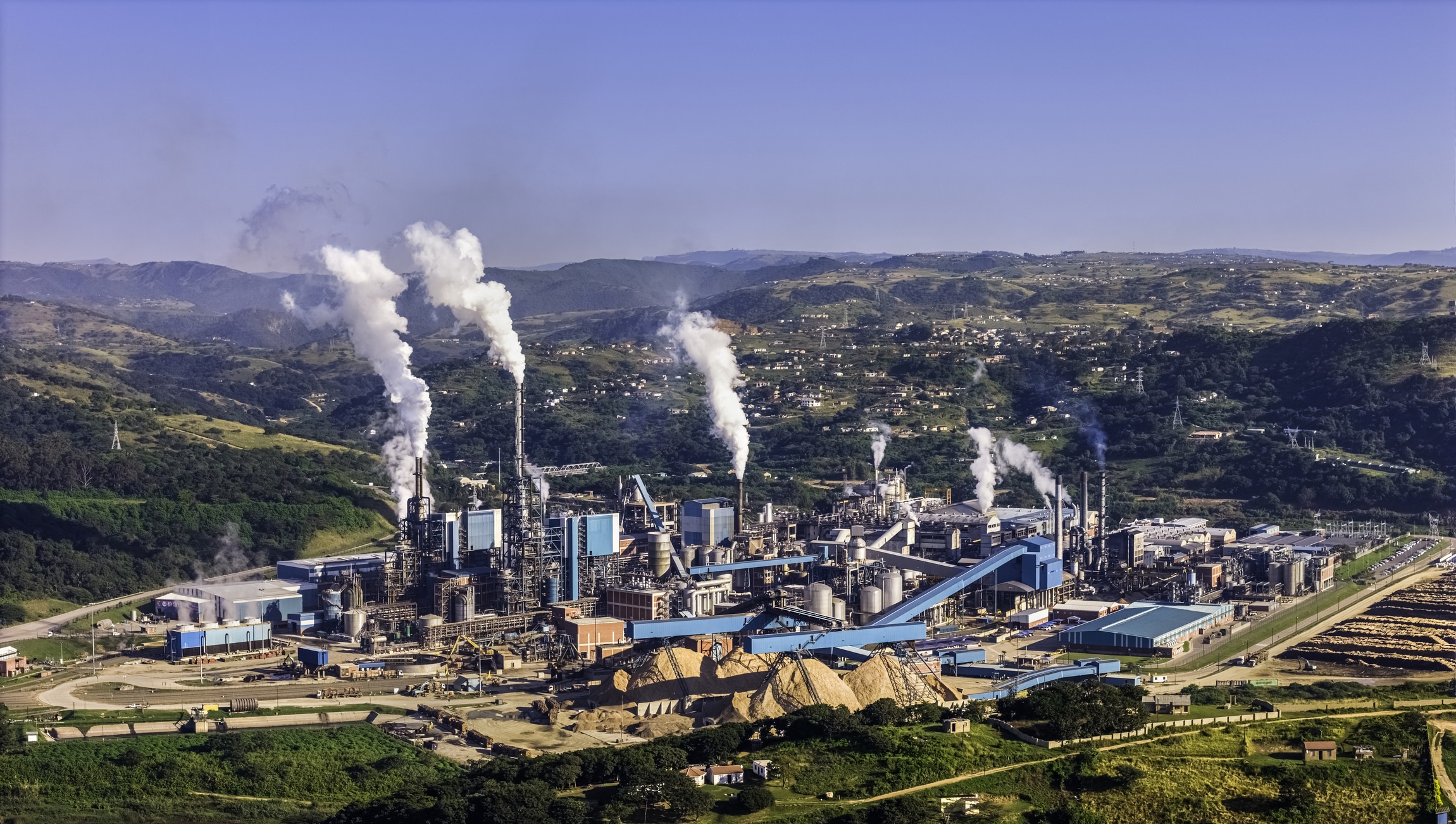
Researchers Livhuwani Nenngwekhulu and Ndivhuho Eunice Ratombo analyzed 27 years of World Bank data to understand the friction between capital inflows and job creation. Their findings reveal a sobering reality: while foreign direct investment shows a positive association with economic output, the statistical evidence is weaker than expected. More importantly, the model highlights a strong, persistent link between high unemployment and stagnant growth, suggesting that the labor market is the true bottleneck for the country’s development.
Investment projects that prioritize equipment and export capacity often bypass domestic suppliers and under-skilled workers. The study indicates that the value of a deal cannot be measured solely by the size of the initial capital inflow. Instead, the real impact depends on whether infrastructure, logistics, and labor skills allow firms to operate efficiently. When these local conditions are absent, foreign capital may improve national output figures without providing the necessary opportunities to a large, struggling pool of job seekers. For policymakers, this signals that investment promotion must evolve beyond simple deal-making to address the structural barriers—such as skills mismatches and spatial inequality—that prevent international capital from translating into local employment.




Comments (0)
No comments yet. Be the first!