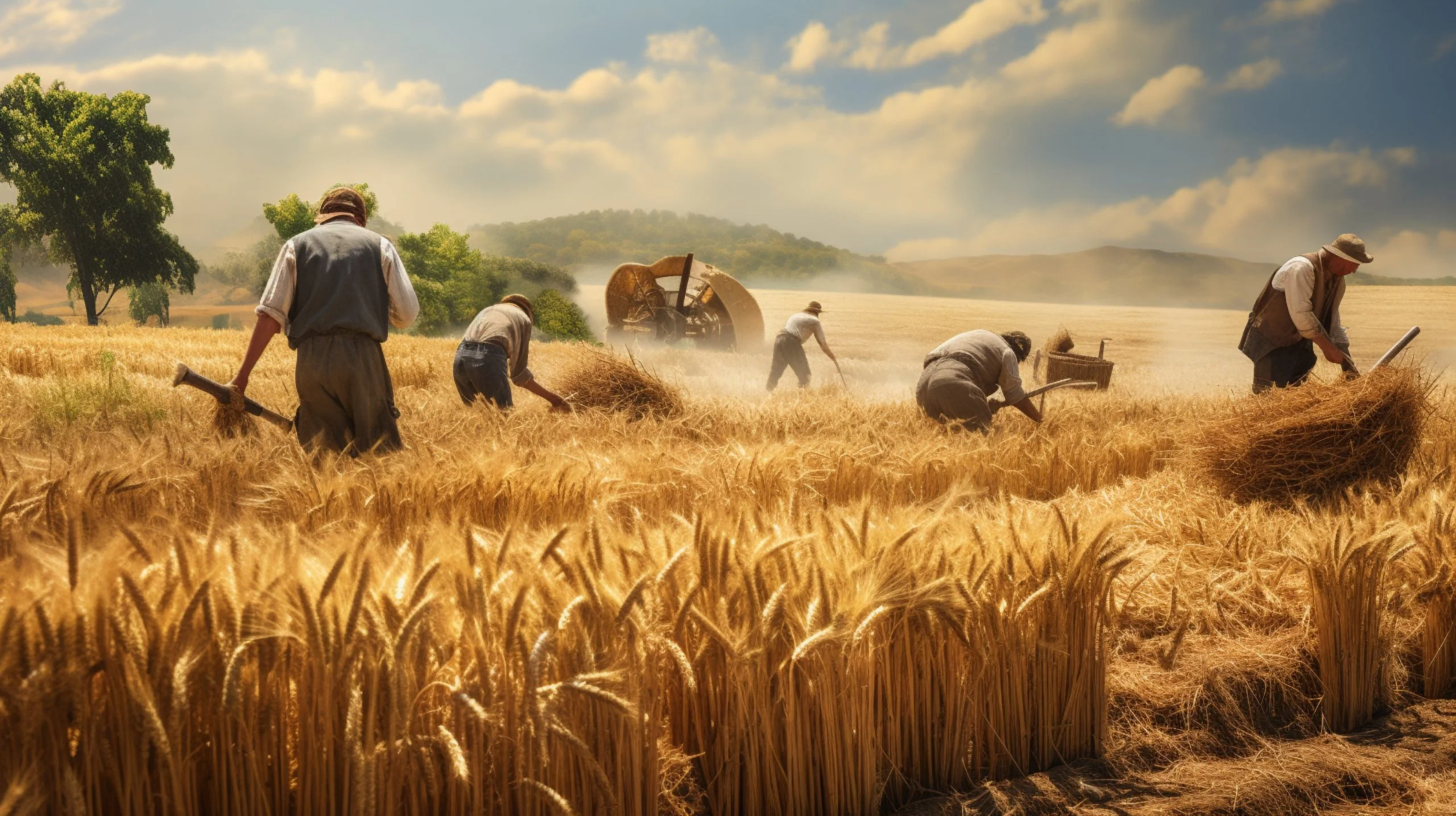
Agricultural production has consistently outpaced consumption in recent years, creating a surplus that acts as a shock absorber. Farmers in regions facing dryness are increasingly turning to sophisticated irrigation techniques and high-yield seeds to mitigate the impact of shifting weather patterns. Experts remain cautiously optimistic that these modern practices will prevent the severe disruptions seen during previous climate cycles.
Despite these technological gains, systemic vulnerabilities persist. Geopolitical instability in the Middle East remains a wildcard that could fracture supply chains and inflate costs for essential inputs. While current grain inventories remain robust enough to handle moderate output dips, the convergence of climate pressure and regional conflict continues to test the limits of global food security.




Comments (0)
No comments yet. Be the first!