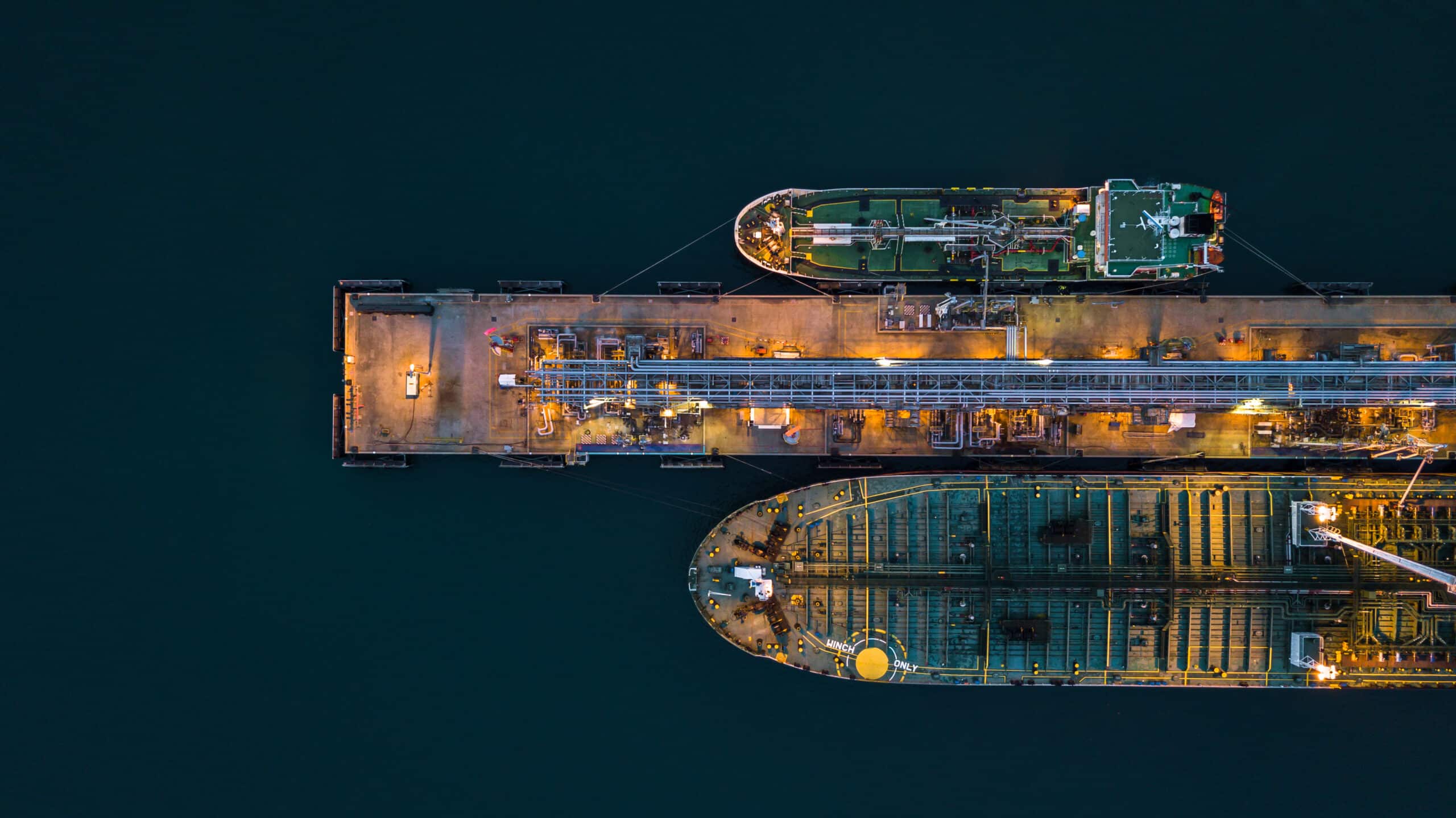
Brent crude futures climbed to $88.09 a barrel, while U.S. crude benchmarks reached $82.52, extending a 5% rally from the previous session. The friction intensified after Donald Trump rejected Iranian peace conditions, countering with demands for war reparations. Tony Sycamore of IG characterized the deadlock as a classic Mexican standoff, predicting that oil will likely hover between $75 and $95 until either side signals a concession.
This energy spike arrives at a critical juncture for the U.S. economy. With July’s consumer price report looming, economists warn that a "hot print" could force the Federal Reserve to reconsider its rate path. Higher fuel costs are already rippling through transportation and production sectors, complicating the efforts of central banks worldwide to manage inflation without triggering a recession. In Australia, the Reserve Bank opted to hold rates at 4.35%, explicitly citing the risks posed by unpredictable global energy costs.
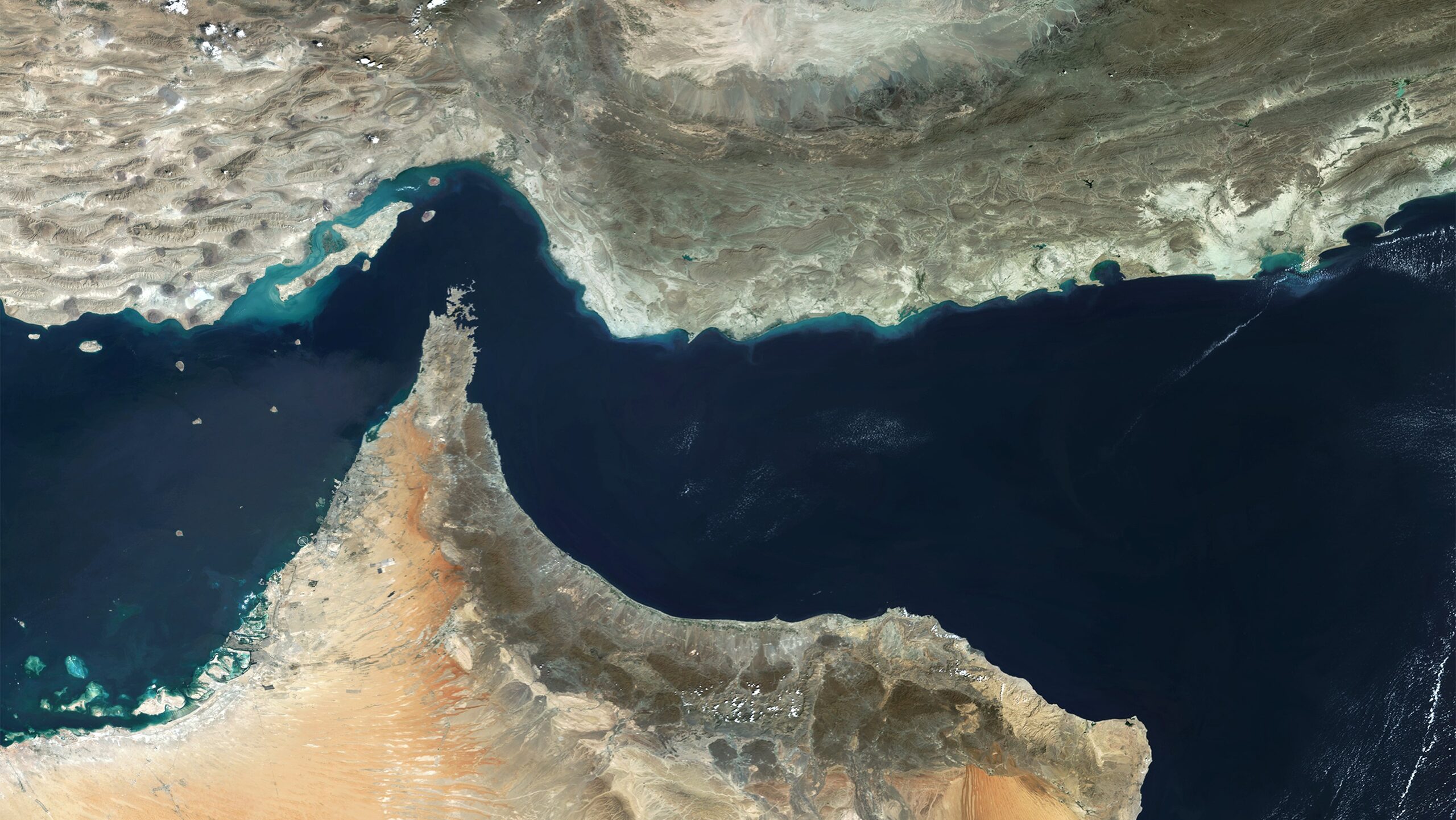
Meanwhile, Asian equities remain subdued as investors pivot between geopolitical anxiety and the massive capital flows into artificial intelligence. Nvidia’s announcement of a $500 billion financing initiative for AI infrastructure underscores the sector's aggressive expansion, even as broader market sentiment is dampened by the yen’s weakness and the looming threat of stagflation. The core risk for markets is no longer just the price of a barrel, but the duration of the Hormuz blockade, which threatens to turn a regional geopolitical tremor into a structural economic shift.

Comments (0)
No comments yet. Be the first!