
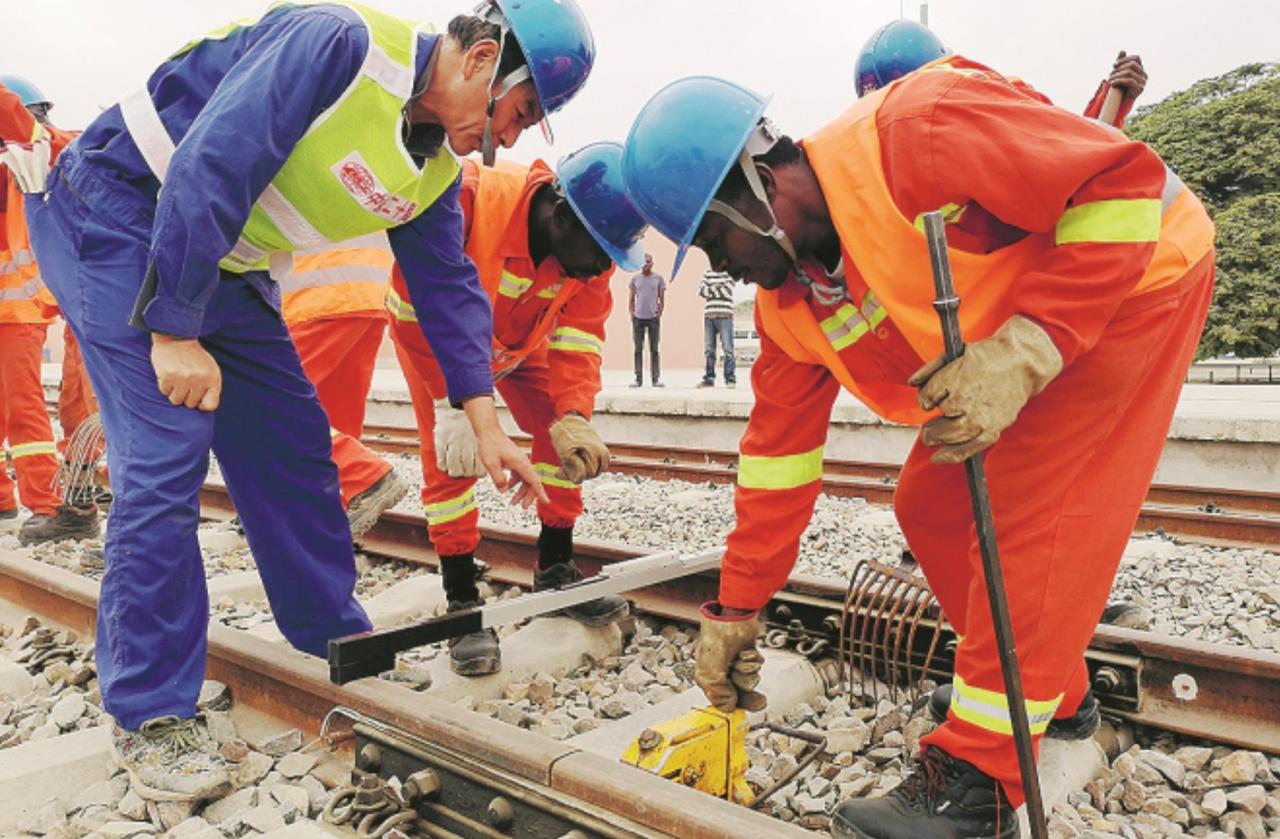
China’s strategy focuses on creating optionality rather than total autarky. By developing rail connections through Central Asia—most notably the routes through Chongqing to Kazakhstan—Beijing is establishing a viable land-based alternative to traditional sea lanes. These routes, including the 'Middle Corridor,' provide significantly faster transit times for time-critical goods compared to long-haul maritime shipping. Simultaneously, the warming Arctic is transforming the Northern Sea Route into a seasonal, high-efficiency pathway, effectively shortening the distance between East Asia and Europe by thousands of kilometers.
This infrastructure expansion fundamentally shifts the geopolitical leverage of transit nations. Countries like Kazakhstan and Pakistan are evolving from peripheral players into central nodes of a reconfigured trade map. While many of these corridors currently rely on heavy state subsidies to remain competitive against cheaper bulk maritime shipping, their existence forces a transformation in how power is exercised. By creating redundancy, Beijing is systematically eroding the automatic, unchallenged influence that historically accompanied Western control over global maritime geography. This shift is not a sudden revolution but a slow, structural recalibration of international commerce that prioritizes resilience over reliance.



Comments (0)
No comments yet. Be the first!