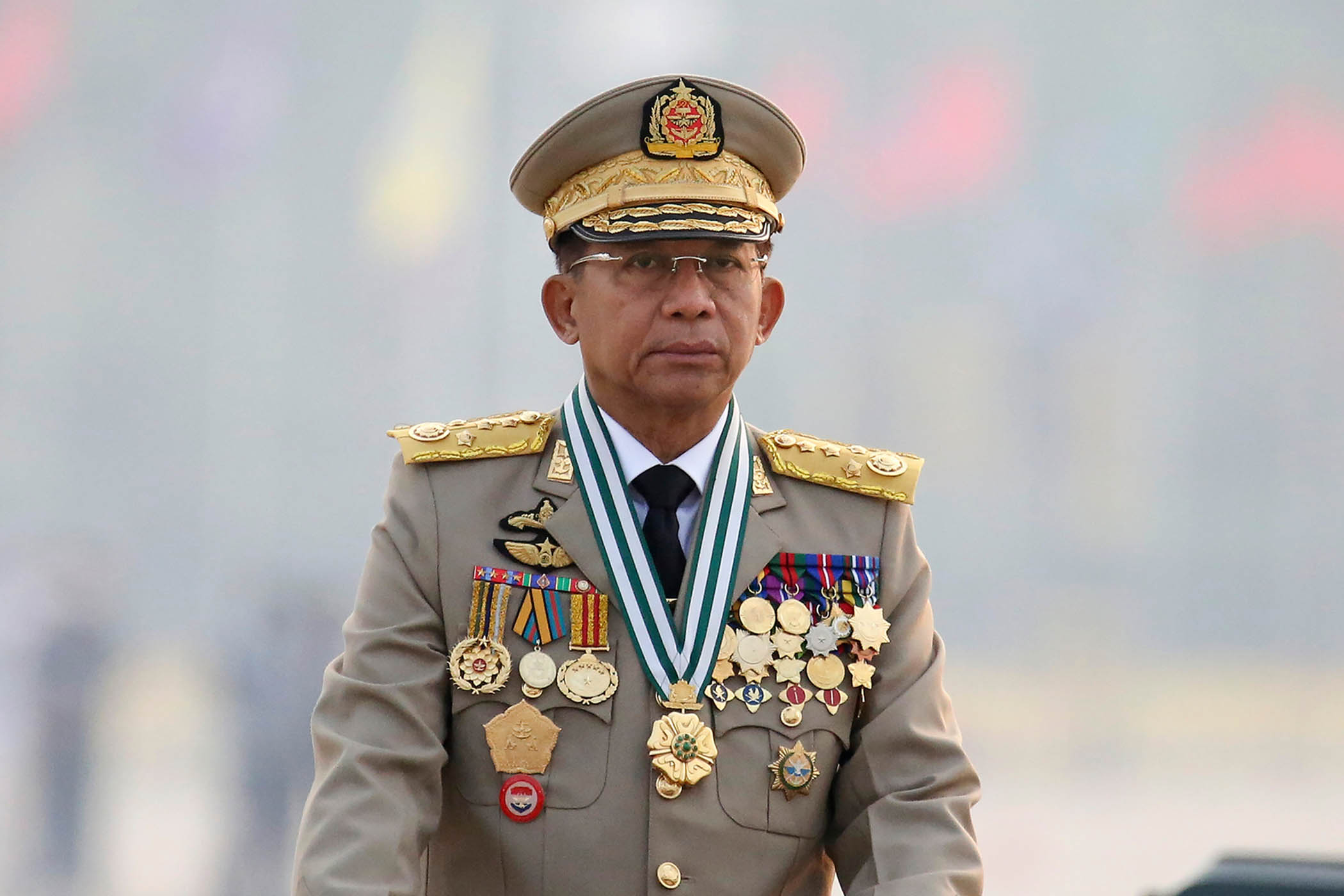
The military-backed administration claims that recent elections have rendered the role of the ASEAN special envoy obsolete, signaling a clear pivot away from the regional bloc’s established peace consensus. By asserting that its internal political transition is complete, the leadership in Naypyidaw is effectively attempting to normalize its position while resisting any external oversight of its domestic affairs. This stance directly clashes with ASEAN’s insistence on a structured dialogue, leaving the organization’s five-point peace framework in a state of diplomatic paralysis.
Thailand’s recent attempts to facilitate re-engagement have only added to the regional friction. While Bangkok seeks to secure its border and stabilize its neighbor, its high-profile reception of leader Min Aung Hlaing risks providing the military government with the international legitimacy it craves. However, the refusal to grant the ASEAN envoy access to the 81-year-old Suu Kyi—who remains imprisoned despite a recent nominal reduction in her sentence—highlights the limits of such engagement. As the junta continues to prioritize consolidation over compromise, ASEAN faces a critical test of its relevance and its ability to influence a member state that increasingly views international diplomacy as an unwelcome interference.



Comments (0)
No comments yet. Be the first!