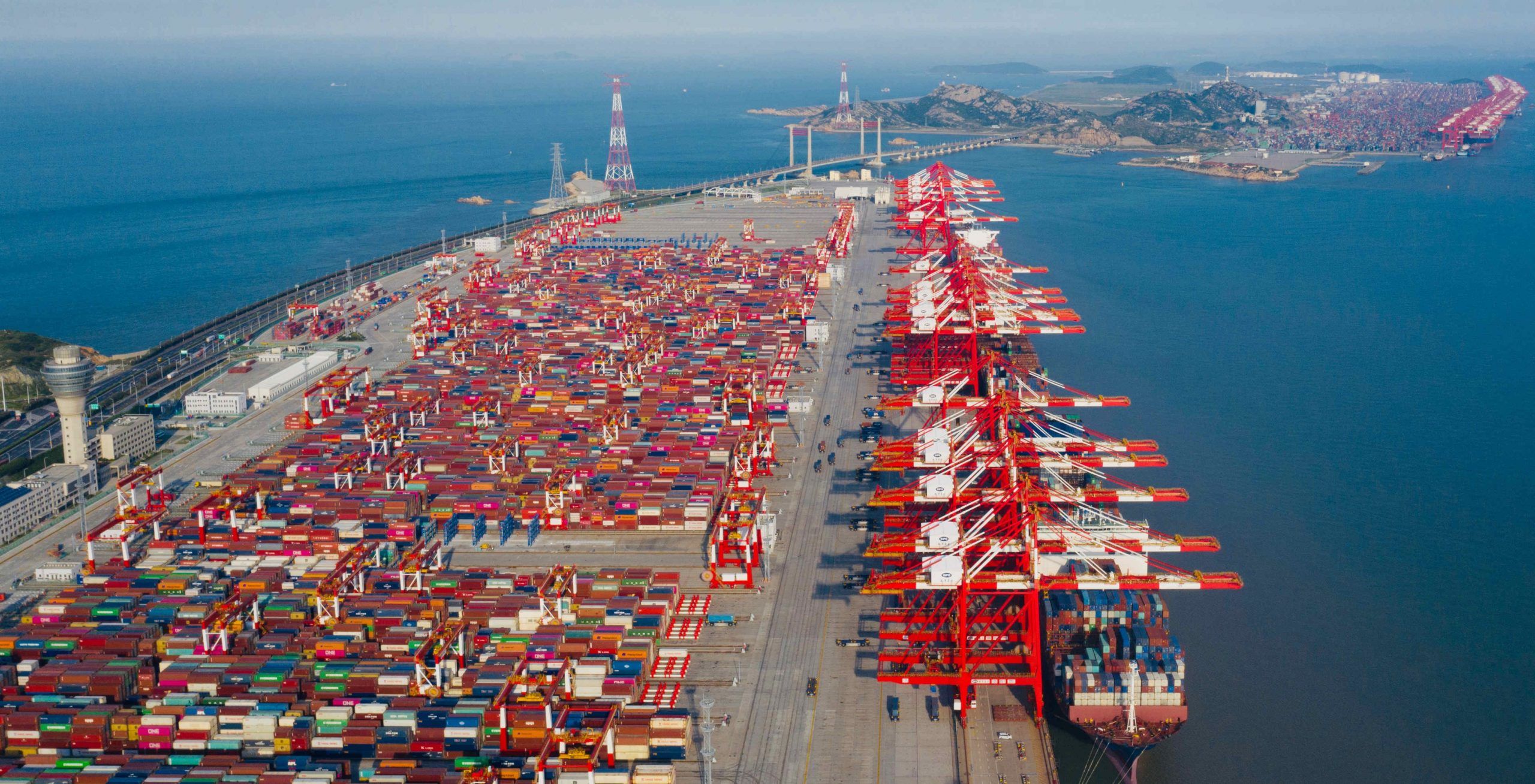
China’s export surplus has reached staggering levels this year, standing in sharp relief against sluggish retail sales and lackluster GDP growth at home. By flooding global markets with advanced manufactured goods, the government is attempting to anchor its economic future in international demand rather than domestic spending. This pivot, however, has set the nation on a collision course with major trading partners who view the influx as a direct threat to their own industrial bases.
Washington and Brussels are responding with a suite of new tariffs, aiming to shield domestic labor markets from the sudden surge of low-cost Chinese goods. In turn, Chinese firms are rapidly shifting their strategy, establishing manufacturing hubs abroad to bypass these trade barriers and maintain their global footprint. This calculated maneuver creates a volatile landscape where the survival of China's heavy industry hinges on its ability to navigate an increasingly hostile international regulatory environment.



Comments (0)
No comments yet. Be the first!