The kingdom’s approach, defined by a dual focus on diplomatic engagement and deterrent signaling, reflects a departure from the reactive policies of the past. Riyadh’s refusal to permit its territory for military strikes against Iran signaled a clear desire to avoid entanglement, yet that stance was tested as the conflict intensified. By late March, the kingdom transitioned to more explicit warnings, reportedly launching retaliatory strikes against Iran-aligned groups to protect its interests. These actions were not intended to abandon diplomacy but rather to provide the necessary leverage to secure an informal de-escalation.
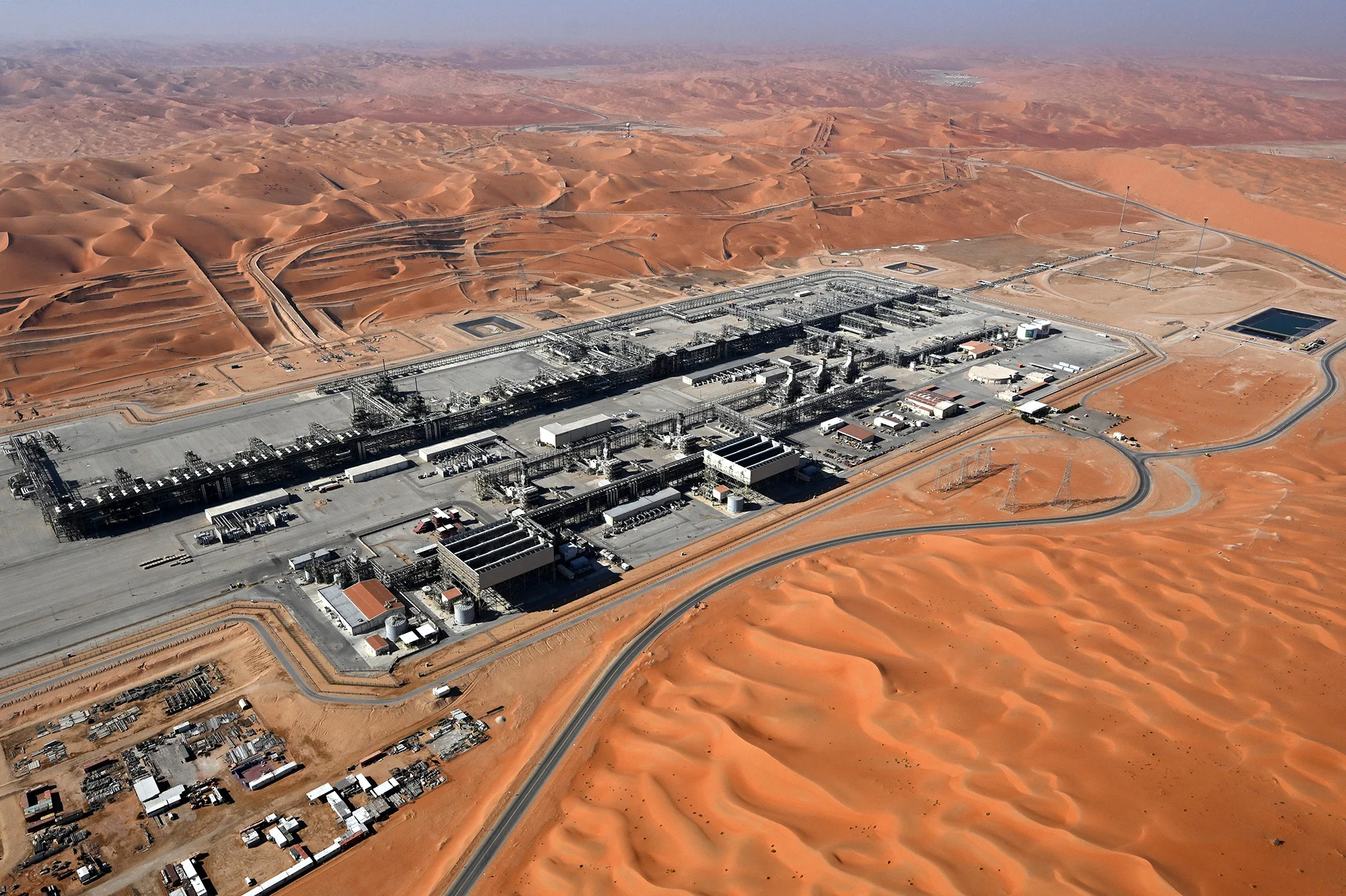
Economic imperatives under Vision 2030 further complicate this landscape. Saudi Arabia’s reliance on critical infrastructure, including the East-West Pipeline and Red Sea export routes, makes it uniquely vulnerable to regional instability. While the kingdom has invested in diversifying its energy transit, the interconnected nature of maritime security means that shifting risk from the Strait of Hormuz often exposes new vulnerabilities elsewhere. Consequently, Riyadh is pivoting toward a more proactive role in regional security, spearheading multinational maritime initiatives to reduce its dependence on external protection.
This evolution marks a transition toward a more reciprocal security partnership with the United States. Rather than relying solely on American air and missile defenses, Riyadh is increasingly seeking to integrate its own defensive capabilities with those of its international partners. The resulting strategy is one of managed interdependence, where Saudi Arabia balances its long-standing alliance with Washington against the necessity of maintaining strategic autonomy and regional stability.




Comments (0)
No comments yet. Be the first!