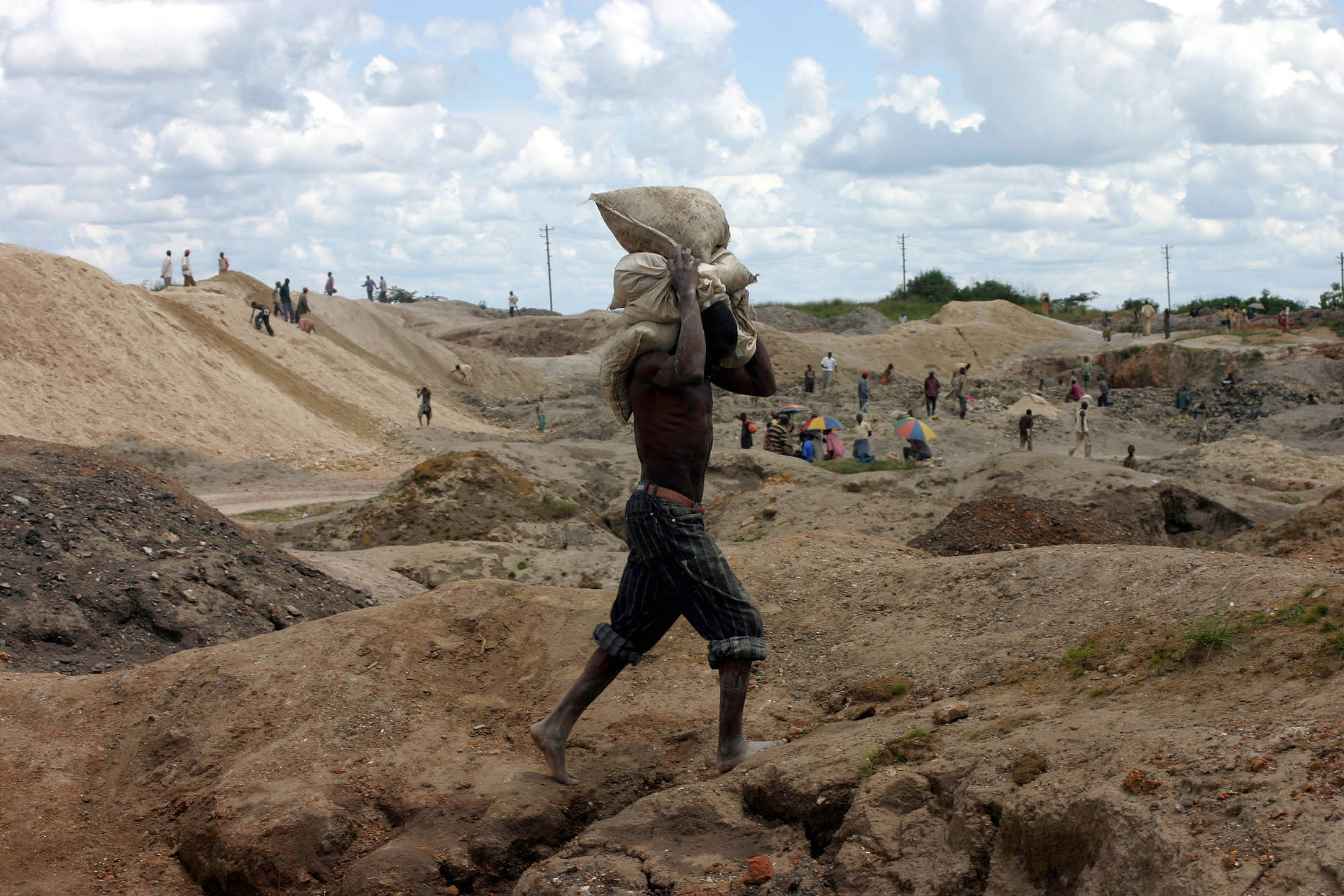
The government order, signed by Mines Minister Louis Kabamba Watum and his counterparts in foreign trade and economy, took effect immediately. While the decree imposes a strict prohibition, it allows for one-year strategic waivers, though specific criteria for these exemptions remain undefined. This policy pivot replaces a 2023 framework and introduces a new tax regime targeting economically significant mining by-products, applying a 55% valuation coefficient to trace minerals recovered during the refining process.
Market reaction was swift, with three-month copper prices on the London Metal Exchange climbing 1.8% to $14,369.50 per metric ton. Despite the sudden shift, industry experts suggest the disruption may be limited. Most of the country's output is already refined domestically, with official records showing first-quarter 2026 exports of 696,725 tons of refined copper cathodes against only 53,926 tons of concentrate. Christian-Geraud Neema, a mining analyst at the China-Global South Project, noted that the Kamoa-Kakula venture—a partnership between Ivanhoe Mines, Zijin Mining, and the state—remains the most exposed, as it currently relies on exemptions to export its concentrate. Neither Ivanhoe nor the Congolese chamber of mines provided immediate comment on the potential operational impact.




Comments (0)
No comments yet. Be the first!