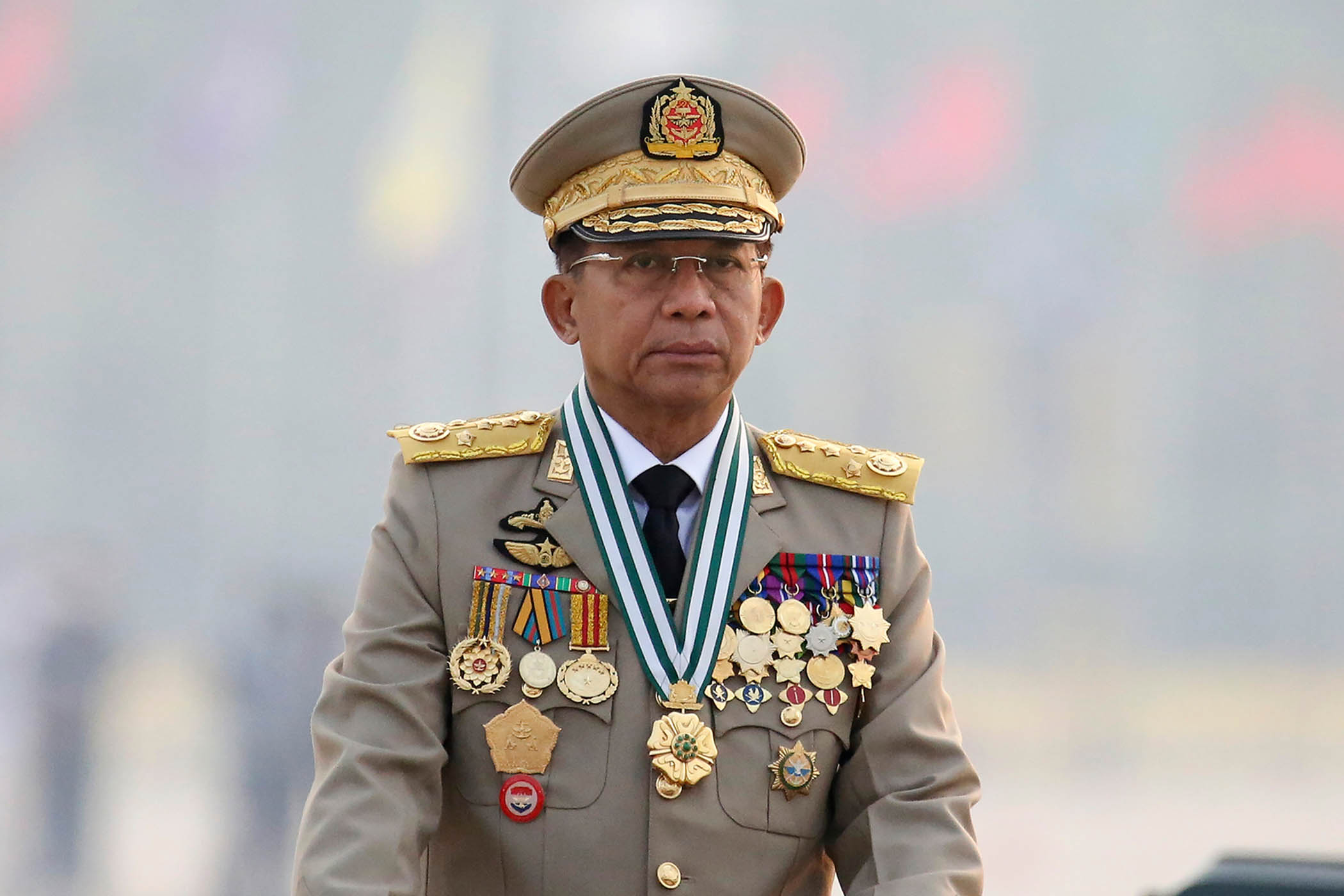
The Five-Point Consensus (5PC) was intended to mark a historic shift for ASEAN, moving the organization from simple conflict management toward active resolution. By barring junta leaders from high-level summits and demanding the release of Aung San Suu Kyi, the bloc briefly signaled a departure from its rigid adherence to non-interference. However, that momentum has stalled as mainland members, including Thailand, Vietnam, and Cambodia, pursue bilateral re-engagement with Min Aung Hlaing’s regime.
Min Aung Hlaing has leveraged these visits to undermine the 5PC’s legitimacy, explicitly rejecting the role of the ASEAN Special Envoy and pushing his own alternative roadmap. While maritime members like the Philippines and Singapore maintain that Myanmar’s leadership remains excluded from summits due to non-compliance, the regime’s growing diplomatic footprint suggests the 5PC is losing its teeth. This erosion of a unified stance threatens more than just the Myanmar peace process; it challenges the bloc’s broader aspiration for "ASEAN Centrality"—the ability to act as a cohesive, steering force in regional security. As the consensus fractures, the organization’s attempt to evolve beyond its process-oriented nature faces a potential standstill, leaving its institutional reforms vulnerable to the return of its traditional, inward-looking status quo.



Comments (0)
No comments yet. Be the first!