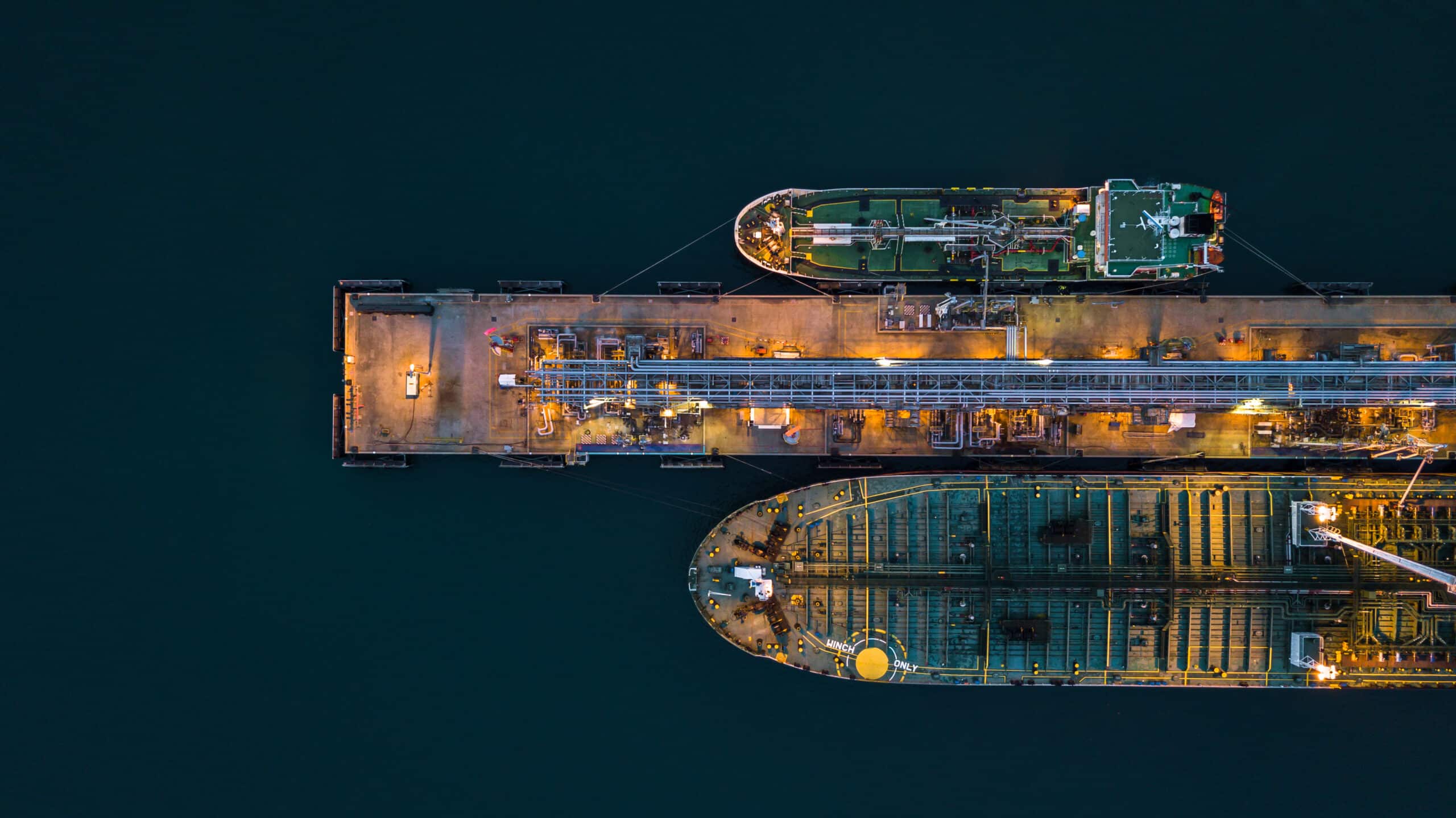
Since the 28 February closure of the Strait of Hormuz—which halted 20% of global oil trade—the region has drifted through a series of failed ceasefires and collapsed memorandums. While Tehran demands million-dollar tolls and Houthi forces threaten Saudi ports, the Joint War Committee and various P&I clubs have become the de facto regulators of the world’s most vital energy chokepoints. Their designation of "Listed Areas" dictates the flow of commerce far more effectively than the diplomatic posturing in Islamabad or Riyadh.
The industry is currently bracing for a "simultaneous closure nightmare," a scenario where both the Strait of Hormuz and Bab el-Mandeb are blocked. By pricing war-risk cover based on satellite tracking and loss data, these underwriters have created a de facto blockade policy. When the spot rate for a crude carrier to China quadrupled to $77.96 per tonne, the market responded to an actuarial judgment rather than a state decree. In this vacuum of geopolitical authority, the insurance industry’s updates serve as the only reliable signal for the global energy market.



Comments (0)
No comments yet. Be the first!