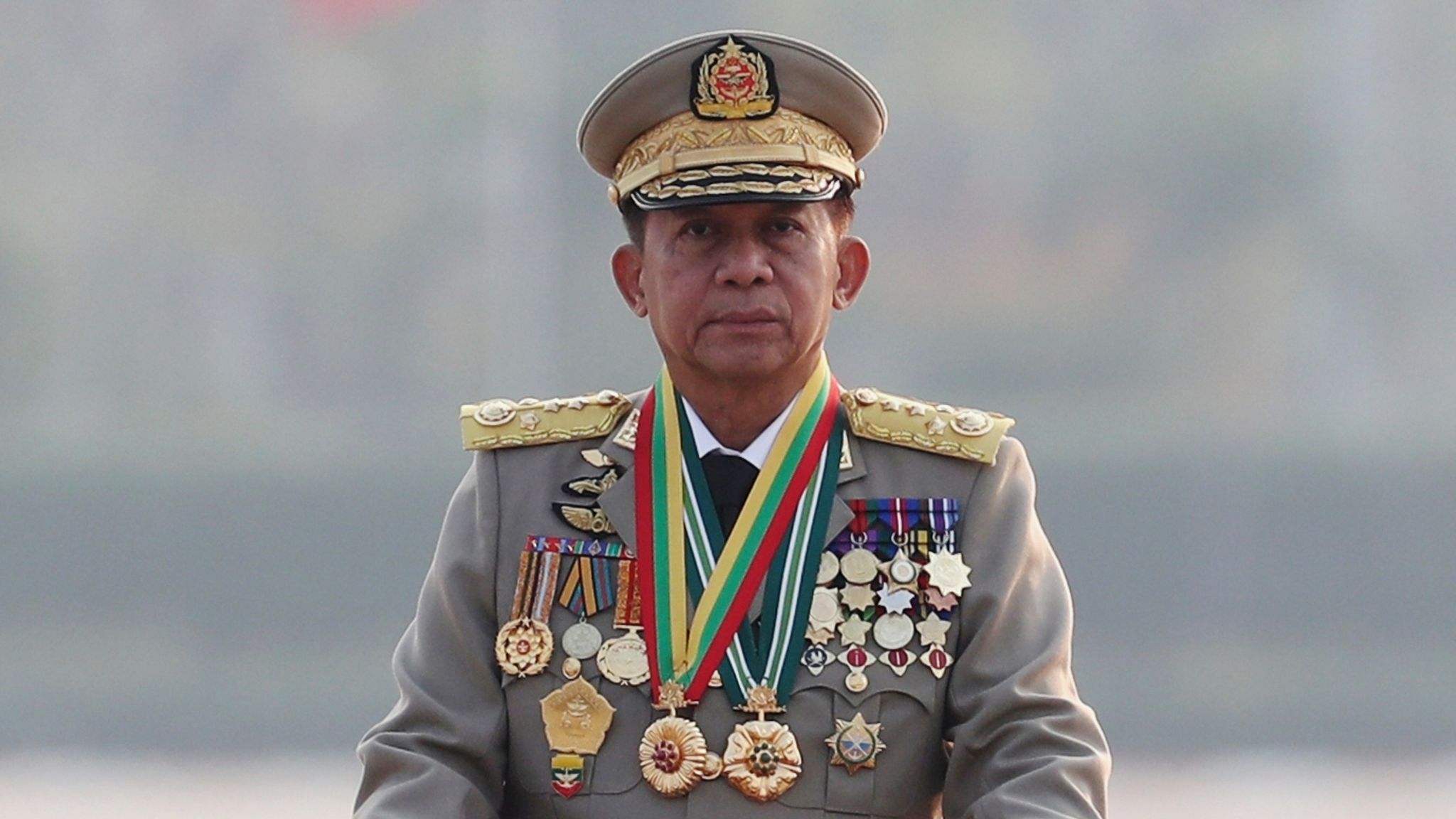
The retired general, who seized power in a 2021 coup, arrived in Thailand to promote a "calibrated re-engagement" strategy. While Bangkok officials frame the visit as a necessary bridge to bring Myanmar back into the ASEAN fold, the optics of the red-carpet ceremony highlight the tension between diplomatic necessity and the reality of a country torn by civil war. Min Aung Hlaing insisted his government is committed to democracy and regional stability, yet these assurances clash with reports of intensified aerial bombing campaigns and the displacement of thousands.
Thailand faces a delicate balancing act. As one of the largest foreign investors in Myanmar—with deep stakes in energy, manufacturing, and banking—Bangkok is eager to stabilize its neighbor's economy. However, critics warn that this proximity risks conferring legitimacy on a regime that has largely ignored the regional bloc's peace initiatives. Dulyapak Preecharush, an expert at Thammasat University, notes that the line between pragmatic engagement and tacit endorsement is thinning. The recent, unexpected access granted to Aung San Suu Kyi by the International Committee of the Red Cross may provide the thin veneer of progress needed for Thailand to justify its outreach, yet the path to genuine normalization remains fraught with skepticism from ASEAN members.

Comments (0)
No comments yet. Be the first!