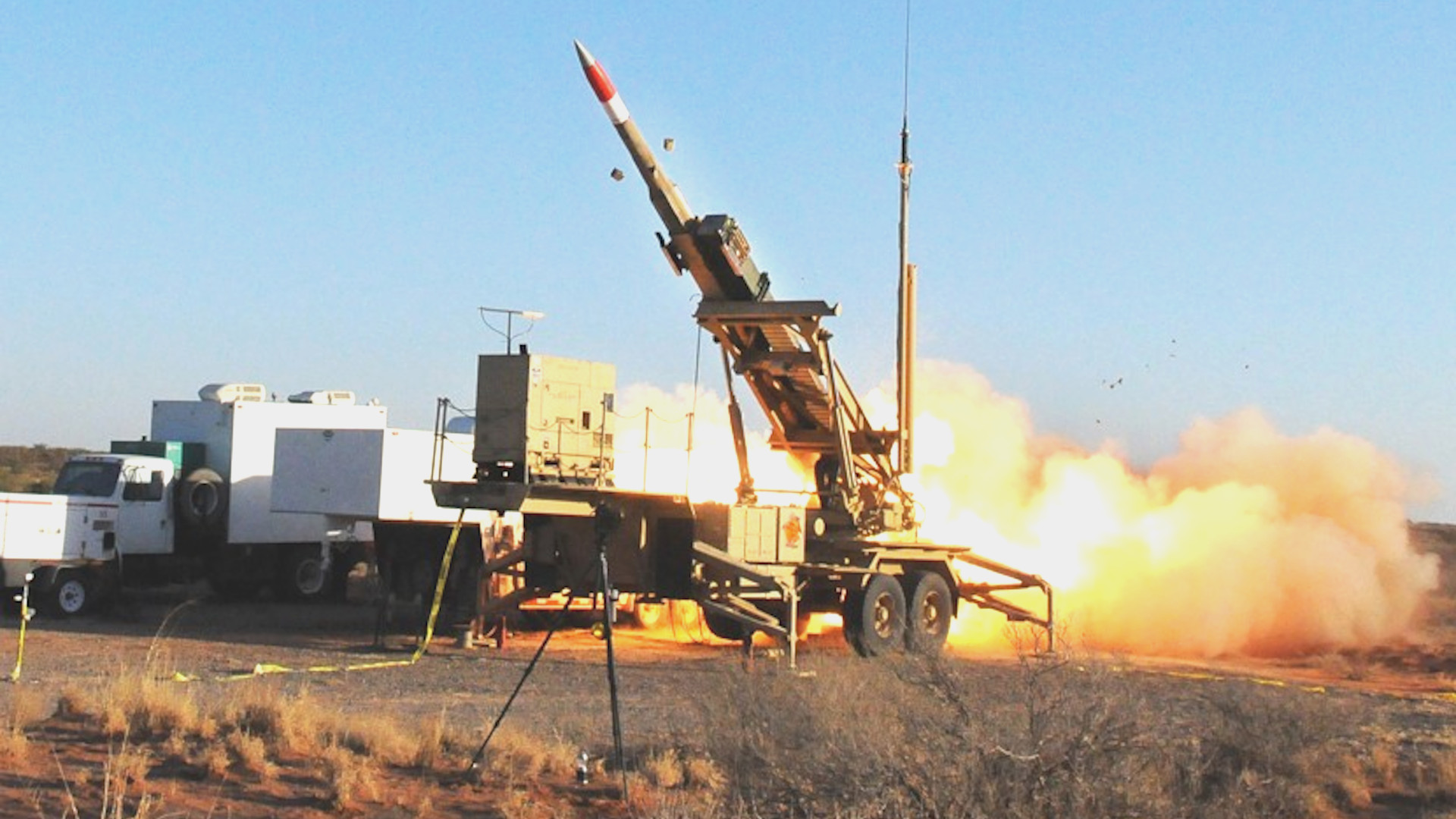
The proposed deal would allow Ukraine to produce specific components for the PAC-3, the most advanced version of the Patriot system, which are then sent to Europe for final assembly. This approach aims to circumvent security concerns previously raised by U.S. military officials and industry executives regarding the transfer of sensitive technology. Among the potential pathways being explored is a model where parts manufactured in Ukraine are completed in Germany, where existing production infrastructure for Patriot systems is already expanding.
Despite Trump’s recent remarks suggesting the U.S. should remain cautious about such licensing, sources familiar with the internal deliberations confirm that no order has been issued to halt discussions. The urgency for Kyiv is extreme; President Volodymyr Zelenskiy recently warned that Ukraine has exhausted its current supply of interceptors, leaving the country vulnerable to incoming fire. Even if a manufacturing agreement is finalized, officials note that actual production typically requires years to reach full capacity. Consequently, the administration is also weighing options for Ukraine to join Lockheed Martin’s new lower-cost missile program, the PAC-3 Adapted Capability Effector, while continuing to pressure allies to transfer existing stocks to fill immediate gaps.


Comments (0)
No comments yet. Be the first!