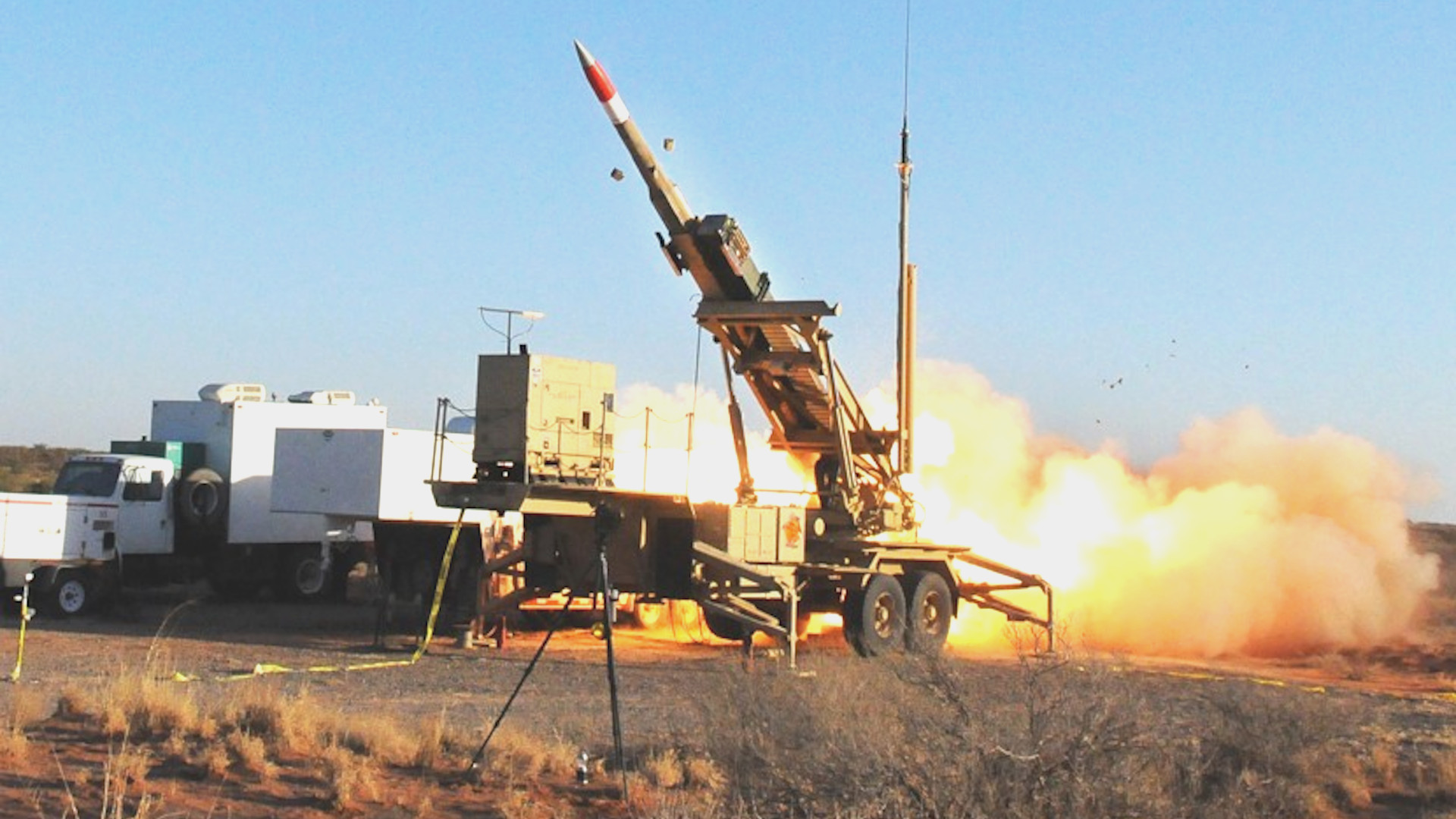
The proposed deal centers on a pragmatic compromise: Ukraine would manufacture specific components locally, which would then be shipped to Germany for final assembly. This arrangement aims to bypass the security concerns cited by U.S. military officials and industry leaders, who have long cautioned against establishing full-scale production lines within a war zone. U.S. Ambassador to NATO Matthew Whitaker is currently spearheading these discussions, recently meeting with Ukrainian officials and arms manufacturers to evaluate technical feasibility.
Trump’s stance remains a significant variable. While he initially signaled support for a manufacturing license during a meeting in Ankara, he later expressed skepticism at the White House, telling reporters the U.S. must be cautious about sharing sensitive production capabilities. Despite this shift, sources confirm that no orders have been issued to suspend the talks. Vice President JD Vance has reportedly offered private reassurances to President Volodymyr Zelenskiy that presidential commitments would be honored, keeping the diplomatic channel open.
Even if a formal agreement is reached, logistical hurdles remain. Establishing new production lines typically requires three to seven years, meaning the deal would serve as a long-term strategy rather than an immediate fix for Kyiv’s current munitions shortage. Ukraine is simultaneously pursuing other avenues, including the potential integration into Lockheed Martin’s lower-cost PAC-3 Adapted Capability Effector program and coordinating swaps with European allies to bridge the gap until domestic production can begin.


Comments (0)
No comments yet. Be the first!