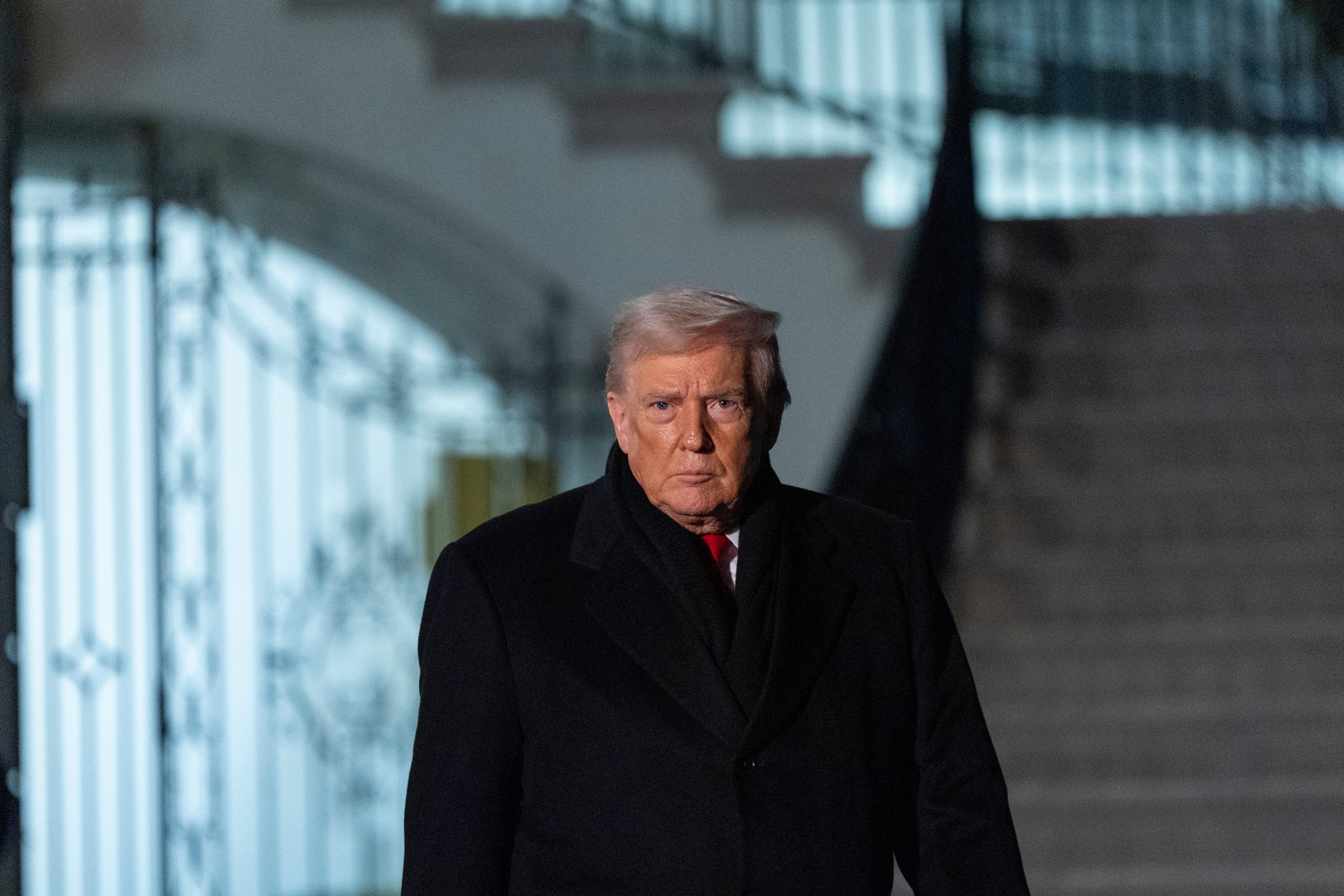
Treasury Secretary Scott Bessent and Secretary of State Marco Rubio have both cited progress in discussions to restore traffic through the Strait of Hormuz, a critical artery for roughly 20% of global oil and liquefied natural gas shipments. Rubio noted that while a final agreement remains elusive, he anticipates a resolution shortly. Qatari Foreign Ministry spokesperson Majed al-Ansari echoed this sentiment, describing diplomatic contacts as having reached highly progressive stages with assistance from Pakistan and Oman.
Despite these overtures, the geopolitical reality remains volatile. Tehran has explicitly denied President Donald Trump’s claim that formal talks are underway, with Foreign Ministry spokesperson Esmaeil Baghaei stating that current discussions are limited to transit logistics with Oman. Furthermore, the maritime corridor remains effectively paralyzed by ongoing hostilities. The UK Maritime Trade Operations reported a fresh attack on a dry bulk vessel near the strait, while India confirmed the sinking of one of its ships near Yemeni waters. As military resources, specifically long-range missile stockpiles, face depletion, the administration struggles to reconcile its initial war objectives—including the dismantling of Iran's nuclear program—with the escalating costs of a prolonged regional blockade.



Comments (0)
No comments yet. Be the first!