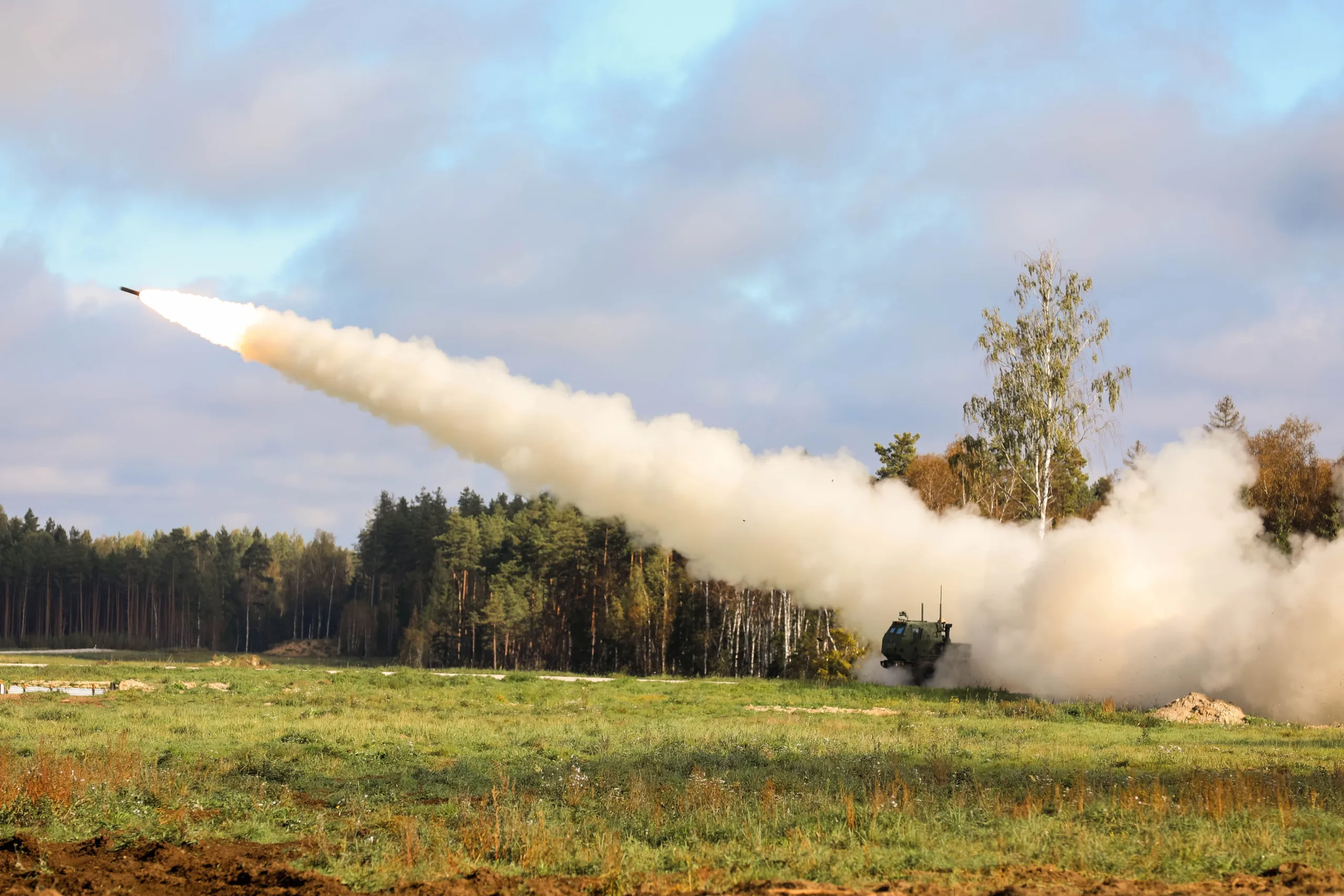
The depletion centers on the Army Tactical Missile Systems (ATACMS) and the newer Precision Strike Missiles (PrSM). While these weapons allow for precision strikes from safe distances—a critical advantage in contested environments—their heavy utilization has forced the Trump administration into tense internal debates regarding the sustainability of current operations. Sources indicate that Central Command has been forced to pull from global reserves to sustain the campaign, as local theater stockpiles were largely emptied early in the conflict.
Strategic concerns extend beyond land-based munitions. Recent data from the Center for Strategic and International Studies (CSIS) suggests that approximately 65% of Patriot interceptors have been expended since February, while THAAD ballistic missile interceptor stocks have dropped by at least 38%. Additionally, nearly half of the global supply of Tomahawk cruise missiles has been utilized. Analysts emphasize that these defensive and offensive systems are vital for confronting adversaries with sophisticated air defenses, making the current drawdown a significant liability for broader U.S. national security posture.
President Donald Trump has dismissed concerns over the dwindling arsenal, asserting that defense contractors are currently producing munitions at record levels and that the U.S. maintains an unmatched global supply. However, military leaders have reportedly cautioned the White House that the current rate of consumption threatens readiness. While the Pentagon maintains that it possesses sufficient capabilities for ongoing operations, the reliance on these high-cost, limited-supply assets remains a point of friction between the administration and its military advisers.




Comments (0)
No comments yet. Be the first!