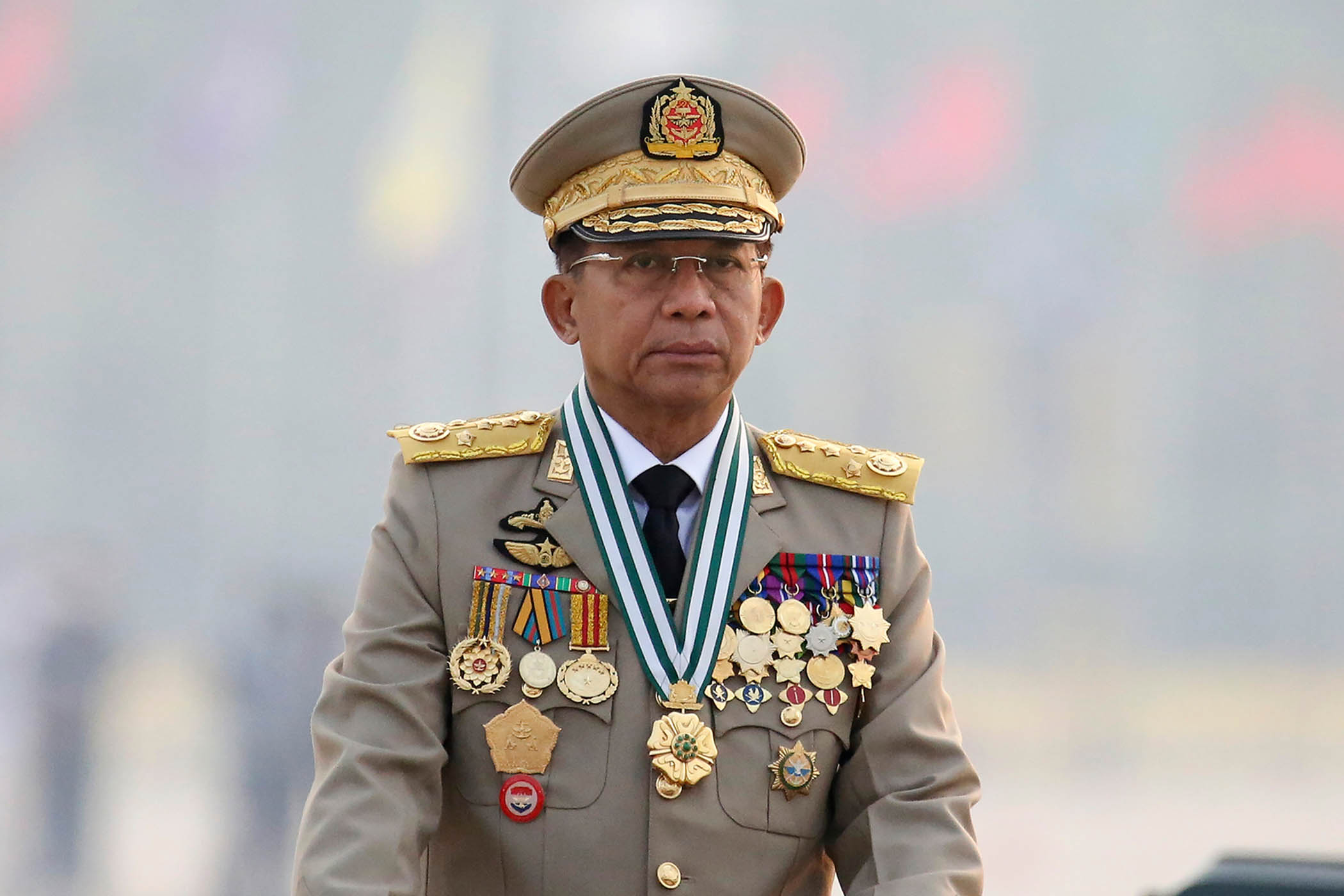
Anutin advocates for a pragmatic shift, arguing that the bloc’s adherence to the Five-Point Consensus must evolve to address shifting realities on the ground. He points to a rare, recent interaction between detained leader Aung San Suu Kyi and the International Committee of the Red Cross as a sign that keeping communication channels open can yield humanitarian progress. This stance places Bangkok at odds with member states like the Philippines, where officials maintain that Myanmar’s return to full participation remains distant until the junta demonstrates tangible democratic progress.
The Risks of Pragmatism
Critics warn that such outreach risks granting international legitimacy to a regime that seized power in 2021 and orchestrated elections widely dismissed as illegitimate. For Thailand, however, the strategy is driven by necessity. Sharing a porous border with Myanmar, Bangkok faces the immediate consequences of the ongoing conflict, including refugee displacement and economic instability. While the push for engagement seeks to secure better humanitarian access, it leaves ASEAN vulnerable to accusations that it is prioritizing regional convenience over the collective pressure required to force a transition to civilian rule. The upcoming talks in August will serve as a critical barometer for whether this flexible approach can produce actual concessions or merely validate the status quo.



Comments (0)
No comments yet. Be the first!