In 2019, entrepreneur Moe Kasugai launched KOREC, a startup designed to bridge the gap between bright South Korean university graduates and Japanese employers. Her initiative has gained significant momentum as South Korean youth navigate a 7.0% unemployment rate, a stark contrast to Japan’s 2.5% overall rate. While major South Korean conglomerates like Samsung often favor seasoned professionals, Japanese companies continue to offer structured training programs for entry-level applicants. This year, government-backed programs facilitated 2,257 placements for young Koreans in Japan, a 47% increase that positions Japan as the leading destination for South Koreans seeking overseas employment.
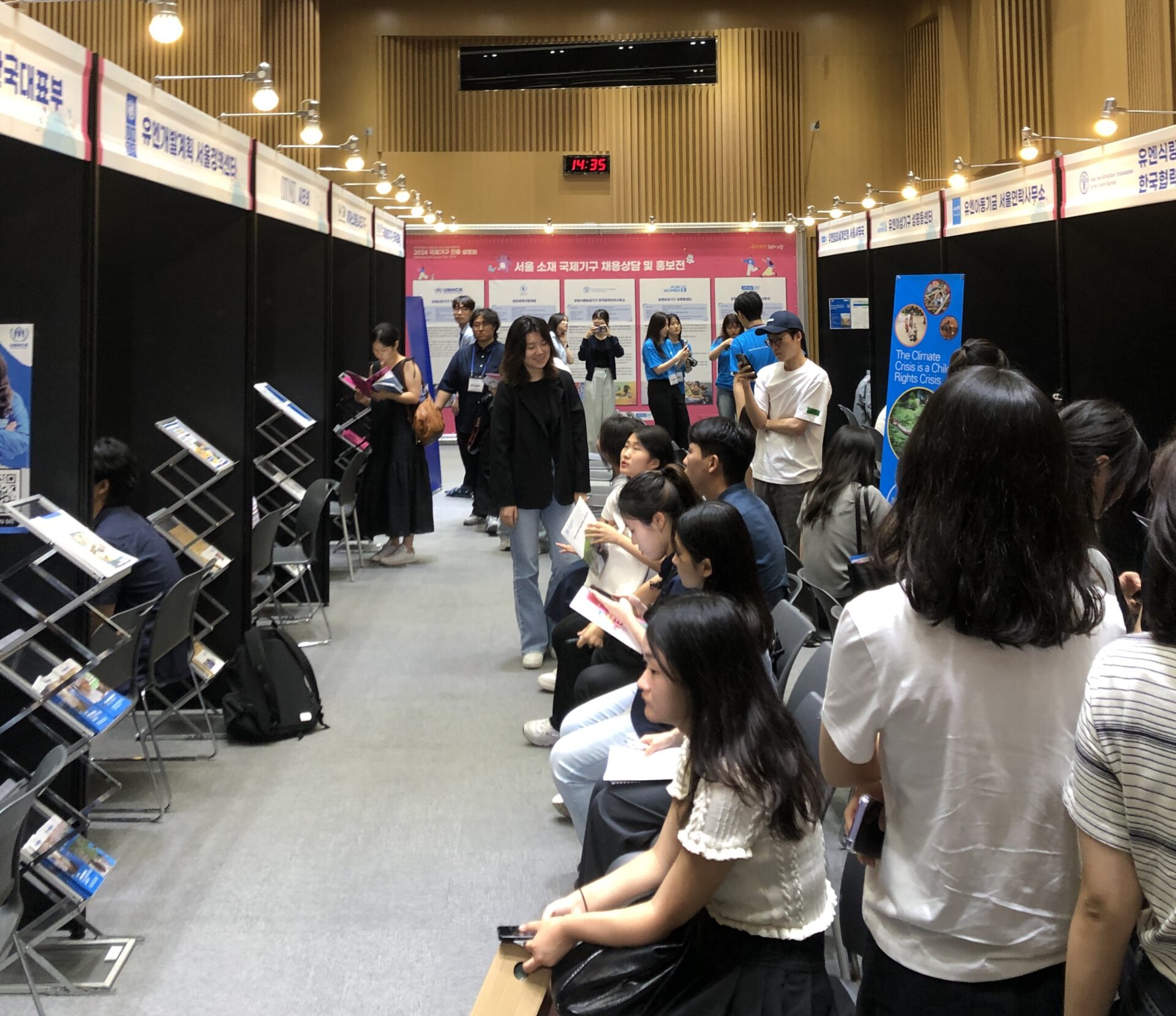
Beyond the recruitment data, the influx of talent is reshaping professional ties. Unlike many migrant workers in Japan who occupy blue-collar roles, South Koreans are frequently landing positions in IT, game development, and retail. Student Kim Si-hyeon, who attended a recent KOREC-hosted fair in Seoul, noted that the promise of on-the-job training is a primary draw—a benefit rarely provided by domestic firms. Experts like Professor Lee Chang-min of Hankuk University highlight that the cultural and linguistic proximity of Korean candidates makes them exceptionally attractive to Japanese recruiters, who value their diligence and speed.
However, the transition is not without friction. Japanese firms, long accustomed to lifetime employment models, are struggling to adapt to the tendency of Korean employees to switch jobs for better pay and faster advancement. Despite these retention hurdles and historical diplomatic tensions, the trend is deepening personal connections between the two nations. Marriage rates between the two nationalities are rising, and tourism is at an all-time high, suggesting that the professional migration is fostering a broader cultural exchange that transcends corporate interests.




Comments (0)
No comments yet. Be the first!