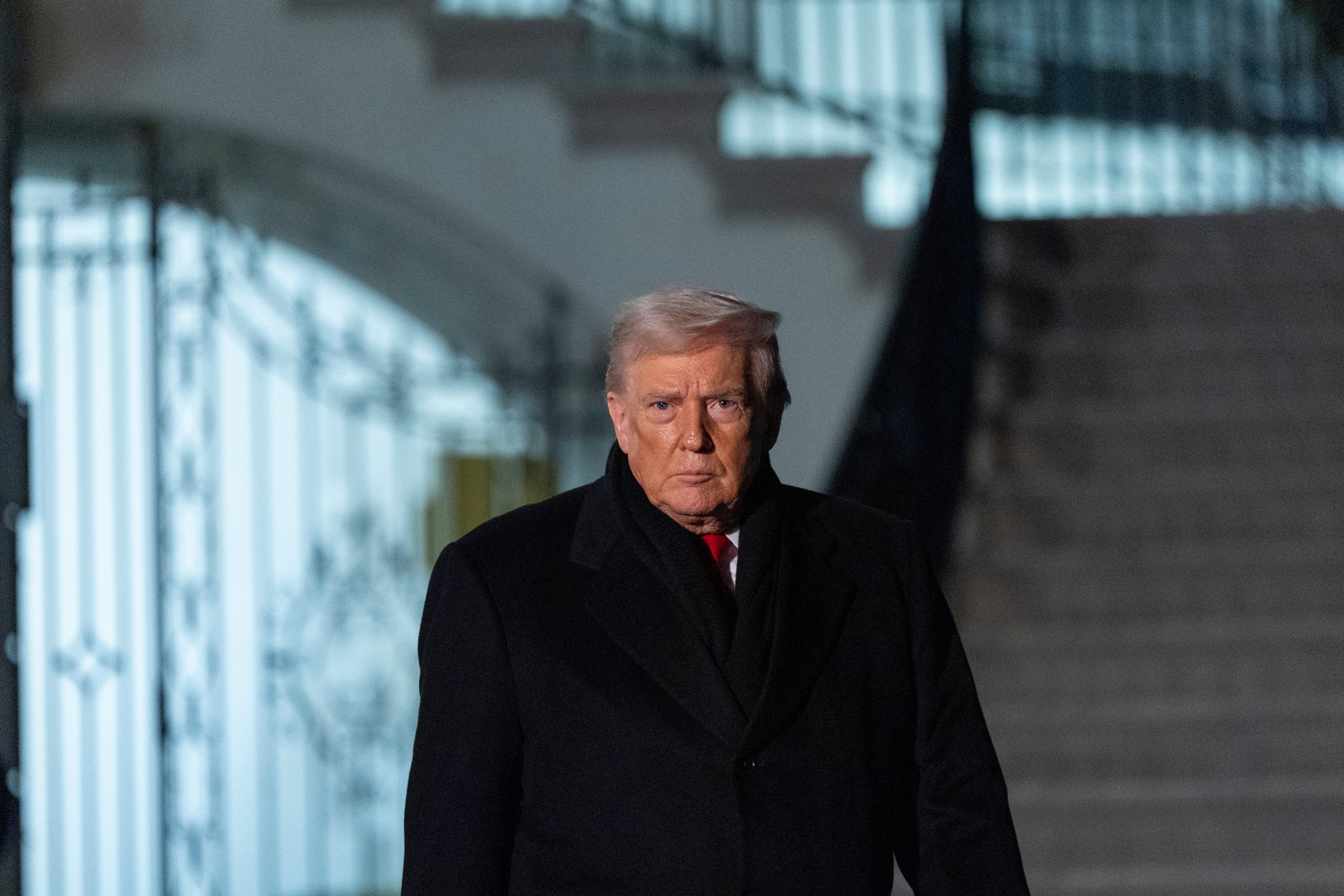
The president, writing on his Truth Social platform, claimed that Iran and other Middle Eastern nations sought a window to finalize terms that would secure the region's energy transit routes. Trump framed the decision as a pursuit of global stability, noting that Israel aligns with this diplomatic pivot. However, the administration’s optimism faces significant hurdles, as Tehran has issued stern warnings against any American or Israeli military adventurism. Foreign Minister Abbas Araqchi cautioned that any aggression would trigger a decisive and proportionate response, extending that warning to any regional states facilitating U.S. actions.
Energy markets remain on edge as the conflict, which began with strikes on February 28, continues to disrupt global supply chains. Brent crude futures have surged 24% in July, with analysts anticipating further volatility. Tehran’s security-affiliated outlets have explicitly threatened to target energy infrastructure in Saudi Arabia, the United Arab Emirates, and Qatar if U.S. forces resume hostilities. Meanwhile, maritime security in the region is deteriorating, with reports of tanker damage near Oman and drone activity over Kuwait, further complicating the administration's efforts to balance its geopolitical objectives with the mounting economic pressure at home.


Comments (0)
No comments yet. Be the first!