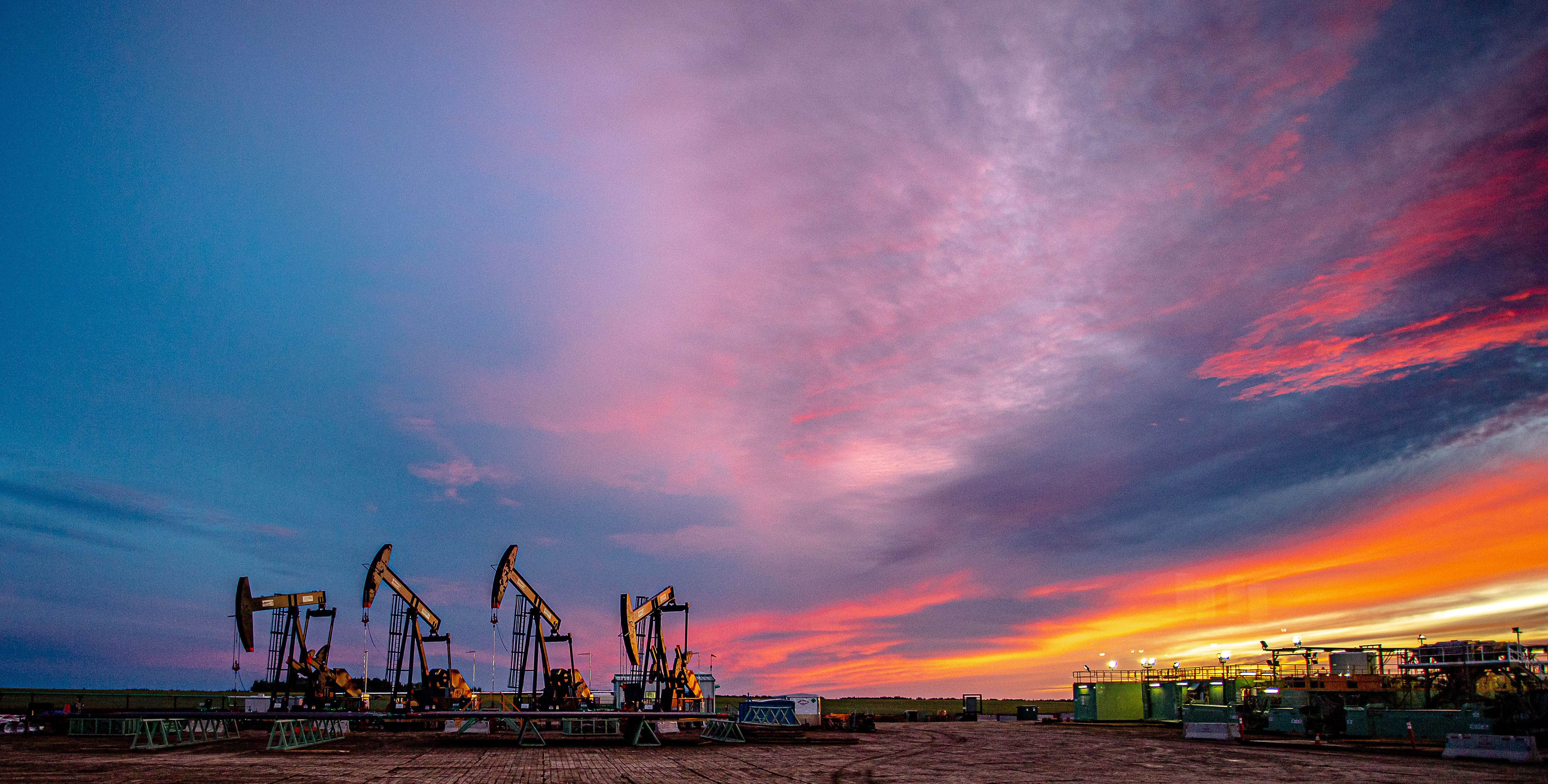
The warning followed Saturday phone calls between Araqchi and his counterparts in Turkey, Pakistan, and Saudi Arabia. Tehran’s rhetoric intensified after Kuwaiti military officials reported the destruction of hostile drones targeting domestic energy facilities. Nournews, an outlet linked to Iran’s security apparatus, explicitly threatened that any U.S. strikes on Iranian infrastructure would leave regional energy assets burned to ashes.
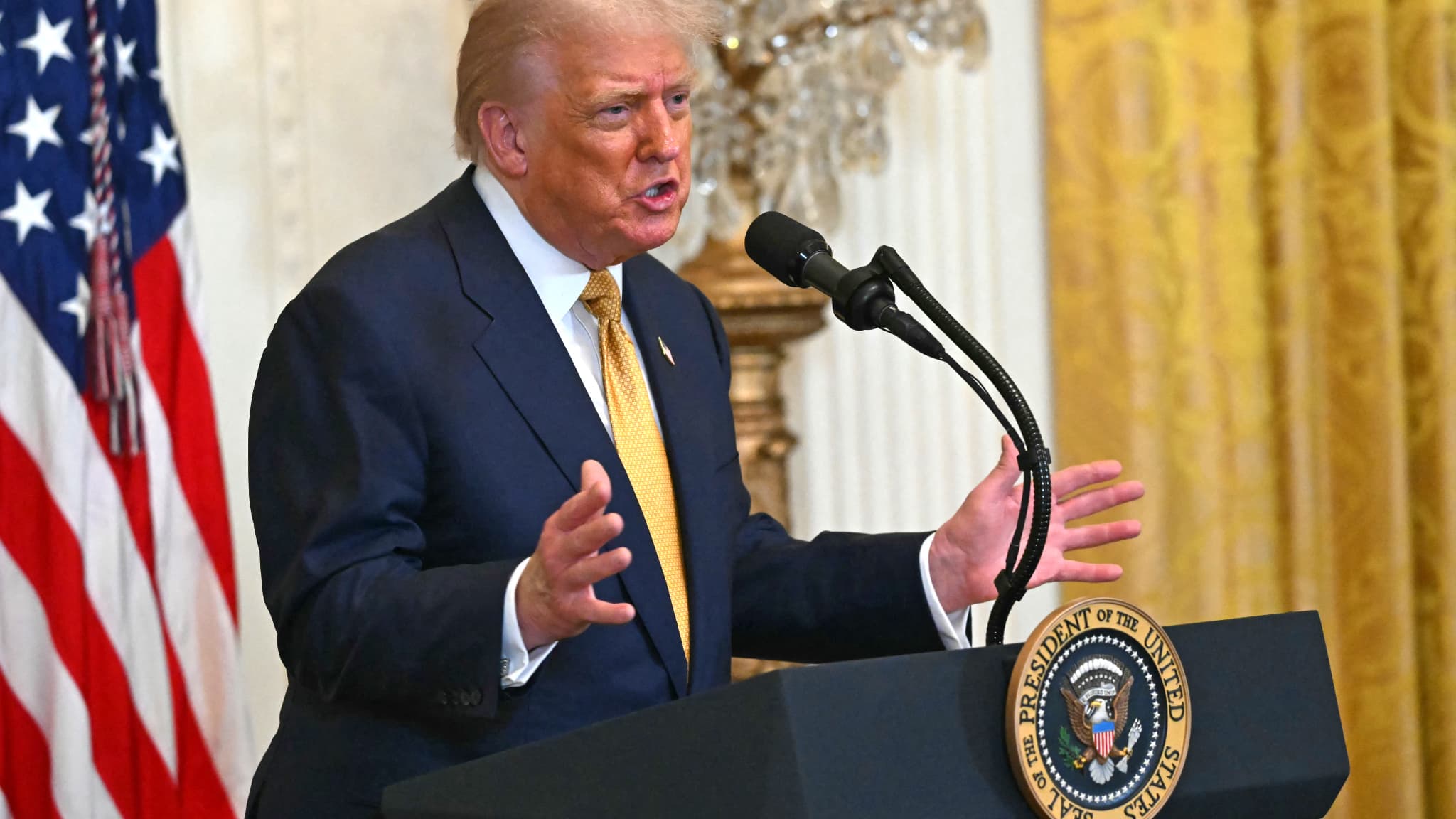
President Donald Trump, while maintaining that his administration seeks a diplomatic breakthrough via negotiators like Marco Rubio and Jared Kushner, has simultaneously signaled a waning patience with Tehran. The conflict, which escalated sharply following February 28 strikes, continues to disrupt global supply chains. Brent crude futures have climbed 24% since July, as the Strait of Hormuz remains largely impassable for commercial shipping. Further complicating the regional landscape, Houthi militants in Yemen have extended threats to the Bab el-Mandeb strait. Recent maritime incidents off the coast of Oman, including a projectile strike on a tanker, underscore the mounting instability threatening global energy transit routes.


Comments (0)
No comments yet. Be the first!