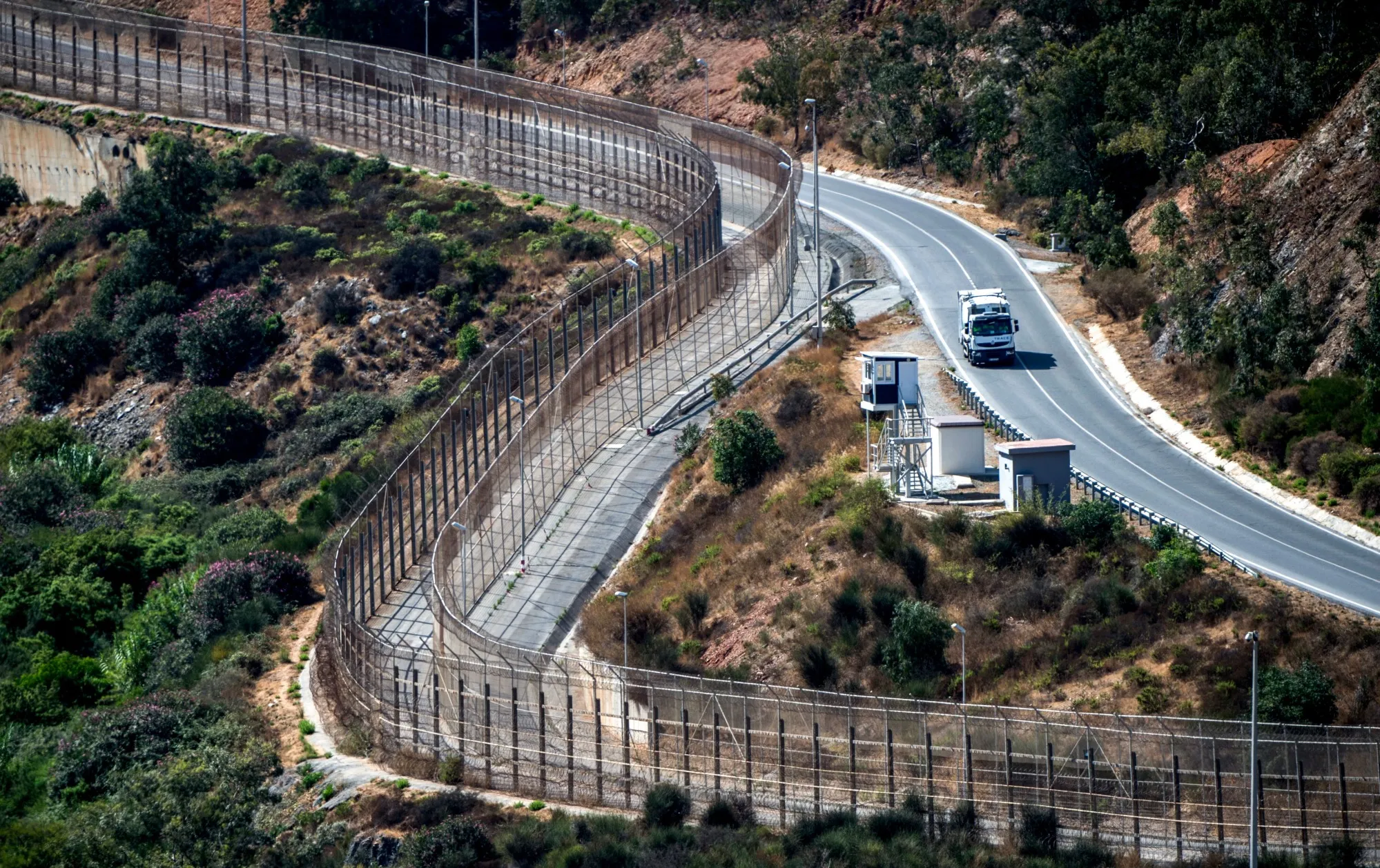
The pneumatic installation, consisting of anchored naval buoys, is designed to sit up to 70 centimetres above the waterline while extending a metre below the surface. This tactical move follows a chaotic 48-hour period where tens of thousands crossed the border by land and sea, an unprecedented event for one of the European Union’s only land frontiers with Africa. While Spanish authorities report that over 48,000 individuals have since returned to Morocco, the humanitarian cost remains severe, with many victims crushed or drowned while attempting to scale the breakwater.
The crisis has triggered sharp diplomatic friction within the European Union. Twenty-two member states have formally requested an emergency meeting of interior ministers, citing concerns over the integrity of the bloc’s external borders. Prime Minister Pedro Sanchez has pushed back against these calls, specifically condemning Italy’s unilateral decision to suspend Schengen travel arrangements with Spain for one month. Sanchez characterized the move as selfish and unlawful, insisting that Madrid maintains strict control over the enclave and that no unauthorized migrants are permitted to travel onward to mainland Europe.




Comments (0)
No comments yet. Be the first!