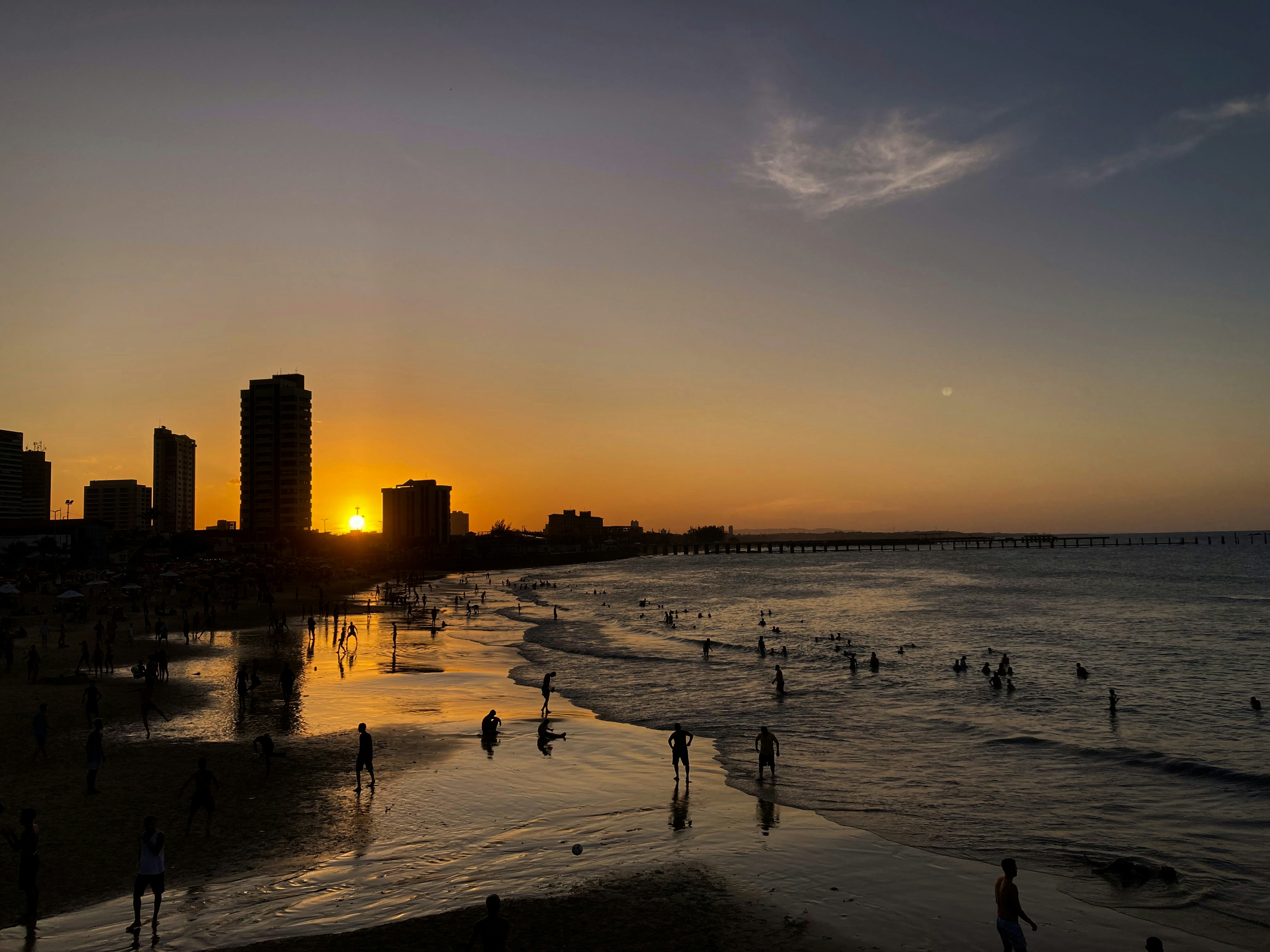
The project pivots on a dual-track strategy of climate resilience and administrative modernization. By January 2028, the city aims to expand protected land from 7,628 to over 10,586 hectares. This environmental push includes planting 250,000 trees in heat-prone districts and securing 237 hectares for social housing, with a mandate to issue 3,000 land titles, prioritizing women in 60% of cases. These efforts are supported by a new Climate Risk Observatory and a comprehensive municipal climate policy.
Financial stability forms the second pillar of the operation. Fortaleza plans to modernize property tax valuations and restructure public service fees, including street lighting, to catalyze private investment. Officials anticipate these reforms will generate R$40 million in private funding and lift the city’s savings ratio from 2.45% to 5%. Debt restructuring is expected to unlock an additional $26 million for public works. Cécile Fruman, World Bank Country Director for Brazil, noted the program serves as a model for northeastern cities aiming to convert policy ambitions into tangible social and economic results.




Comments (0)
No comments yet. Be the first!