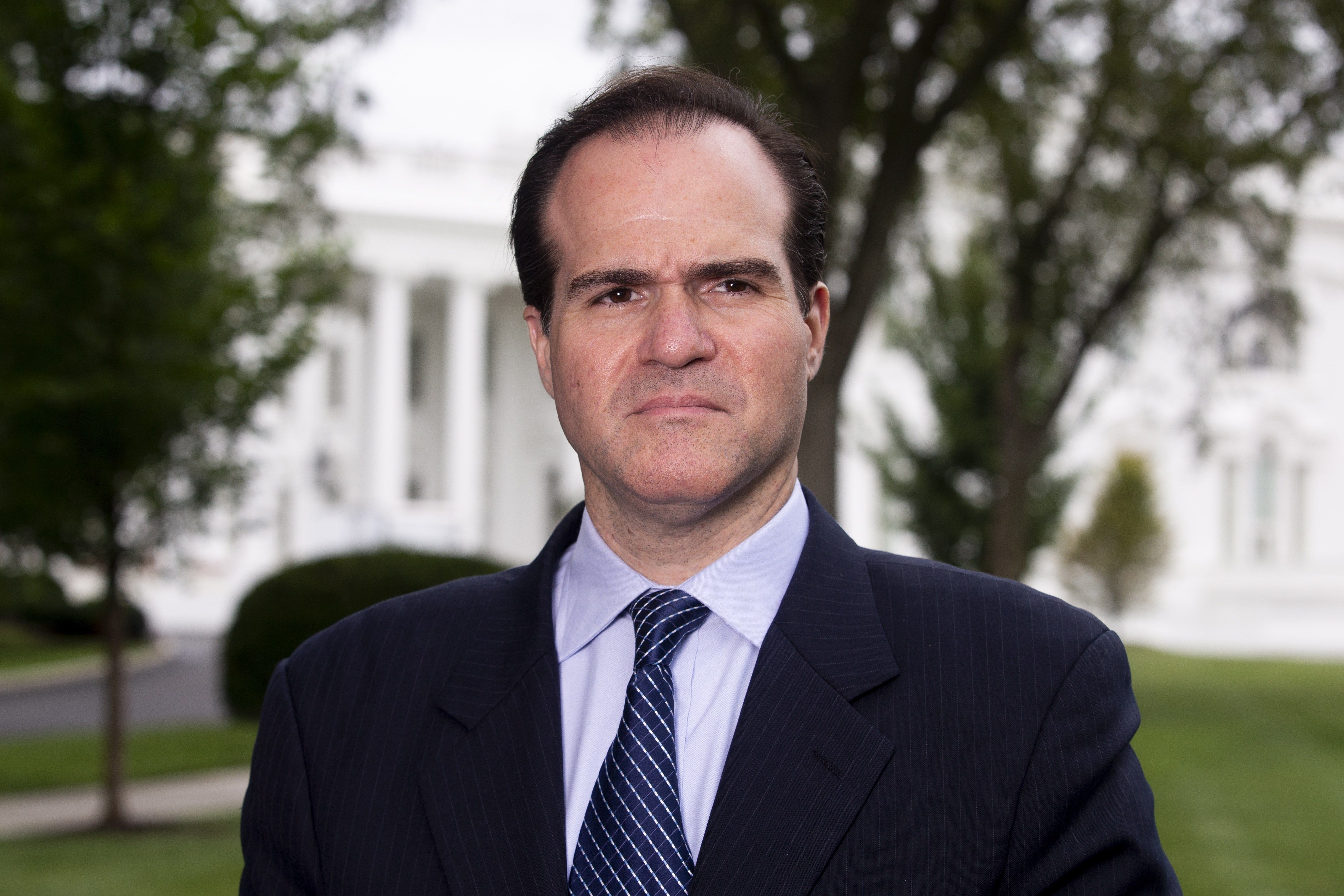
Though he held no formal government title, Claver-Carone became a central architect of the Trump administration’s approach to post-Maduro Venezuela. Reporting directly to Secretary of State Marco Rubio, he wielded significant authority over energy contracts and political negotiations, including the facilitation of talks between the Venezuelan government and opposition leaders. His influence was instrumental in securing a $150 million, no-bid contract for Centerview Partners to manage Venezuela’s debt restructuring.
Claver-Carone characterizes his departure as a voluntary retirement, yet multiple sources close to the administration suggest he was forced out following internal pushback. Critics within the Trump camp, including former envoy Richard Grenell, raised concerns about the optics of a private equity manager overseeing the acquisition of Venezuelan assets by U.S. firms. Questions also emerged regarding his reliance on controversial intermediaries like businessman Alejandro Betancourt to bridge communication with the administration of Delcy Rodriguez.
Despite the shakeup, the U.S. strategy for Venezuela appears largely stable. Caleb Orr, the Assistant Secretary of State for Economic, Energy, and Business Affairs, remains in his post and continues to manage the portfolio. The State Department maintains that Claver-Carone was never formally employed by the government, framing his work as the contributions of an outside expert. Claver-Carone denies any personal financial stake in the region, asserting that his involvement was intended only to ensure the success of President Trump’s policy objectives.


Comments (0)
No comments yet. Be the first!