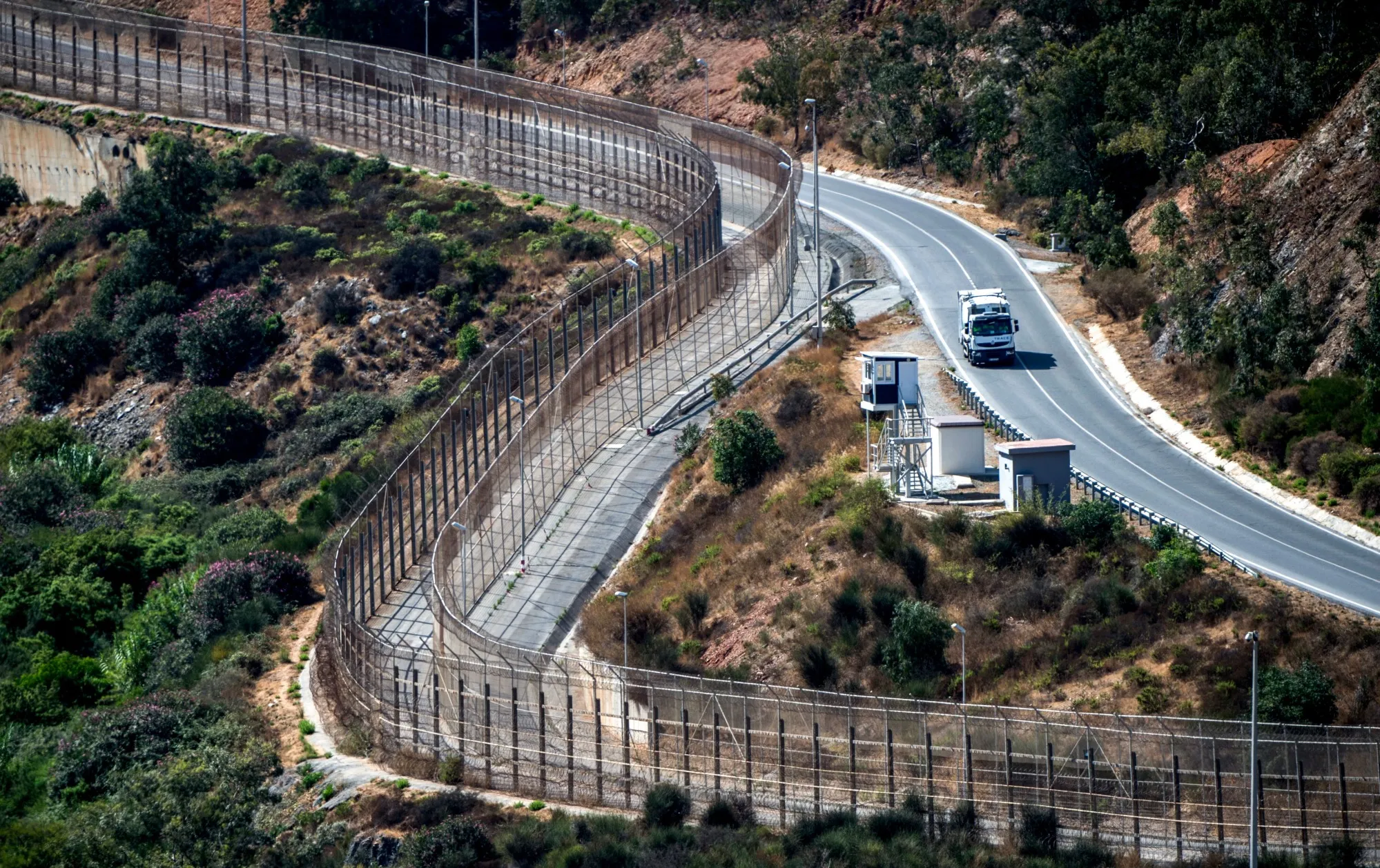
The Spanish government reports that of the estimated 50,000 people who stormed the border since Thursday, approximately 37,500 have already returned to Moroccan territory. Authorities recovered 57 bodies on the Spanish side, citing drowning and crushing injuries sustained against the breakwater and border fences. Prime Minister Pedro Sanchez, who visited the enclave on Friday amidst vocal protests, characterized the event as a violation of territorial sovereignty and pledged to accelerate the repatriation of those who remain.
Moroccan security forces used tear gas, batons, and water cannons to repel the crowds, while Spanish military units reinforced the perimeter. Despite the government's efforts, the scale of the crossing exposed significant gaps in border surveillance. The AUGC police association stated that staffing levels were insufficient to contain the initial surge. Territorial Policy Minister Angel Victor Torres suggested that a recent Supreme Court ruling regarding the treatment of sea-intercepted migrants may have inadvertently influenced the scale of the attempt.
The incident has deepened political fissures within the European Union. France has moved to increase border checks, while Italian Prime Minister Giorgia Meloni threatened to push for the suspension of Spain from the Schengen zone. Italian Foreign Minister Antonio Tajani openly blamed Spain’s recent amnesty program for encouraging human trafficking, a charge that led Madrid to summon the Italian ambassador in protest. Meanwhile, U.S. President Donald Trump cited the chaos as a cautionary tale for his own domestic political agenda.


Comments (0)
No comments yet. Be the first!