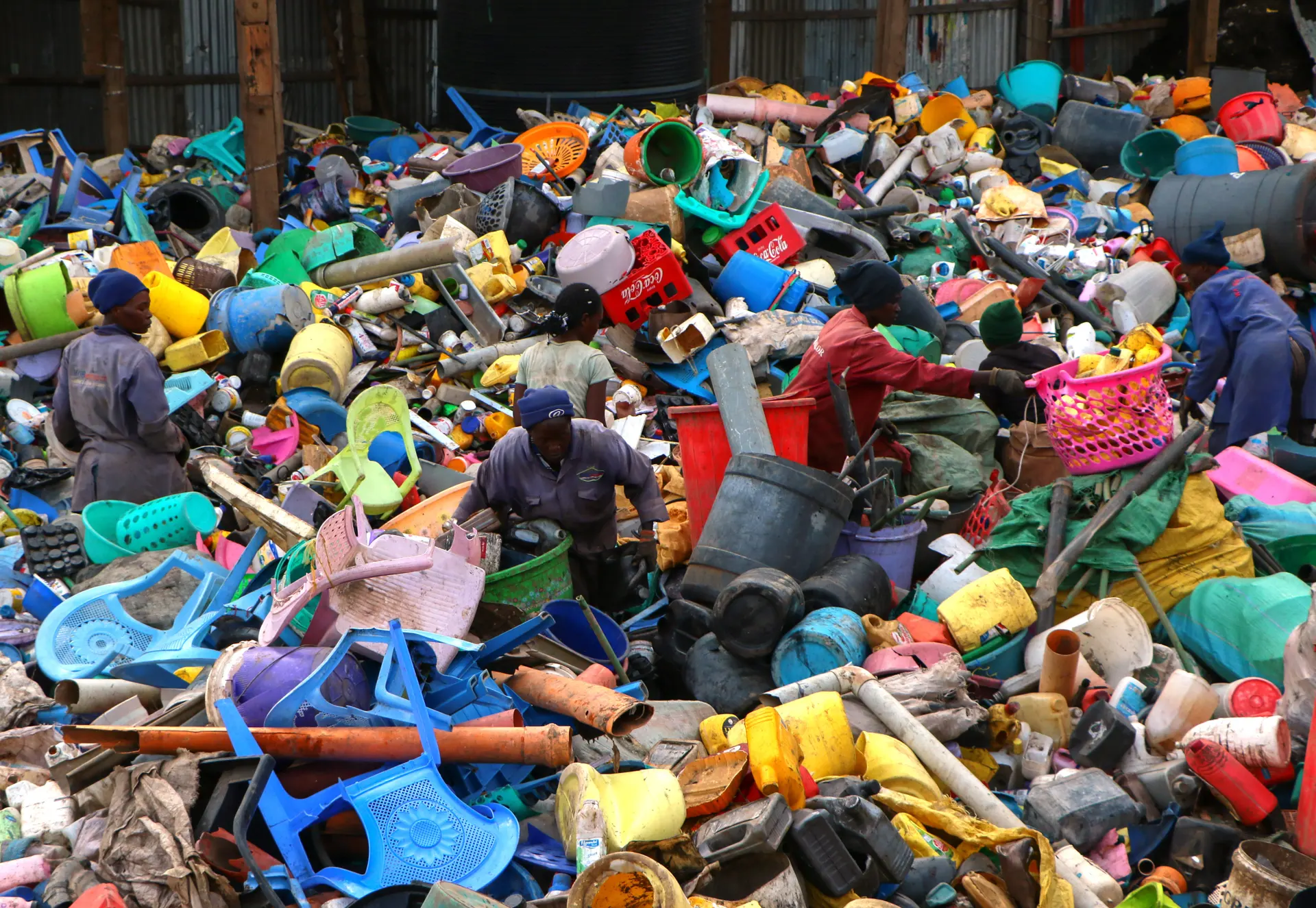
The strategy centers on the African Union’s 2024–2034 Action Plan and the Continental Free Trade Area, which provide the structural backbone for this transition. By prioritizing repair, remanufacturing, and recycling, member states seek to reduce reliance on expensive imports. Anthony Nyong of the African Development Bank argues that retaining natural resources within the continent is the only viable path to genuine industrialization, particularly regarding the processing of critical minerals.
Financial institutions and international bodies, including the International Labour Organization and the UNDP, are now aligning to ensure this transition generates stable employment. The focus remains on harmonizing standards and opening regional markets to allow small, circular-focused enterprises to scale into major industrial players. This unified stance will be carried to upcoming global forums, including COP31 in Turkey and COP32 in Ethiopia, as the Alliance seeks to embed resource efficiency directly into international climate finance frameworks.



Comments (0)
No comments yet. Be the first!