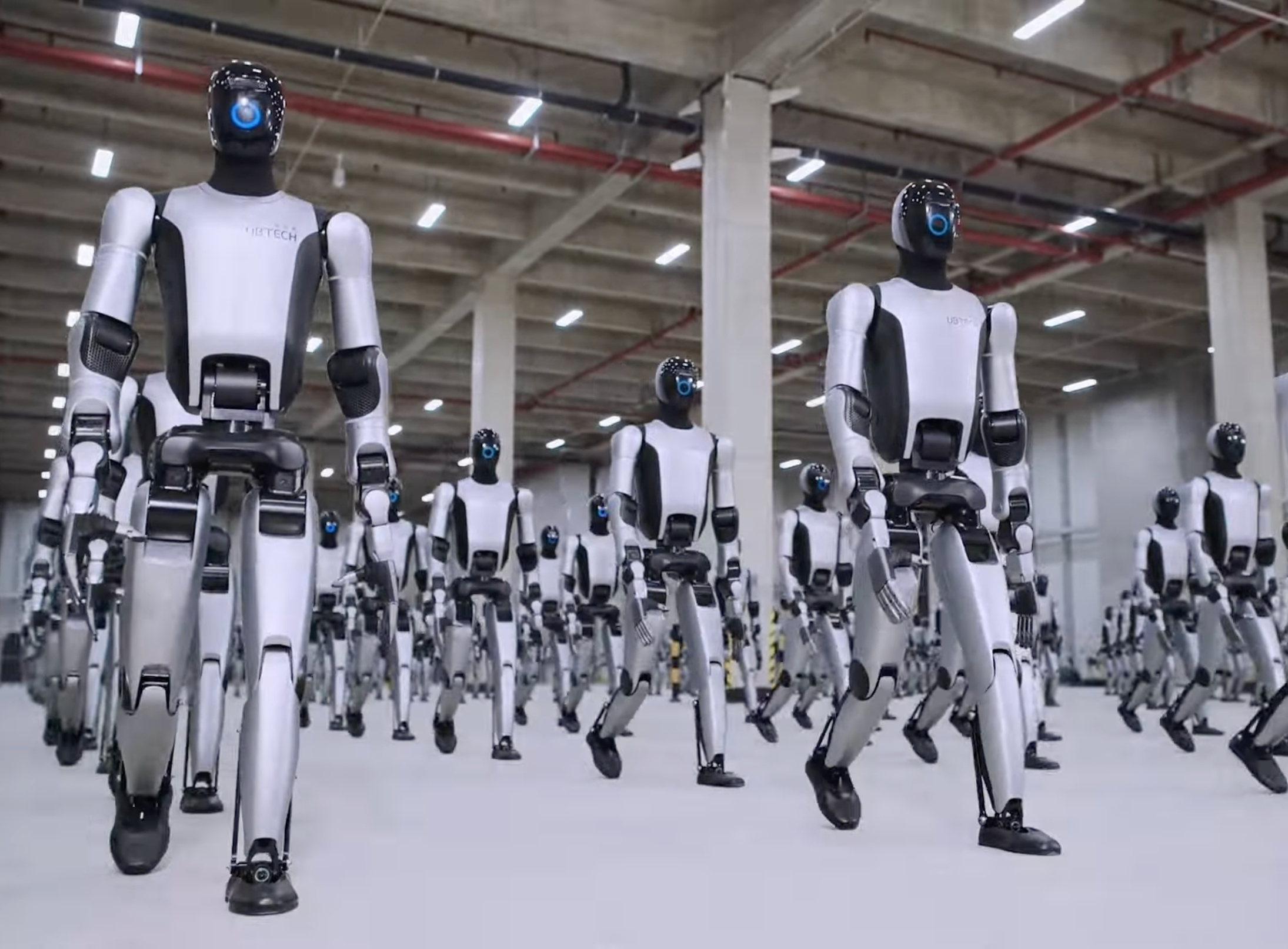
FCC Chairperson Brendan Carr framed the decision as a necessary step to secure critical infrastructure, specifically targeting new iterations of humanoid and quadrupedal robots. The directive also encompasses power inverters—essential components for renewable energy and data centers—though the restrictions do not apply to existing devices or previously approved models. This policy shift arrives alongside ongoing U.S. scrutiny of Chinese artificial intelligence models and follows the Pentagon’s recent designation of major manufacturers like Unitree as entities with alleged military ties.
Beijing responded swiftly, characterizing the move as an aggressive exercise in protectionism. Ministry spokesperson Mao Ning warned that Washington is overextending national security claims to suppress market competition, vowing to defend Chinese business interests. While the ban protects domestic developers from price pressure, industry analysts suggest it will likely have a negligible impact on China’s long-term technological trajectory. With Chinese firms like Unitree and AGIBOT significantly outpacing U.S. rivals Tesla and Figure AI in shipment volume, the policy introduces fresh friction into collaborations, such as Nvidia’s recent use of Chinese chassis designs in its own robotics development.



Comments (0)
No comments yet. Be the first!