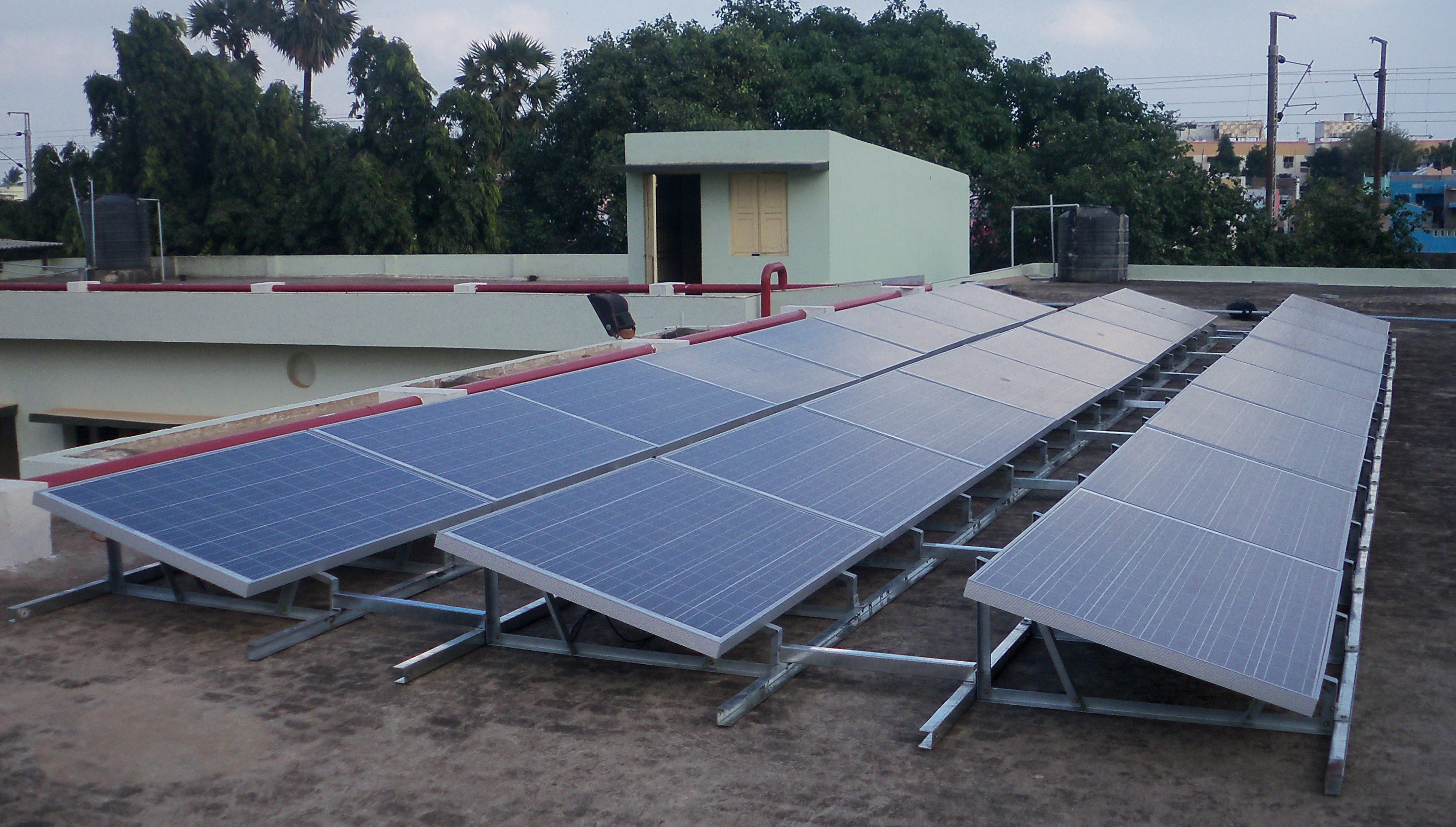
This funding targets the installation of solar systems for at least 3.5 million households, focusing on reducing upfront costs and streamlining the approval process through digital platforms. By involving electricity distribution companies and private sector partners, the program seeks to shield residents from volatile energy prices while building a more resilient, decentralized power grid.
Beyond hardware, the initiative emphasizes workforce development and industrial growth. ADB plans to certify 6,000 workers, with a mandate that at least one-third of trainees be women. The project also prioritizes the development of model solar villages and sets standards for solar panel recycling and battery waste management. According to ADB Country Director for India Mio Oka, the program serves a dual purpose: expanding energy access for lower-income families and strengthening the domestic manufacturing ecosystem. With an expected reduction of 28.8 million tonnes of carbon dioxide emissions, the investment represents a significant shift in India’s strategy to meet its climate targets through localized, residential-scale infrastructure.



Comments (0)
No comments yet. Be the first!