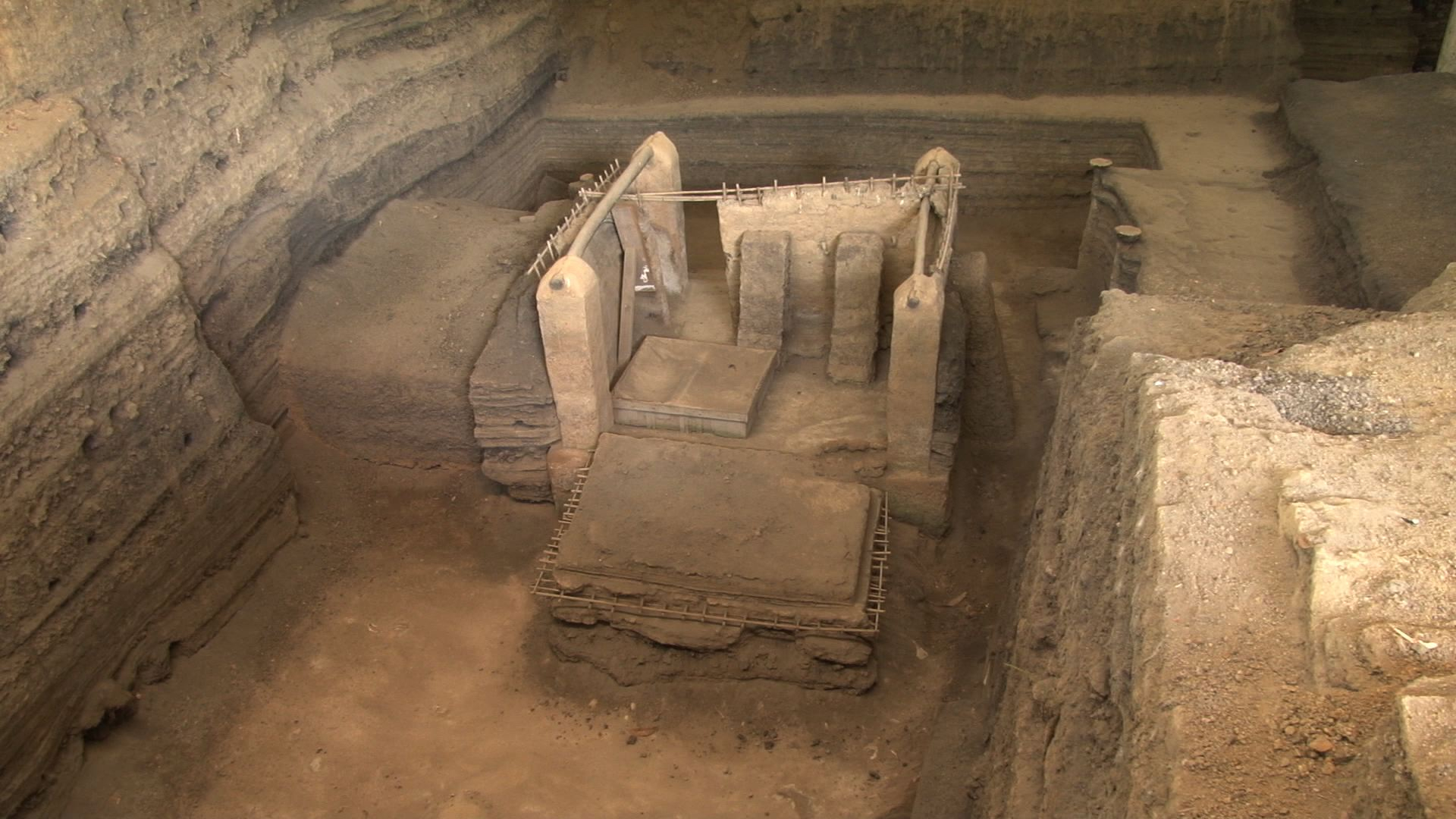
Led by Yale doctoral candidate Carlos Flores Manzano and the National Directorate of Culture, the excavation team discovered the remains face down, encased in layers of volcanic ash that also preserved ancient cassava branches. This specific positioning and the inclusion of the Usulutan-style pottery suggest cultural parallels to the Chalchuapa site, where researchers previously identified remains showing signs of ritualized burial practices.
Experts are currently conducting radiocarbon dating and DNA analysis to confirm the precise age of the skull and determine the individual's biological identity. By comparing these findings with the 33 skeletons unearthed at Chalchuapa in the 1970s, the Ministry of Culture aims to reconstruct the migration and social habits of the populations inhabiting the region over 2,000 years ago.



Comments (0)
No comments yet. Be the first!