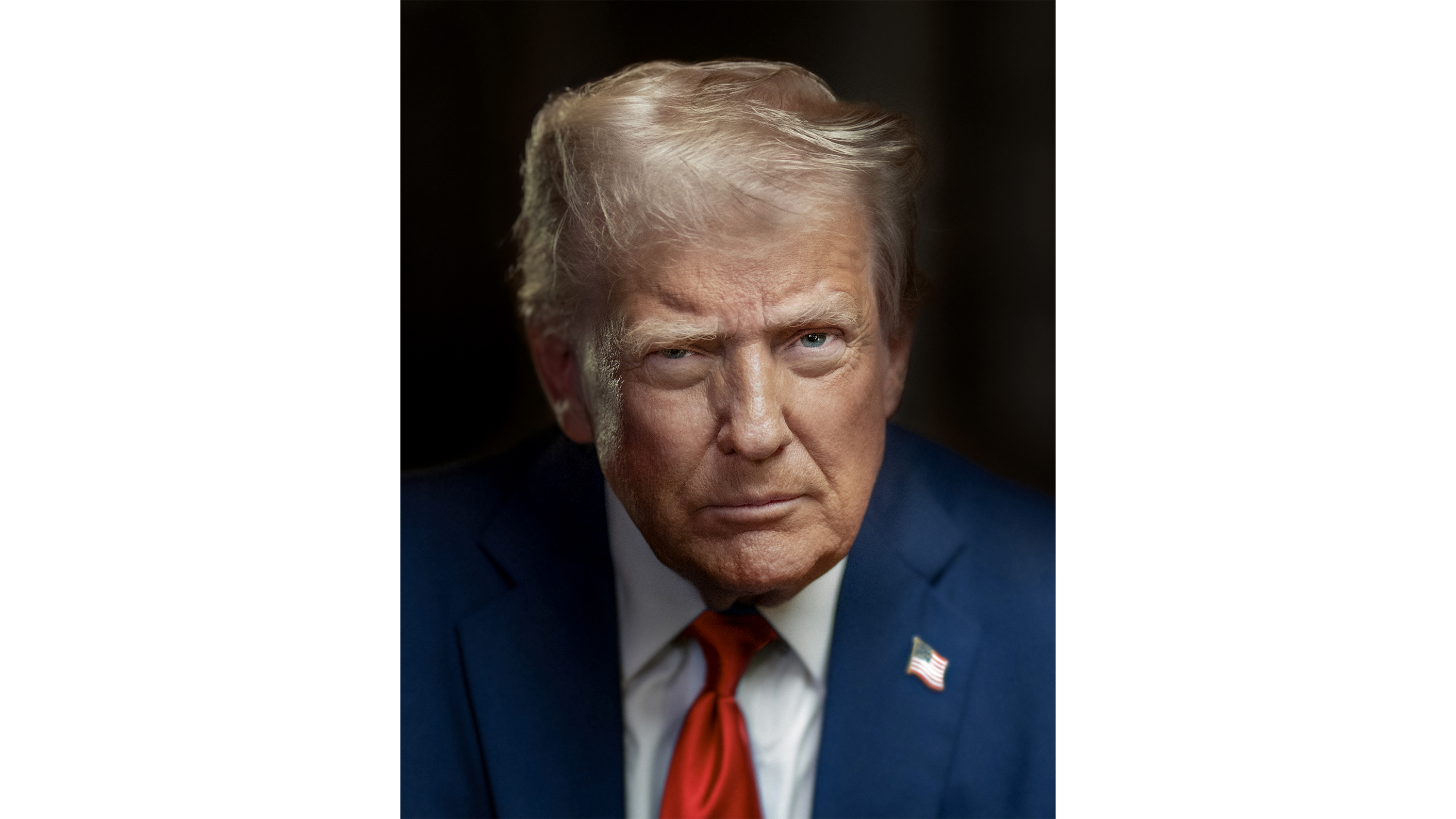
Finalized in October 2025, the framework for US-Saudi civil nuclear cooperation seeks to export American technology to the kingdom. Energy Secretary Chris Wright defended the initiative as a way to deepen bilateral ties while maintaining a commitment to nonproliferation. However, the proposal reportedly omits some of the most stringent international safeguards typically required for such high-stakes atomic transfers.
Critics argue that the current geopolitical climate makes the agreement dangerously premature. Nuclear expert Andrea Stricker warns that granting Saudi Arabia the capacity to enrich uranium on its own soil creates a long-term security hazard. Even if the US maintains initial control, there is no assurance that future Saudi leadership will adhere to these restrictions, potentially forcing a future American president to choose between military intervention or the emergence of a new nuclear-armed state. While the 123 Agreement serves as a legal prerequisite rather than an immediate delivery of equipment, it sets a precedent that many lawmakers remain unwilling to accept.



Comments (0)
No comments yet. Be the first!